Types of Necklace Chains: Key Specifications

application/types-of-necklace-chains, application/types-of-necklace-chains, 
Inquiry
Inquiry

types of necklace chains

When it comes to sourcing necklace chains for jewelry manufacturing, understanding the different types available is crucial for purchasing managers and distributors. The variety of necklace chains can significantly impact the overall design, functionality, and marketability of the final product. This article delves into the various types of necklace chains, highlighting key specifications to consider, durability factors, proper usage, common issues, and cost considerations. By the end, you'll have a clearer understanding of how to select the right necklace chain for your projects.

What Makes a Durable Necklace Chain?

What Makes a Durable Necklace Chain?

Durability is a key consideration for buyers in the jewelry sector, as consumers expect products to withstand everyday wear. Here are some aspects that contribute to the durability of necklace chains:

Material Quality: Higher-quality metals generally offer greater strength and resistance to wear. For instance, stainless steel chains resist corrosion and scratching better than lower-quality alternatives. Buyers should prioritize materials that align with their durability expectations.

Construction Techniques: Chains that are meticulously crafted, with attention to detail in the link connections, tend to be more durable. For example, chains that are soldered or welded at the joints will be less prone to breaking compared to those simply twisted together.

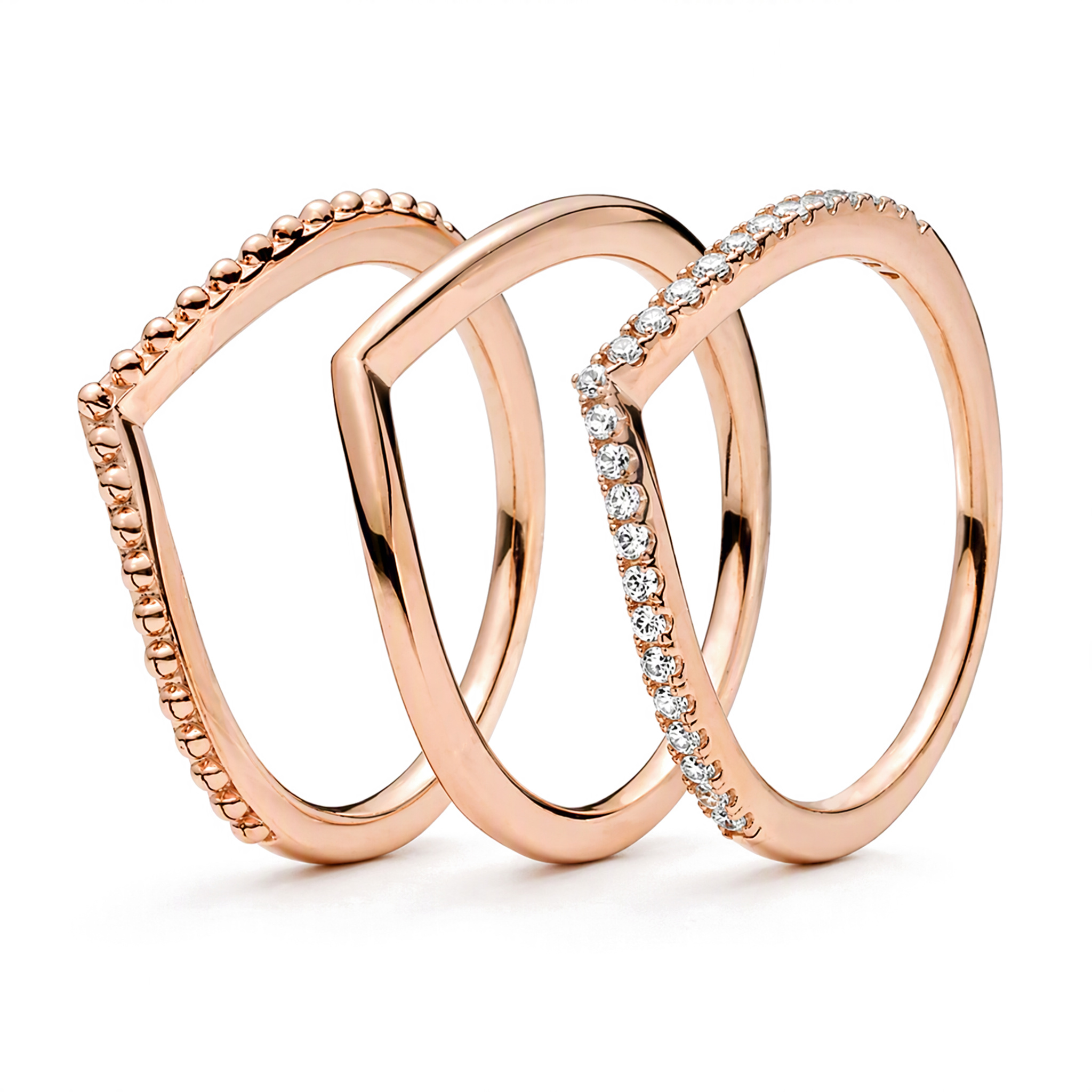
Weight and Gauge: Heavier chains, while potentially more expensive, can often handle more stress without deforming. It’s advisable to assess the weight of the chain in relation to its intended use, especially if it will support heavy pendants. Consider the Silver Band Rings 925 Custom Sunflower Bezel CZ OEM for a durable choice.

Care Instructions: Providing customers with proper care instructions can extend the life of the necklace chain. Information about avoiding exposure to harsh chemicals, storing the chain appropriately, and cleaning methods can enhance customer satisfaction.

Ensuring Proper Use

Ensuring Proper Use

To maximize the longevity and aesthetic appeal of necklace chains, proper use is essential. Here are some best practices:

Avoiding Excessive Pulling: Chains should not be subjected to excessive force or pulling, especially if they are supporting pendants. This can lead to unintentional breakage.

Proper Storage: Chains should be stored in a dry place, ideally in a soft pouch or separated from other jewelry to prevent scratches and tangles.

Regular Inspection: Buyers should encourage customers to regularly inspect their chains for any signs of wear, such as loose links or tarnishing. Early detection of potential issues can prevent more significant problems down the line.

Common Problems with Necklace Chains and Their Solutions

Common Problems with Necklace Chains and Their Solutions

Even high-quality necklace chains can encounter issues. Here are some common problems along with their solutions:

Tarnishing: Over time, certain metals may tarnish, particularly if exposed to moisture or chemicals. Using anti-tarnish solutions or coatings can help, as can educating customers on proper care to minimize exposure.

Broken Links: Chains can break if subjected to too much stress or if the links are of lower quality. Regular inspections can help identify weak points, and offering repair services or replacement options can enhance customer loyalty.

Clasp Failures: The clasp is often the weakest point of a necklace chain. Buyers should consider chains with high-quality clasps, such as lobster claws or spring rings, and educate end-users on how to securely fasten them.

Tangles and Knots: Chains can become tangled, especially when stored improperly. Suggesting specific storage methods or providing packaging that helps minimize tangling can improve the user experience.

Cost and Value for Distributors

Understanding the cost structure associated with necklace chains is vital for distributors and purchasing managers. Here are some factors that can influence pricing:

Material Costs: The choice of metal significantly impacts the cost. Precious metals like gold and silver will naturally be more expensive than base metals like stainless steel or brass.

Customization Requirements: Custom designs, lengths, or finishes typically incur additional costs. Buyers should communicate specific customization needs early in discussions to receive accurate quotations.

Order Volume: Many manufacturers, including Shenzhen Beyaly Jewelry Manufacture Co., Ltd., often have minimum order quantities (MOQs). Larger orders may lead to reduced per-unit costs, making it worthwhile for distributors to consolidate purchases.

Quality Assurance Measures: Investing in quality control can save costs in the long run. Ensure that the supplier has robust quality assurance processes in place to minimize defects and returns.

By considering these factors, distributors can make informed decisions that balance cost with quality, ultimately leading to better product offerings and customer satisfaction.

Key Specifications to Consider When Sourcing Necklace Chains

When sourcing necklace chains, several specifications play a crucial role in ensuring that suppliers meet your quality and design expectations. Here are the primary factors to consider:

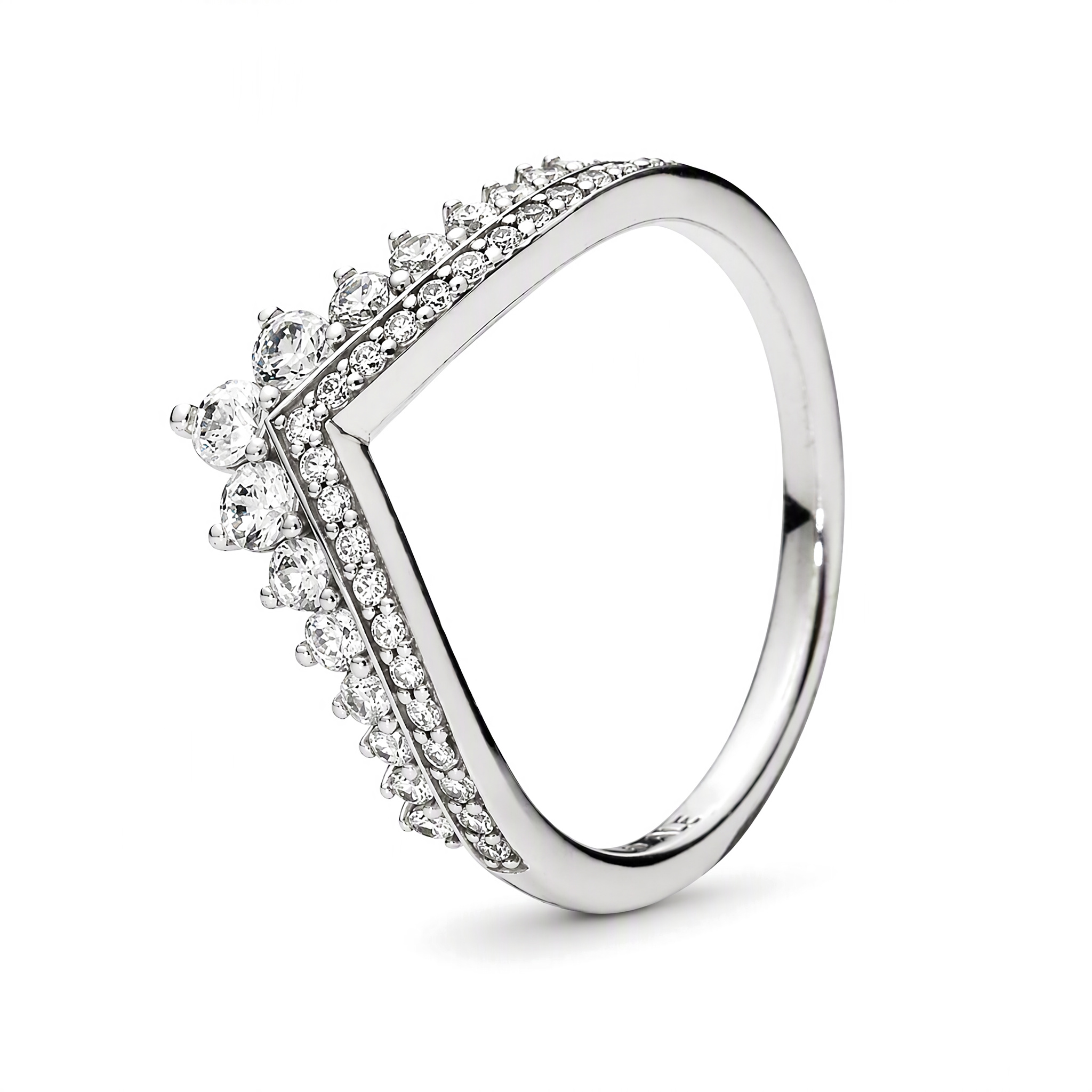
Material Composition: Necklace chains are typically made from metals such as stainless steel, gold, silver, or brass. The choice of material affects not only the aesthetic appeal but also the durability and weight of the chain. Stainless steel is popular for its resistance to tarnish and corrosion, while gold and silver provide a more luxurious appearance. Consider options like Custom Gemstone Rings 925 Silver Radiant Star Yellow OEM for unique designs.

Link Structure: The type of link—whether it's a cable, curb, box, or snake chain—determines the style and flexibility. For example, snake chains offer a smooth and elegant drape, while curb chains provide a more robust and sturdy look. It’s essential to choose a link structure that aligns with the intended design and functionality.

Thickness and Width: The gauge of the chain affects its strength and appearance. Thicker chains can support heavier pendants, while thinner options may be more suitable for delicate designs. Buyers should confirm specifications based on the intended use and customer preferences.

Finish and Coating: The finish can vary from polished to matte, and coatings such as gold plating or rhodium can enhance appearance and reduce tarnishing. Discussing these options during the sourcing process can lead to improved product appeal.

Length Options: Necklace chains come in various lengths, often ranging from 16 inches to 30 inches or more. Custom lengths may also be available, so it's important to communicate specific requirements to the supplier.

Get a Free Quote

Our representative will contact you soon.
0/1000