Different Types of Chains for Jewelry Sourcing

application/different-types-of-chains, application/different-types-of-chains, 
Inquiry
Inquiry

different types of chains

Understanding different types of chains is essential for purchasing managers, distributors, and engineers in the manufacturing and jewelry sectors. Chains are not just decorative elements; they are crucial components that can influence the functionality and aesthetics of finished products. Buyers often face concerns regarding quality, material selection, and application suitability. This article will guide you through the various types of chains, helping you make informed decisions that align with your project specifications.

How to Choose the Right Chain Type for Your Project Specifications

How to Choose the Right Chain Type for Your Project Specifications

When selecting a chain, several specifications need to be considered, including material, thickness, and design. Buyers should prioritize the following factors:

Material Selection: The choice of metal affects not only the chain’s appearance but also its durability and resistance to tarnishing. Common materials include stainless steel for strength, gold for luxury, and sterling silver for a balance of quality and cost.

Thickness and Strength: The thickness of the chain links can impact its load-bearing capacity. A thicker chain is more robust and suitable for heavier pendants, while a finer chain can be more appropriate for lightweight designs.

Design Compatibility: The chain should complement the overall aesthetic of the jewelry piece. For instance, a delicate chain may enhance a minimalist pendant, while a bold chain can serve as a statement piece in itself.

Buyers should thoroughly evaluate these specifications through samples, ensuring that the chosen chain meets both aesthetic and functional requirements.

Key Quality Factors When Sourcing Chains from Reliable Suppliers

Key Quality Factors When Sourcing Chains from Reliable Suppliers

Quality control is crucial when sourcing chains, especially for mass production. Here are some key quality factors to consider:

Material Certification: Ensure that the supplier provides documentation verifying the quality of the materials used. This is essential for maintaining product integrity and compliance with industry standards.

Workmanship: Inspect the manufacturing process. High-quality chains should exhibit consistent link formation without any sharp edges or defects that could compromise strength or aesthetics.

Finishing Processes: The surface treatment can affect both appearance and durability. For example, plating can enhance the visual appeal and resistance to tarnishing but must be done uniformly to prevent peeling or discoloration.

Inspection Protocols: A reliable supplier should have established quality control processes, including random sampling and testing of finished products. This ensures that any defects are identified and addressed before shipment.

By focusing on these quality factors, buyers can mitigate risks associated with poor-quality chains and ensure a satisfactory end product.

Evaluating Chain Specifications for Optimal Performance and Cos

Evaluating Chain Specifications for Optimal Performance and Cos

To optimize both performance and cost when sourcing chains, buyers should assess the following specifications:

Load Capacity: Confirm the chain's load capacity based on the intended application. For instance, chains used in heavier jewelry pieces should have higher tensile strength to avoid breakage.

Length and Weight: The required length of the chain should align with the design specifications, and its weight should be considered for comfort and wearability in jewelry applications.

Cost Considerations: While exploring different chain options, compare unit costs across various suppliers. However, keep in mind that the cheapest option may not always provide the best quality. It’s essential to balance cost with factors such as material quality, durability, and supplier reliability.

By evaluating these specifications, buyers can ensure that they select chains that meet their performance needs while also aligning with their budgetary constraints.

Understanding Chain Applications Across Various Industries and Uses

Chains serve various applications across different industries, each requiring specific characteristics to meet unique demands. Here are some key applications:

Jewelry Manufacturing: Chains in jewelry must balance aesthetics, durability, and comfort. Depending on the design, a mix of materials and styles may be required to cater to consumer preferences.

Industrial Applications: In manufacturing and construction, chains are often used in machinery and equipment. These chains need to withstand heavy loads and harsh conditions, requiring specific materials and structural designs.

Fashion Accessories: Chains are also used in handbags, belts, and other fashion items. Here, the focus is often on style and trend alignment, with materials chosen for their cosmetic appeal.

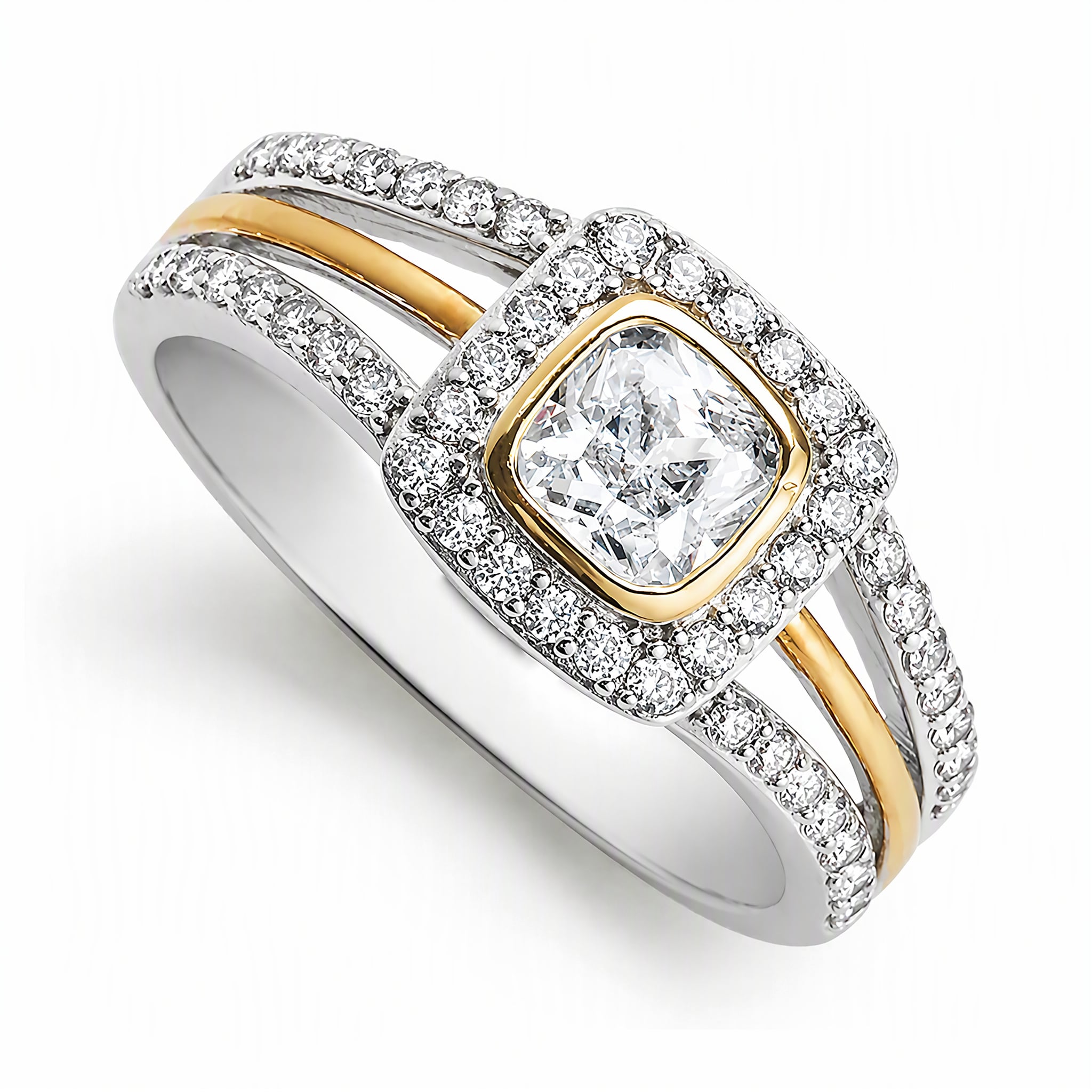
Understanding these applications helps buyers tailor their sourcing strategies to meet industry-specific requirements, ensuring that the chains they select are fit for purpose. Additionally, incorporating designs like Custom Gemstone Rings 925 Silver Radiant Star Yellow OEM can enhance the overall appeal of the final product.

Navigating the different types of chains and their specifications is crucial for successful sourcing in the jewelry and manufacturing industries. By considering factors such as material, design compatibility, and quality control, buyers can make informed decisions that enhance their product offerings and meet market demands.

Understanding Different Types of Chains for Your Wholesale Needs

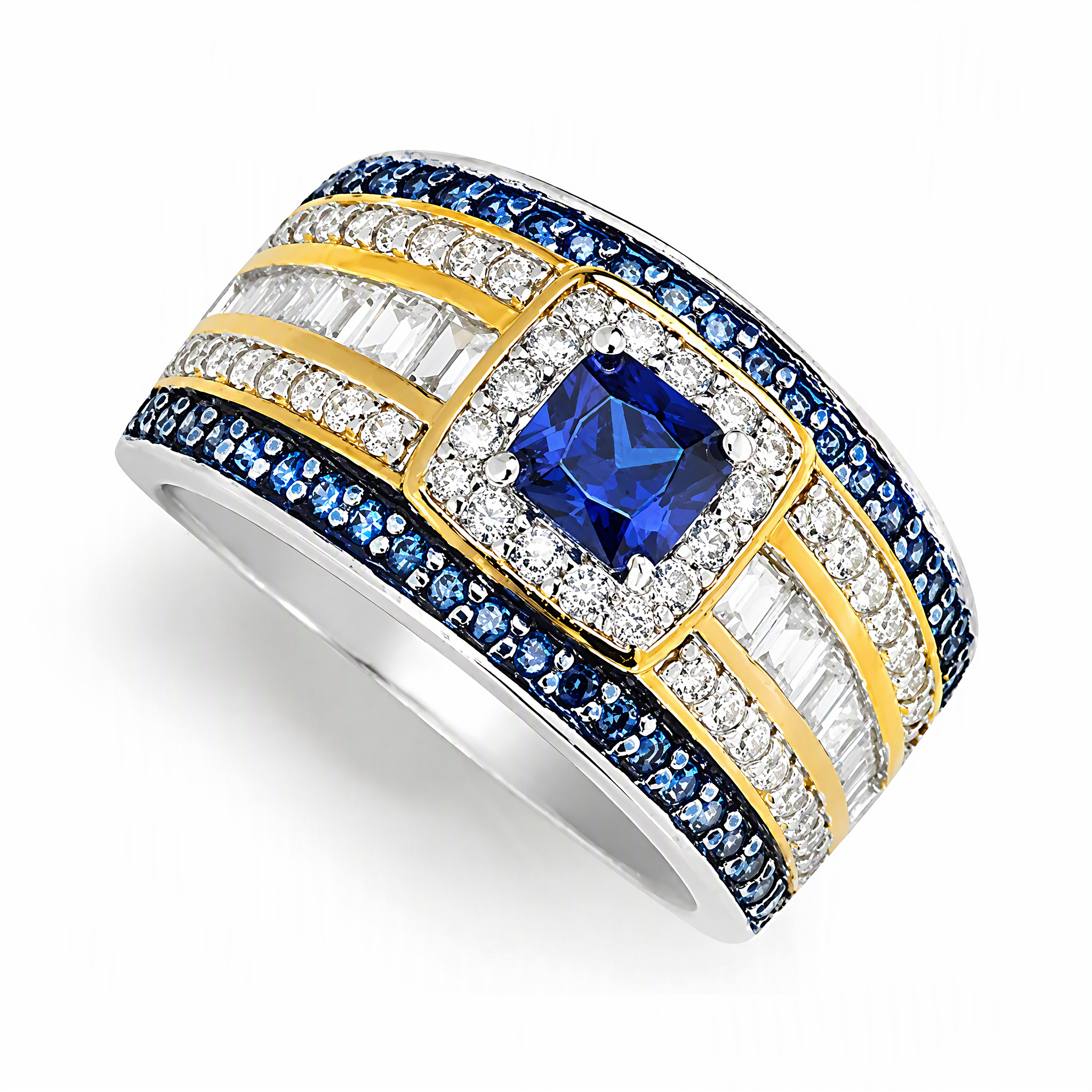
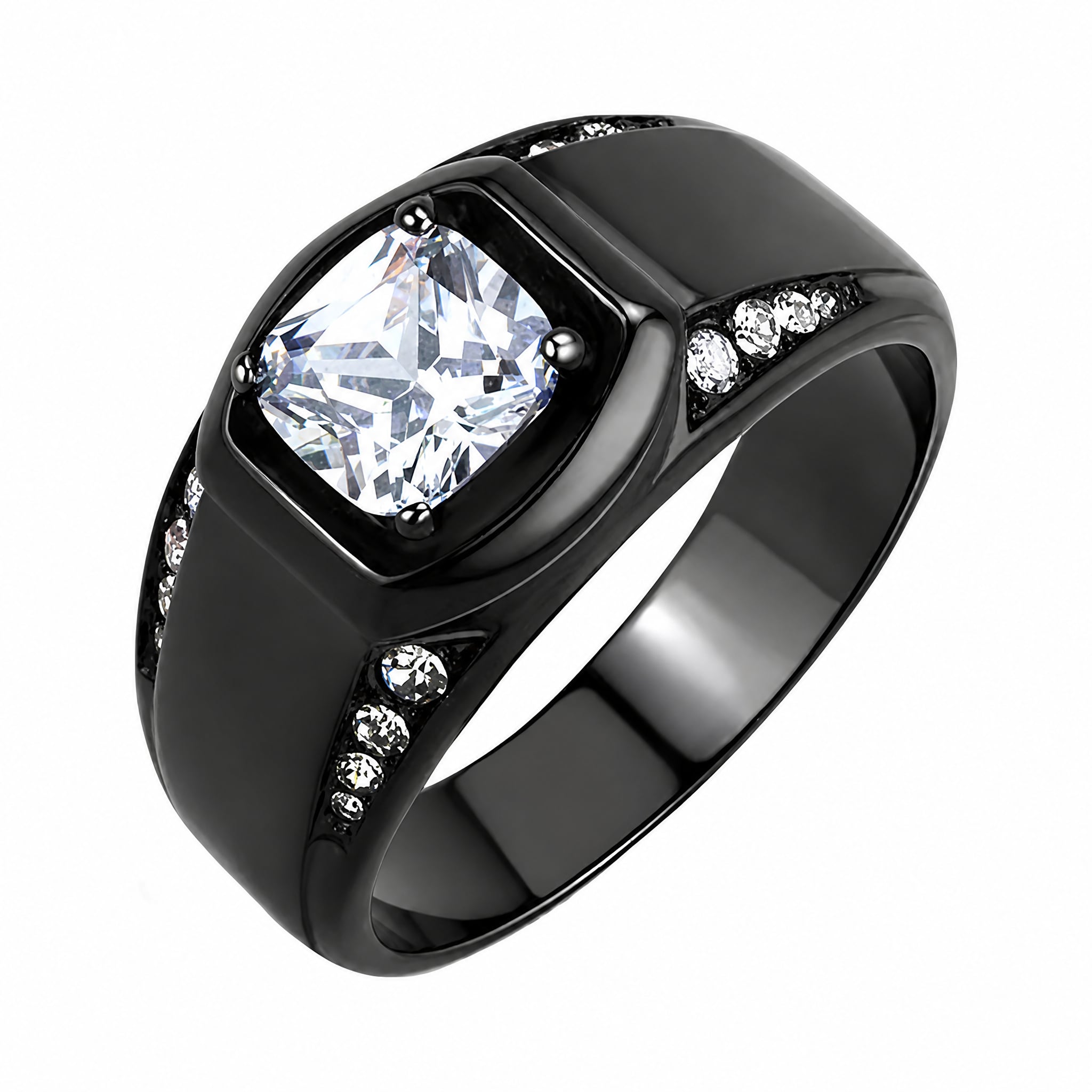
Chains come in various types, each designed for specific applications, materials, and aesthetics. In the jewelry industry, chains primarily fall into categories such as link chains, cable chains, and rope chains, among others. Men Signet Rings 925 Silver Black CZ Cabochon OEM Band are often paired with these chains for a classic look.

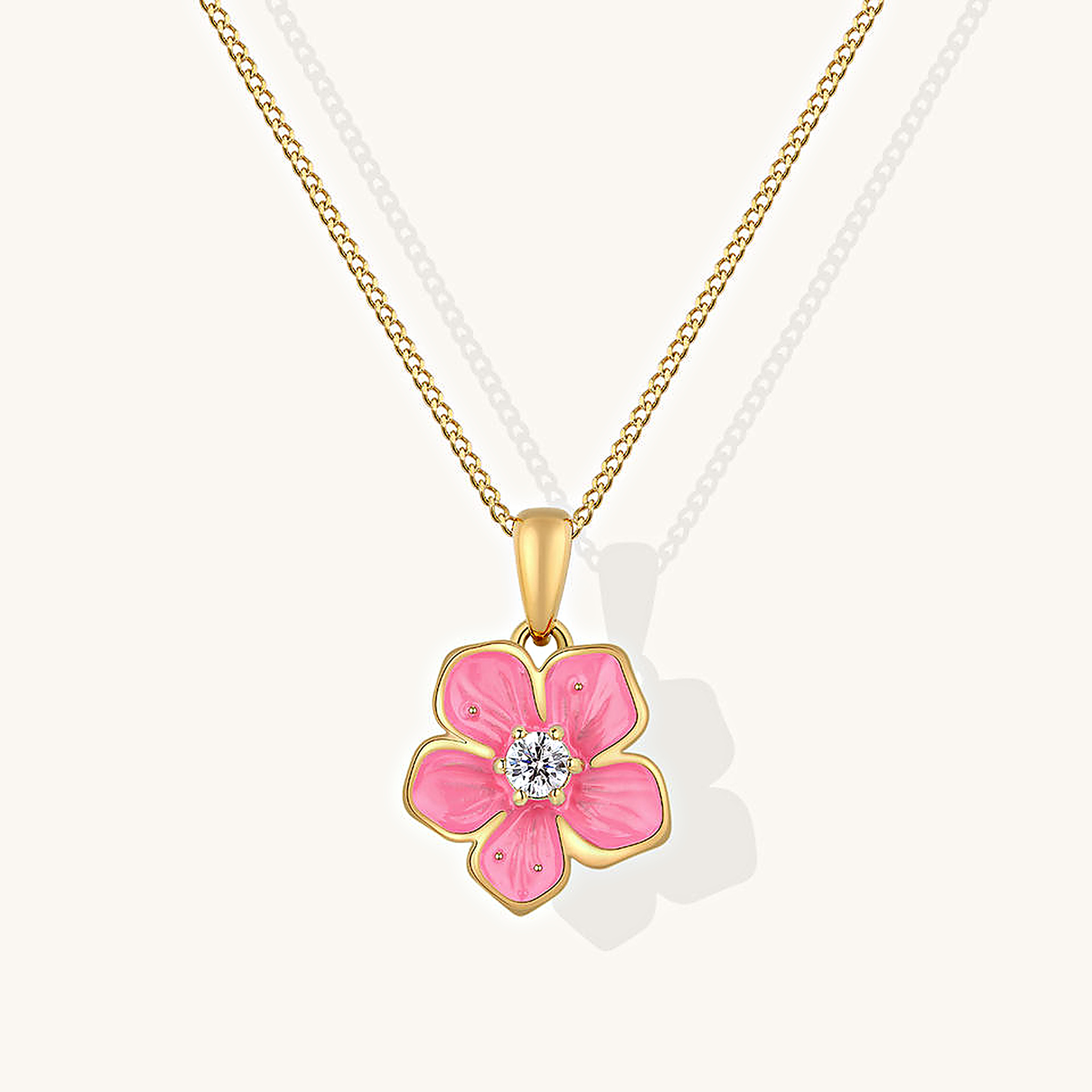
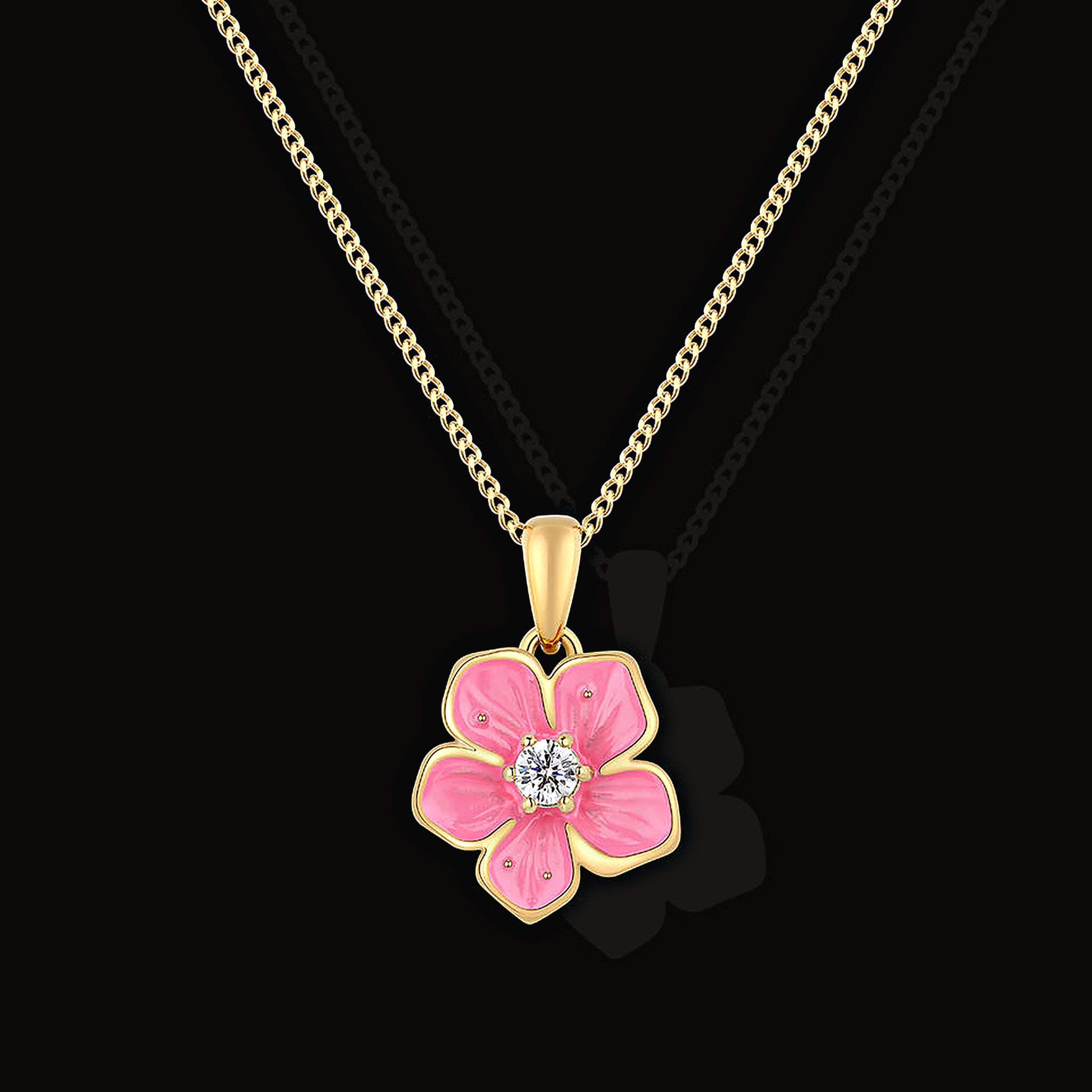
Link Chains: These chains consist of individual links connected together, providing flexibility and strength. They are ideal for pendants and can be made from various metals, including stainless steel, gold, or silver.

Cable Chains: Characterized by their uniform round links, cable chains offer a sleek and modern appearance. They are often used in necklaces and bracelets, providing durability without sacrificing style.

Rope Chains: These chains feature twisted links that resemble a rope, giving them a unique texture and shine. Rope chains are popular in both casual and formal jewelry, adding an elegant touch to any design. Silver Band Rings 925 Custom Sunflower Bezel CZ OEM can complement these chains beautifully.

Understanding these variations helps buyers select the most suitable chain type for their specific jewelry designs and market trends.

Get a Free Quote

Our representative will contact you soon.
0/1000