Key Factors in Sourcing 316L Stainless Steel Jewelry

application/316l-stainless-steel-jewelry, application/316l-stainless-steel-jewelry, 
Inquiry
Inquiry

316l stainless steel jewelry

316L stainless steel jewelry is a popular choice in the B2B sector for its durability, aesthetic appeal, and resistance to corrosion. This article will explore key considerations for sourcing 316L stainless steel jewelry, including wholesale buying guidance, cost factors, and installation tips. Understanding these aspects will help purchasing managers, distributors, and product managers make informed decisions about their jewelry selections.

How to Evaluate the Quality of 316L Stainless Steel Jewelry Products

How to Evaluate the Quality of 316L Stainless Steel Jewelry Products

When purchasing 316L stainless steel jewelry wholesale, it’s essential to establish a systematic approach. Start by identifying your target market and the specific types of jewelry that align with consumer preferences. This may include rings, bracelets, earrings, or pendants, each requiring different designs and specifications.

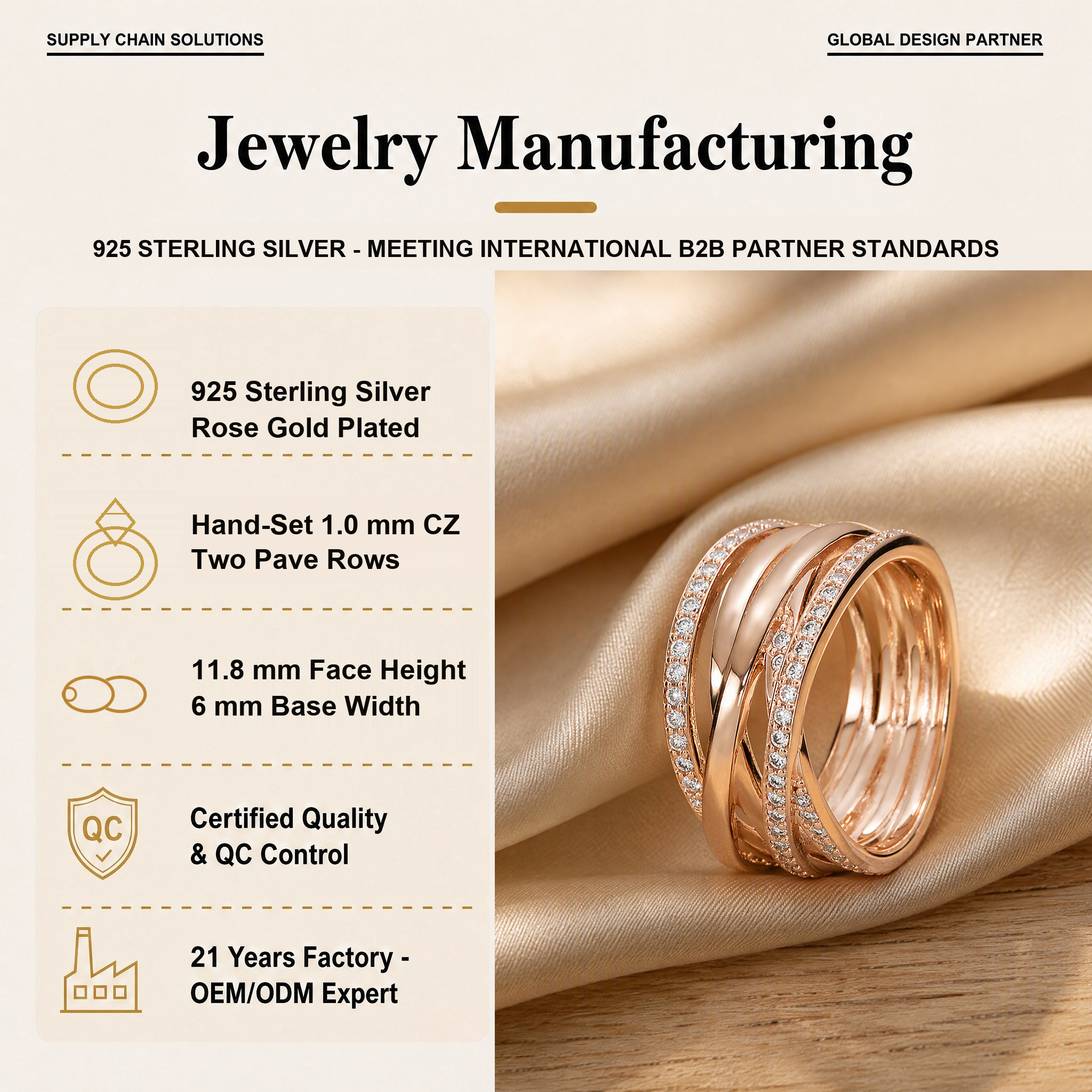
Next, create a list of potential suppliers. Look for manufacturers like Shenzhen Beyaly Jewelry Manufacture Co., Ltd., which specialize in 316L stainless steel jewelry and offer both OEM and ODM services. Evaluate each supplier based on their production capabilities, lead times, and previous customer feedback.

Once you have narrowed down your options, prepare a detailed request for quotation (RFQ) that includes:

Product types and specifications (dimensions, finishes, etc.)
Quantity required
Delivery timelines
Customization requirements
Packaging preferences

Review the quotations carefully, considering not only the price but also the quality of materials, production processes, and warranty or return policies. Establishing a solid relationship with your supplier can lead to better pricing and improved service in the long run.

Cost vs. Quality Factors

Cost vs. Quality Factors

Understanding the cost factors associated with bulk orders of 316L stainless steel jewelry is essential for effective budgeting. Key cost components include:

Material Costs: The price of 316L stainless steel can fluctuate based on global market conditions. Ensure you are aware of current pricing trends and negotiate accordingly with suppliers.

Manufacturing Costs: This encompasses labor, overhead, and equipment usage. Suppliers with advanced facilities and skilled craftsmanship may offer better quality but at a higher cost. Assess the trade-off between price and quality.

Customization Fees: If you require customized designs, additional charges may apply. This could include mold creation, unique finishes, or special packaging.

Shipping and Handling: Consider the logistics of transporting bulk orders. Shipping costs can vary significantly based on destination, order size, and shipping method. Ensure you factor these into your overall budget.

Minimum Order Quantities (MOQ): Many suppliers set MOQs, which can impact your initial investment. Clarify these requirements with potential suppliers to align your purchasing strategy with your budget.

By taking these cost factors into account, you can develop a comprehensive financial plan that supports your sourcing strategy for 316L stainless steel jewelry.

Installation Guidance for 316L Stainless Steel Jewelry in Various Applications

Installation Guidance for 316L Stainless Steel Jewelry in Various Applications

While jewelry installation is often straightforward, certain tips can enhance the overall experience for both your business and your customers. Start by ensuring that the jewelry designs are user-friendly. This includes considering how pieces will fit together and how easy they are to wear.

For example, if you're dealing with bracelets or necklaces, make sure clasps are easy to operate while still providing a secure hold. It can be beneficial to supply clear instructions or demonstration videos for complex designs, especially if they incorporate new technologies or unique features.

Additionally, consider the packaging for installation. High-quality packaging not only protects the jewelry during shipping but also enhances the unboxing experience for the end customer. This can include protective pouches, informational inserts, or branded boxes that reflect your company’s identity.

Finally, be responsive to customer feedback regarding installation experiences. This information can provide valuable insights into design improvements or customer preferences, ultimately guiding future product development.

Common Problems with 316L Stainless Steel Jewelry and Their Solutions

Selecting the right 316L stainless steel jewelry involves understanding both your brand's identity and your customers' preferences. Start by defining the style and aesthetic that aligns with your target market. Consider whether contemporary designs, classic styles, or personalized options are more appealing to your audience.

Next, evaluate the practical needs of your customers. For example, if your target market consists of individuals with sensitive skin, the hypoallergenic properties of 316L stainless steel will be a significant selling point. Highlight this feature in your marketing materials to attract potential buyers.

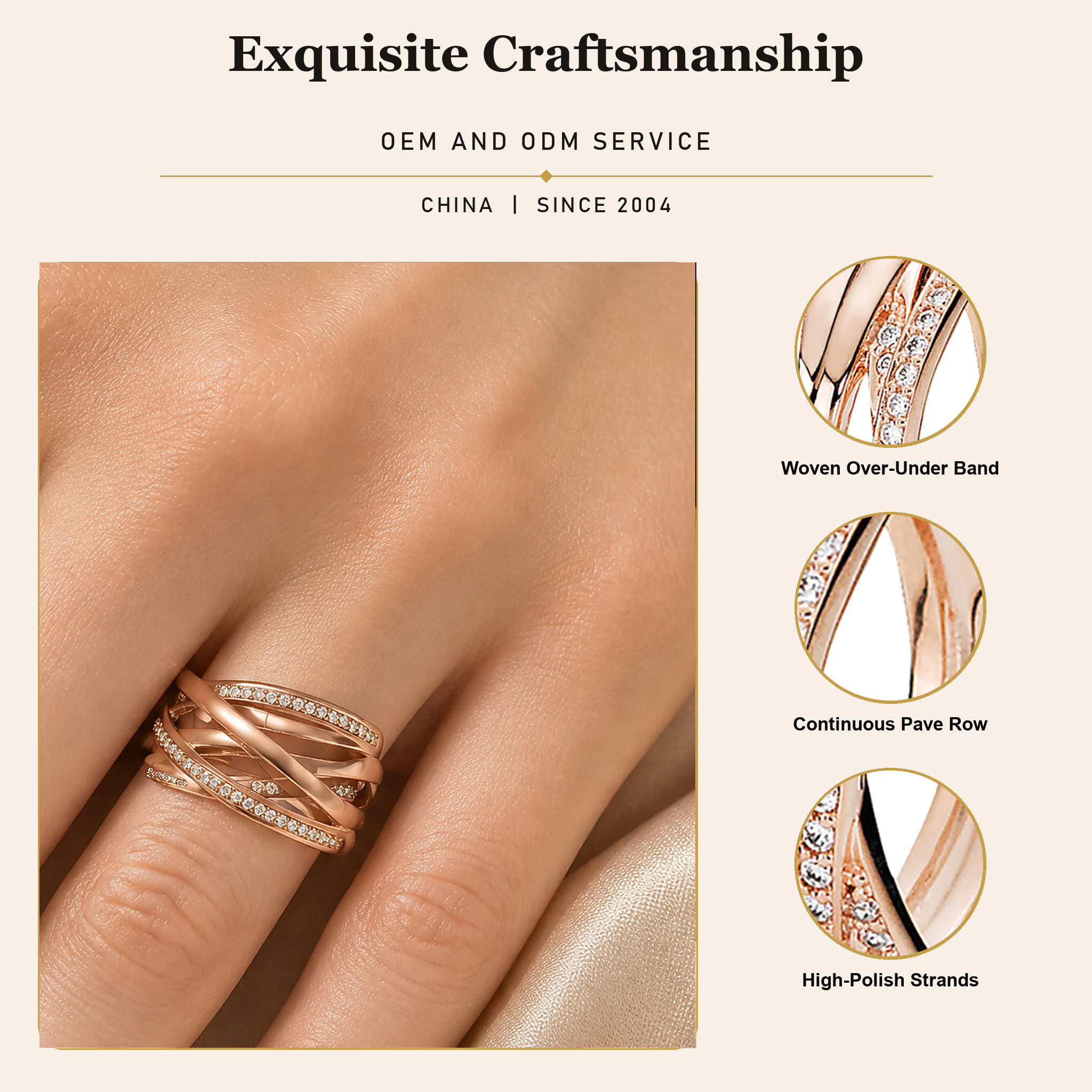
When reviewing potential designs, pay close attention to the quality of craftsmanship. Inspect samples for consistency in finish and durability. It’s advisable to request samples from suppliers before placing bulk orders—this allows you to assess the product firsthand and ensure it meets your quality standards.

Finally, consider how the jewelry will be marketed and sold. This includes promotional strategies, packaging, and potential collaborations. Aligning these elements with the selected jewelry will create a cohesive brand image and enhance customer satisfaction.

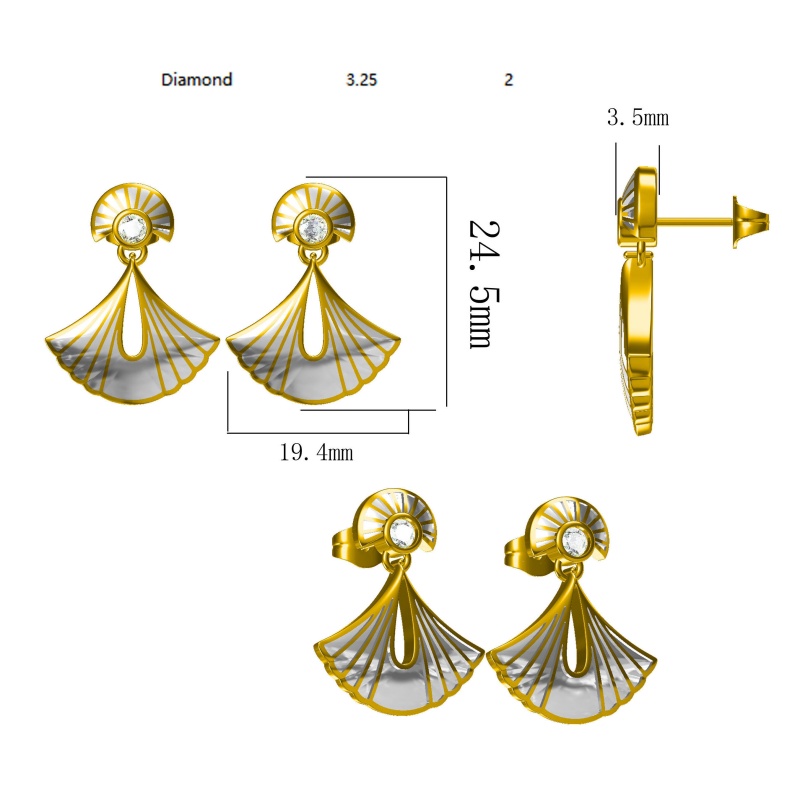
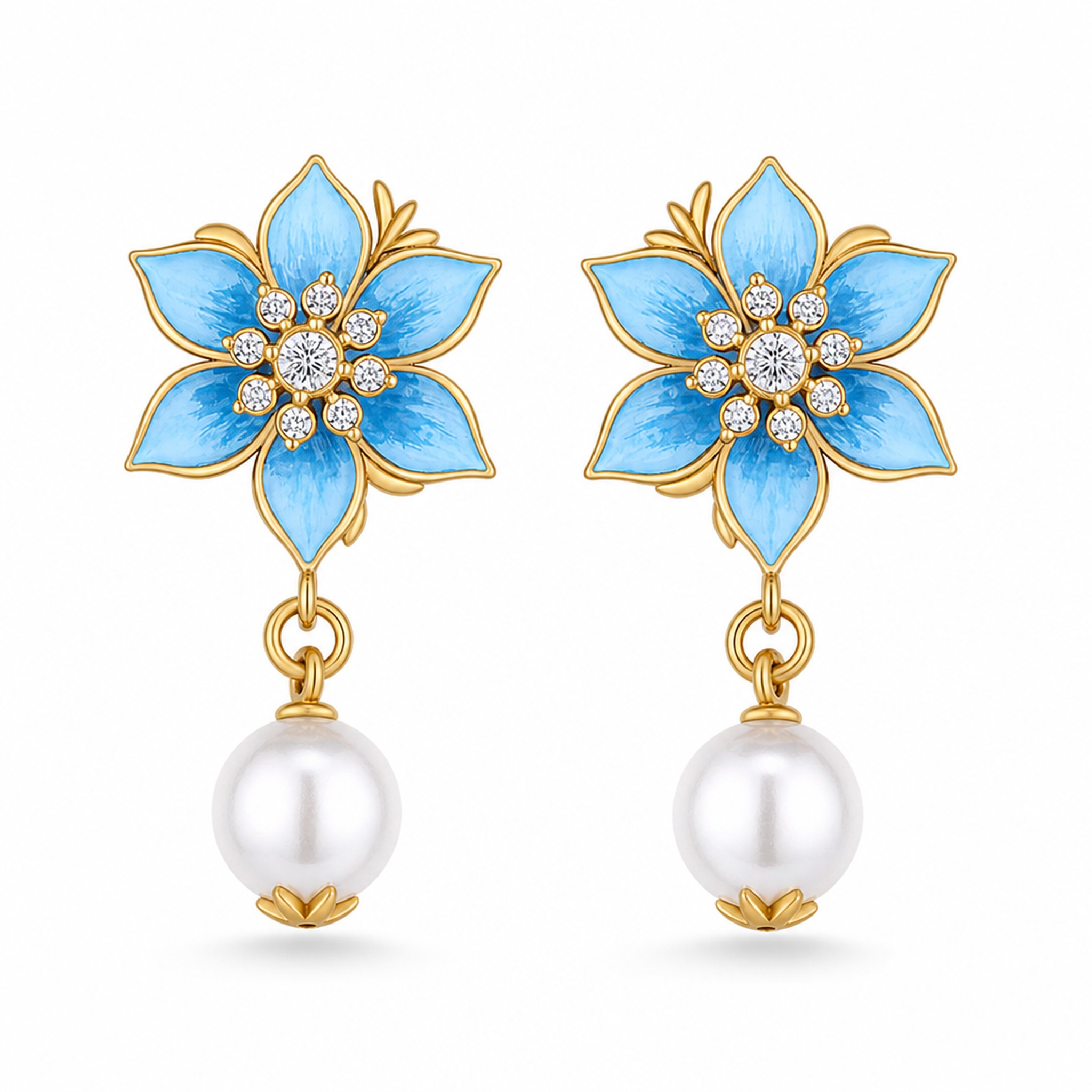
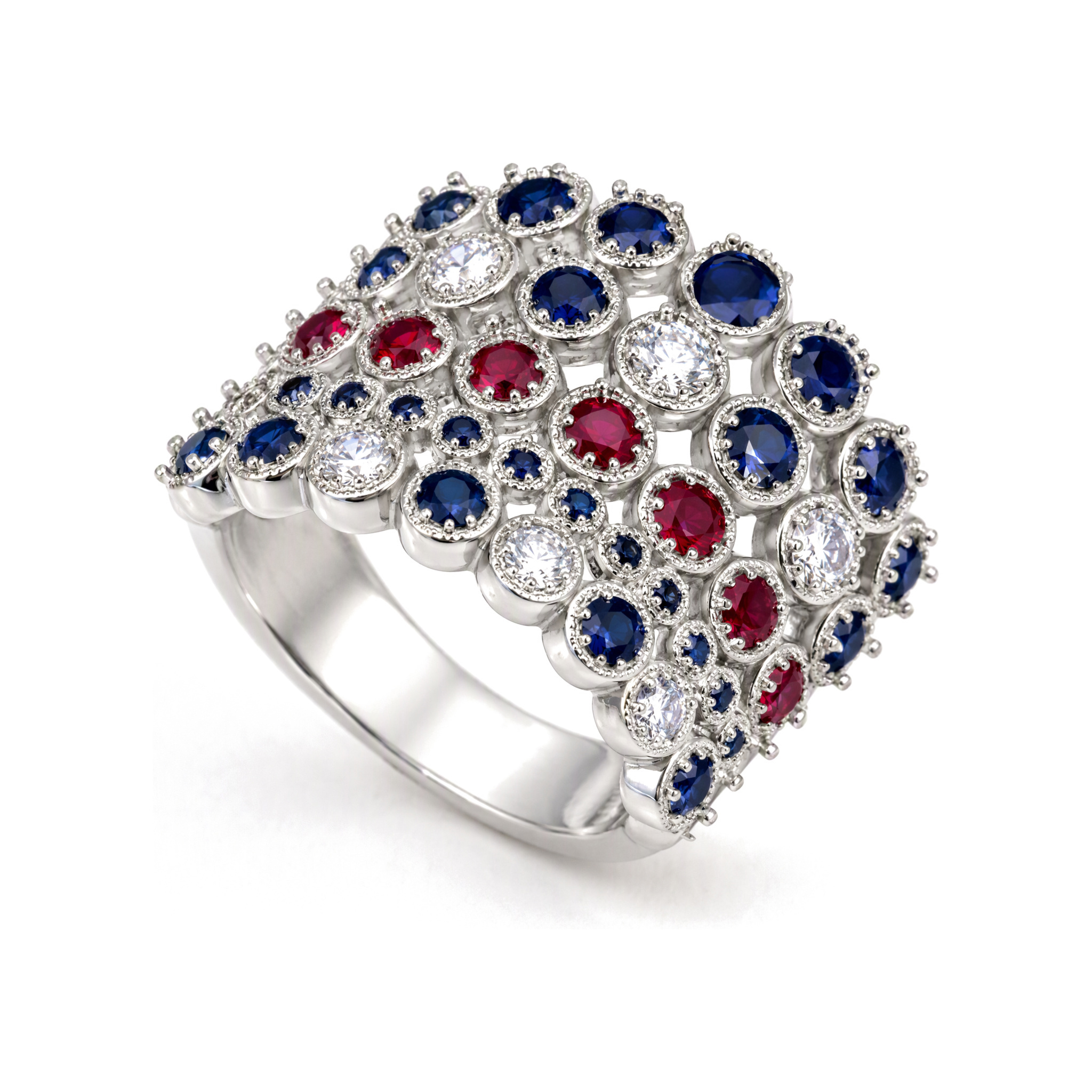
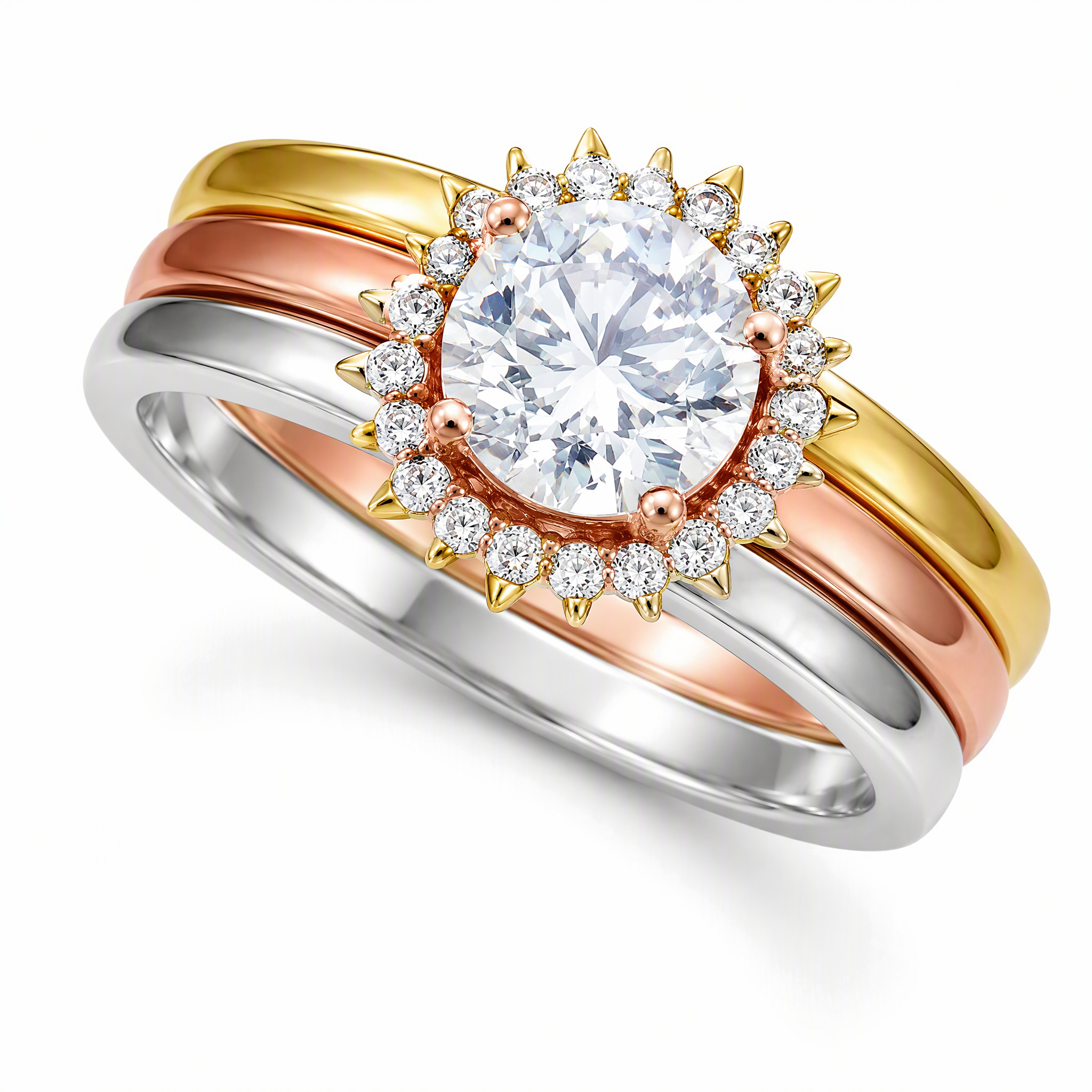
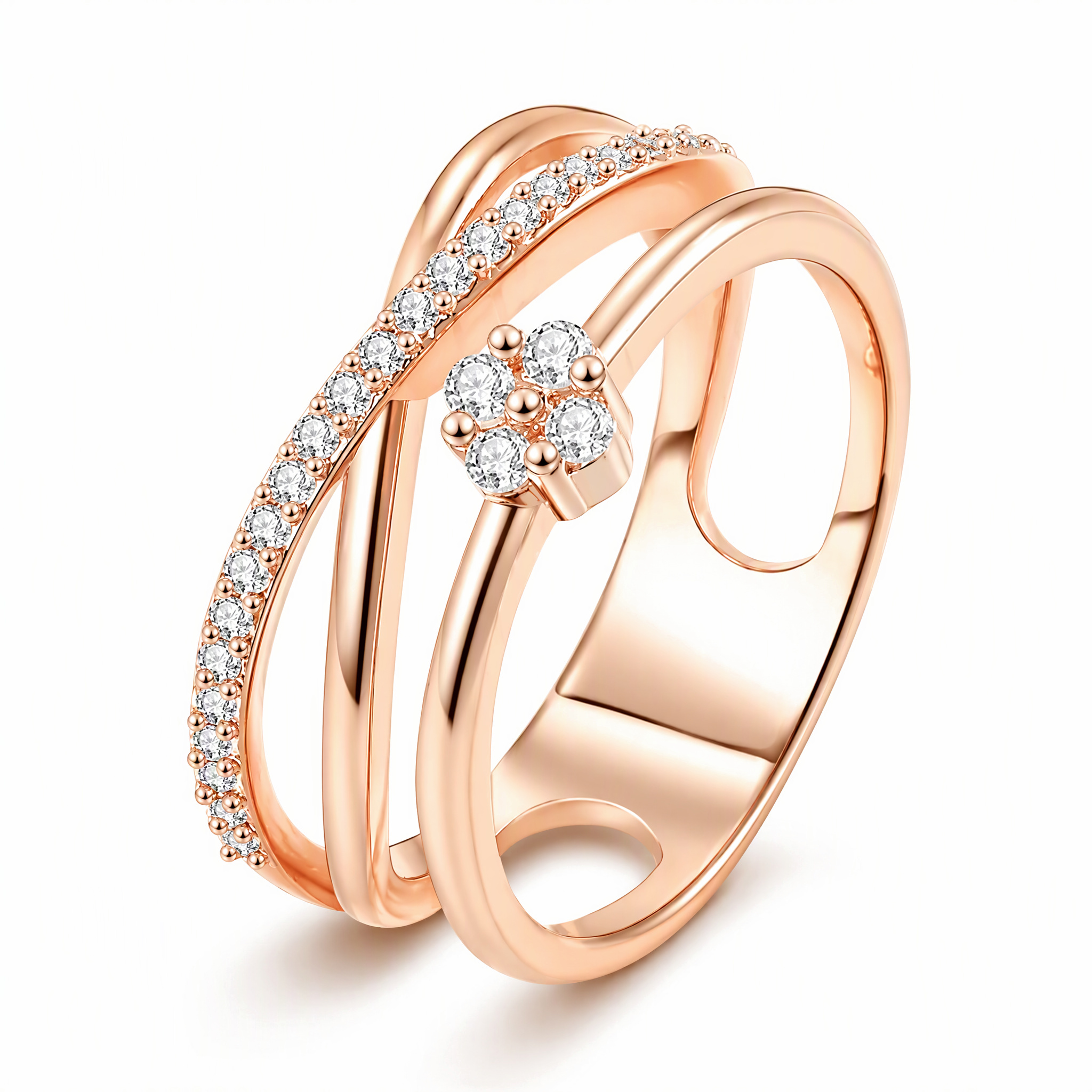
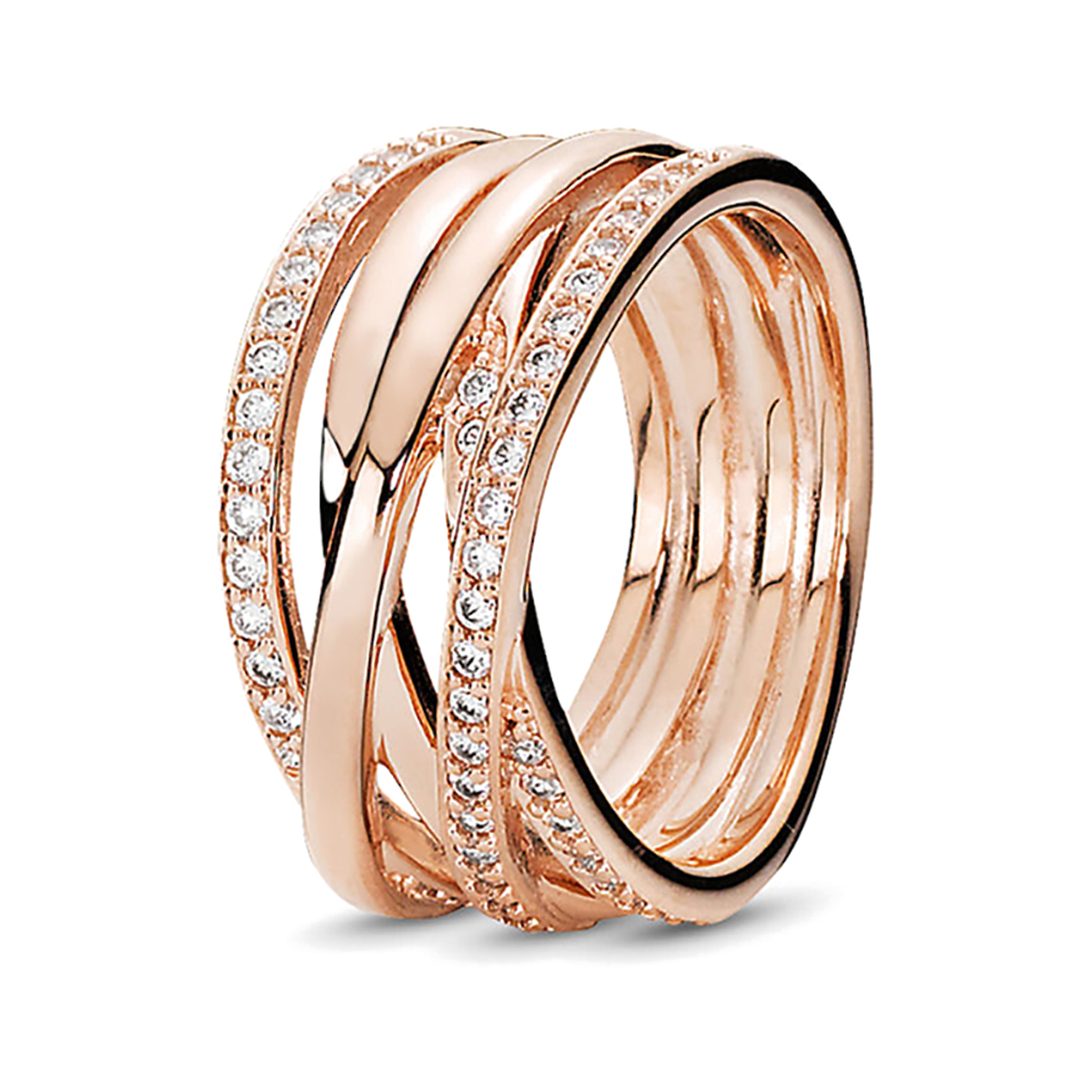
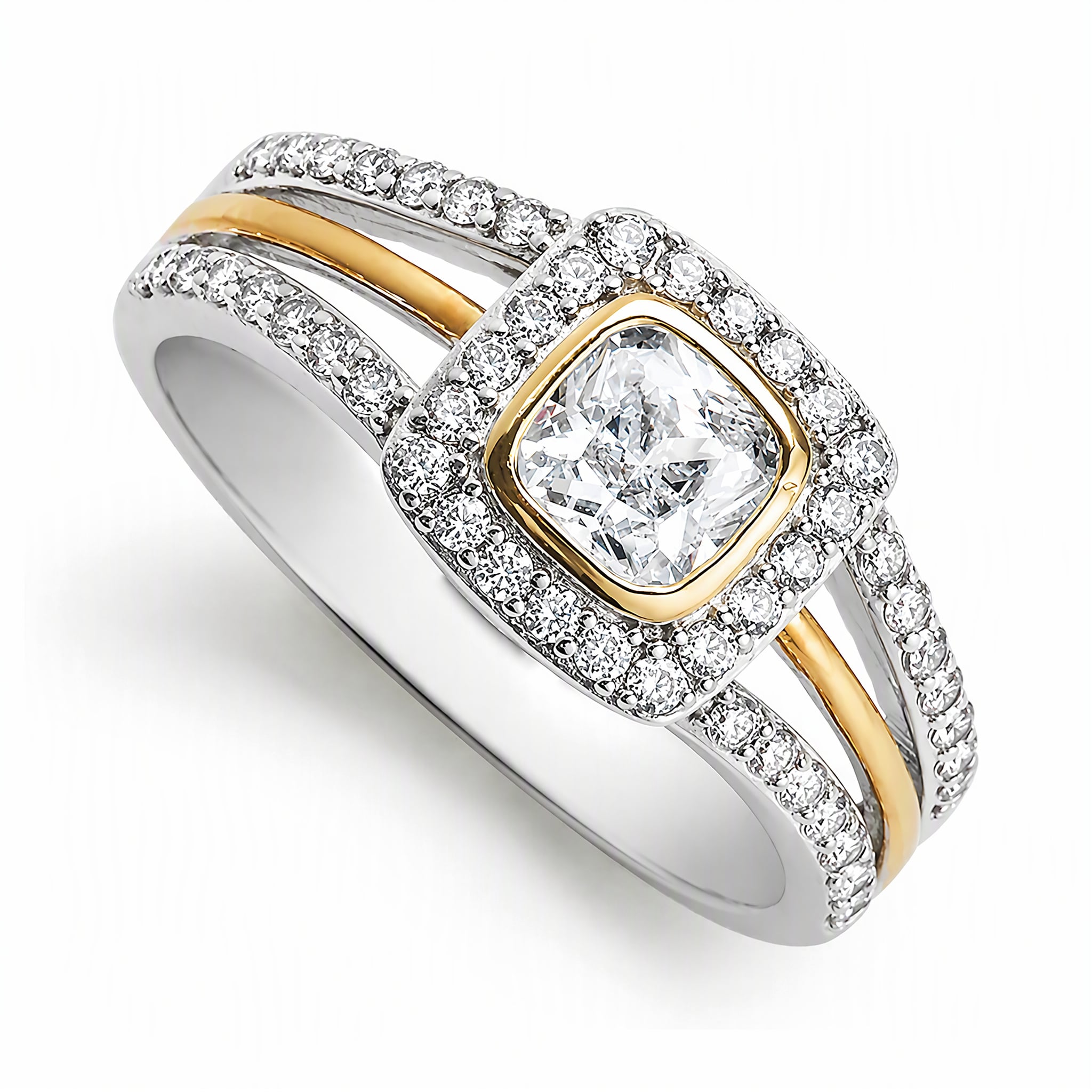
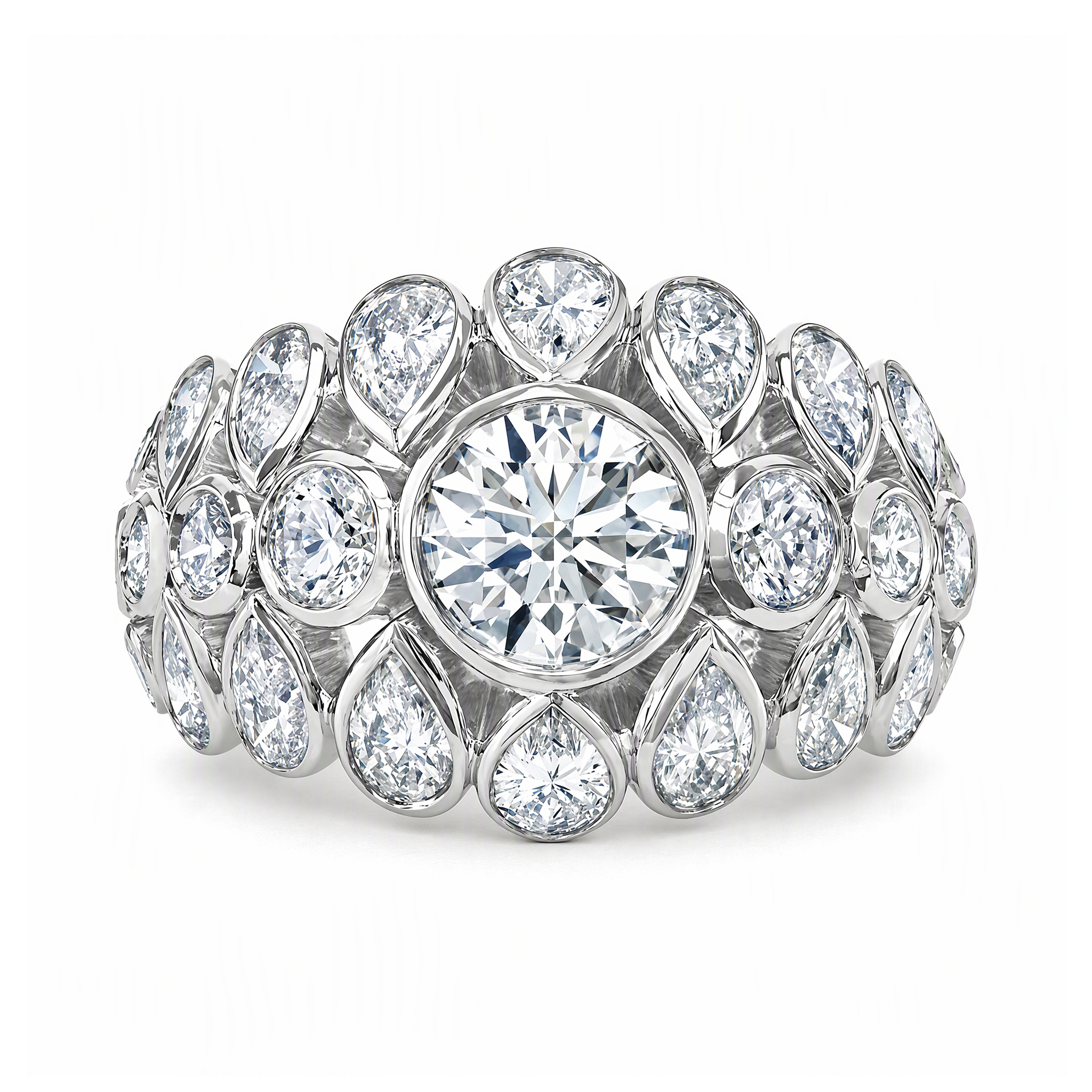
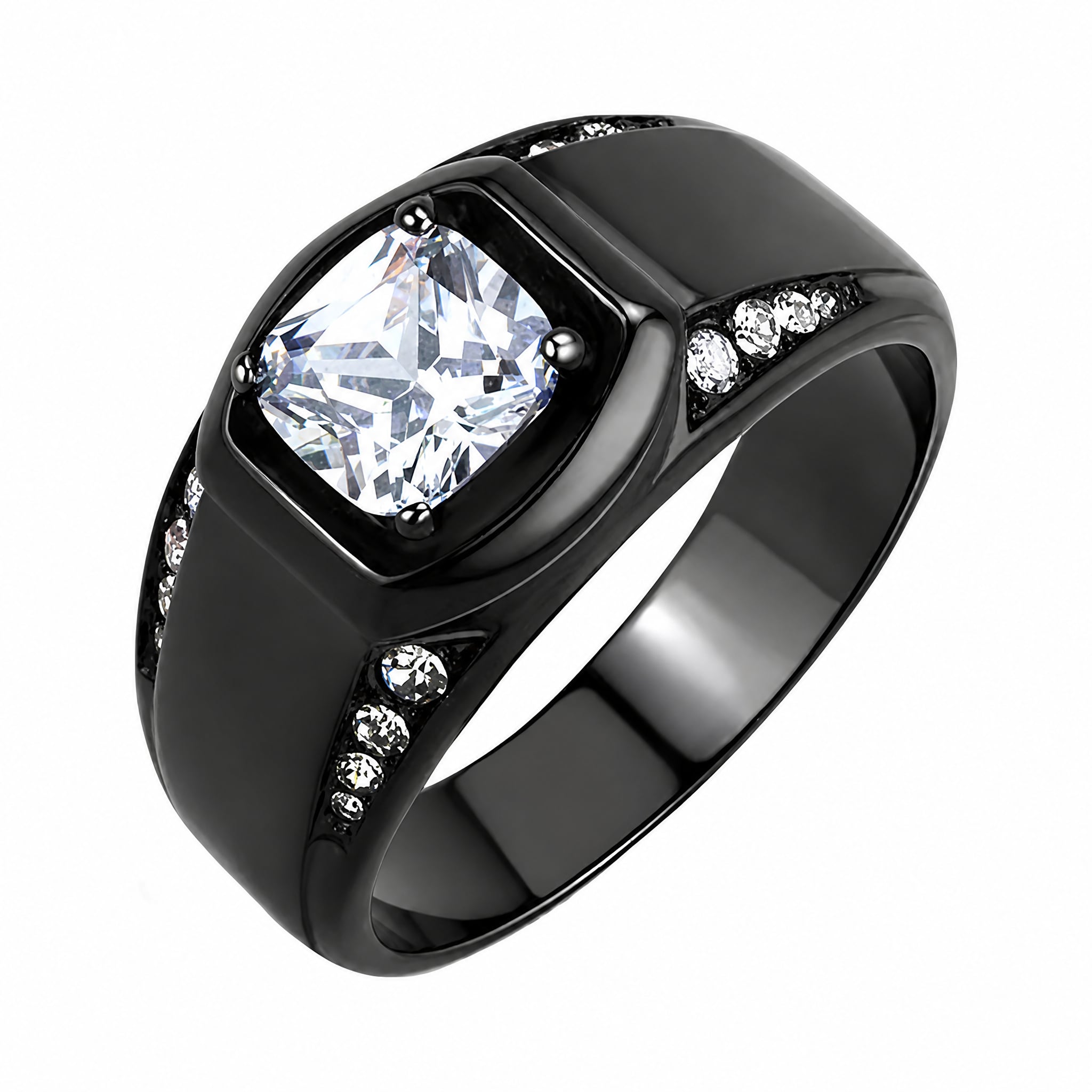
By addressing these factors, you can effectively choose the right 316L stainless steel jewelry pieces, including Earrings and Rings, that will resonate with your audience and drive sales.

Key Specifications for 316L Stainless Steel Jewelry You Should Know

When sourcing 316L stainless steel jewelry, it’s crucial to evaluate several key factors. First, consider the specific application of the jewelry. For example, pieces intended for everyday wear may require different durability and aesthetic considerations compared to those designed for special occasions.

Next, examine the material specifications. 316L stainless steel is known for its low carbon content, which enhances its resistance to pitting and corrosion, making it suitable for long-term wear. Ensure that the supplier provides detailed information about the grade of stainless steel used and any additional treatments or finishes applied to the jewelry, as these can affect both appearance and performance.

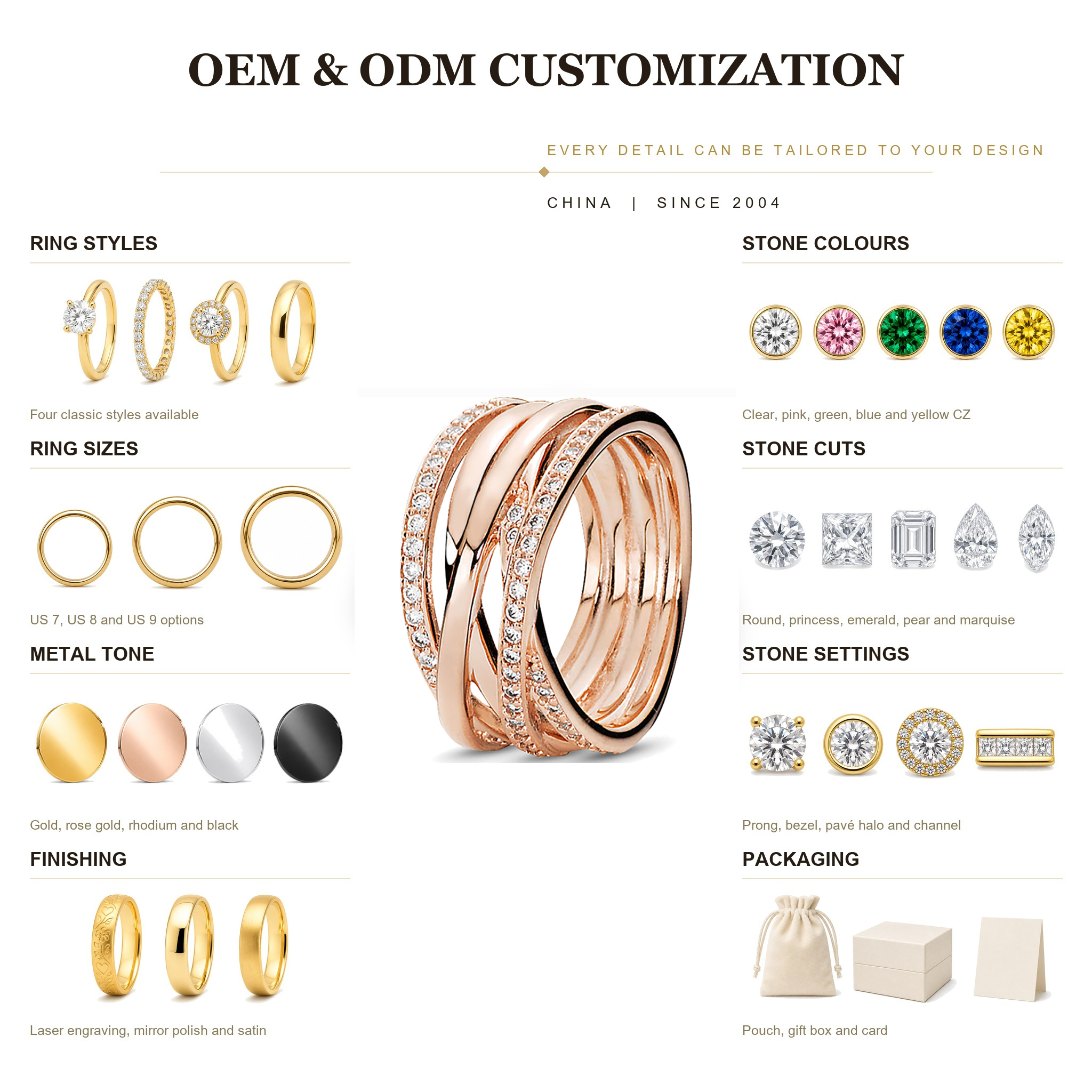
Customization capabilities are also vital. A supplier that can accommodate unique designs, sizes, and finishes will better serve your brand's needs. Look for manufacturers experienced with OEM/ODM processes, as they can offer flexible solutions tailored to your specifications, including options for Bracelets & Bangles and Pendants & Necklaces.

Finally, assess the supplier’s quality control processes. This should include material inspections, production oversight, and final product evaluations to ensure that all pieces meet industry standards.

Get a Free Quote

Our representative will contact you soon.
0/1000