Technical Insights into the Manufacturing of Sterling Silver Pendants
Understanding the manufacturing process of sterling silver pendants can enhance your purchasing decision. Key aspects include:
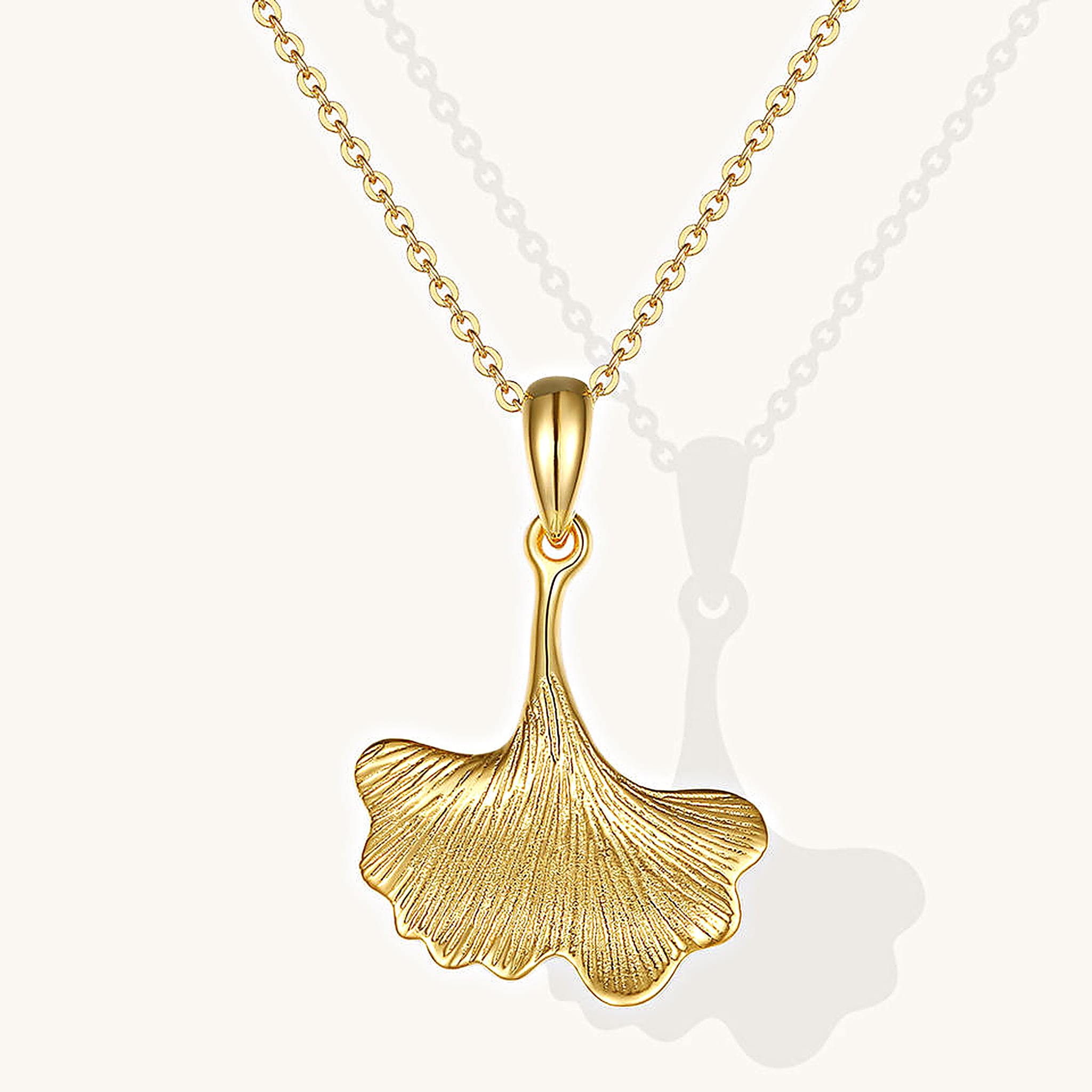
Casting and Molding: Most sterling silver pendants are produced using casting techniques, where molten silver is poured into molds to create the desired shape. This method allows for intricate designs but requires precise control of temperature and alloy content to ensure uniform quality.
Finishing Processes: After casting, pendants undergo various finishing processes, such as polishing, plating, or oxidation. These treatments enhance the pendant's appearance and protect against tarnishing.
Quality Assurance: A reputable manufacturer will implement rigorous quality checks throughout the production process. This includes inspecting raw materials, monitoring production quality, and conducting final inspections before shipping.
Customization Techniques: If you require custom designs, discuss the manufacturing methods employed by the supplier. Techniques like laser engraving or handcrafting can offer unique options for branding or personalization.
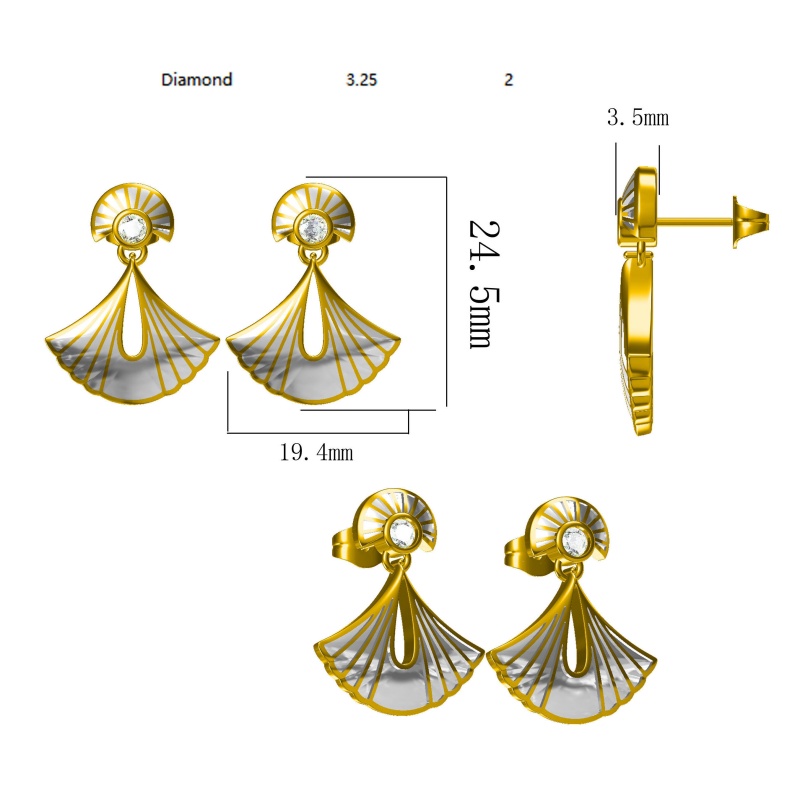
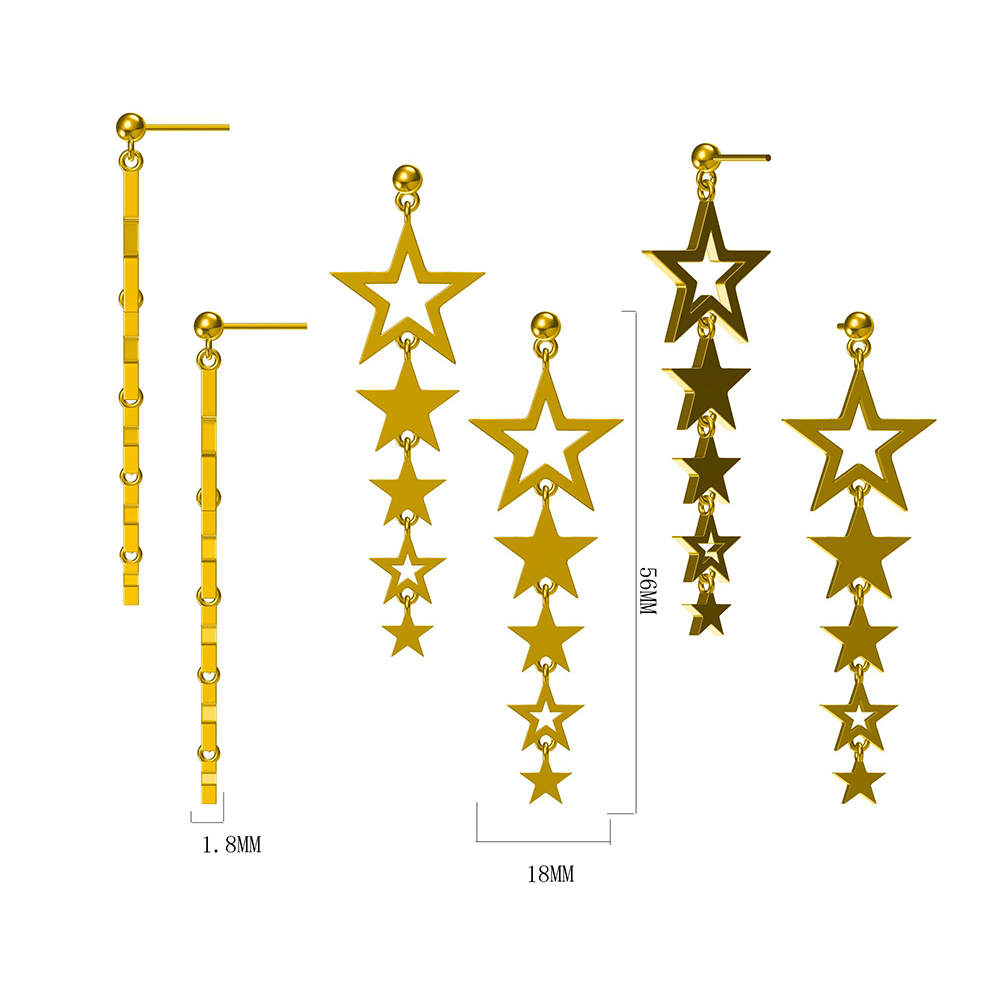
By understanding these technical aspects, buyers can make informed decisions and ensure they select a supplier that meets their requirements for quality and customization. Earrings can also be a valuable addition to your jewelry offerings, providing even more options for your customers.
In summary, sourcing sterling silver pendant necklaces for wholesale involves careful consideration of design, quality, and supplier reliability. By following the guidelines outlined, buyers can navigate the complexities of the purchasing process and make choices that align with their business needs.
 EN