Choosing the Right Supplier for 9k Gold Necklaces

application/9k-gold-necklace, application/9k-gold-necklace, 
Inquiry
Inquiry

9k gold necklace

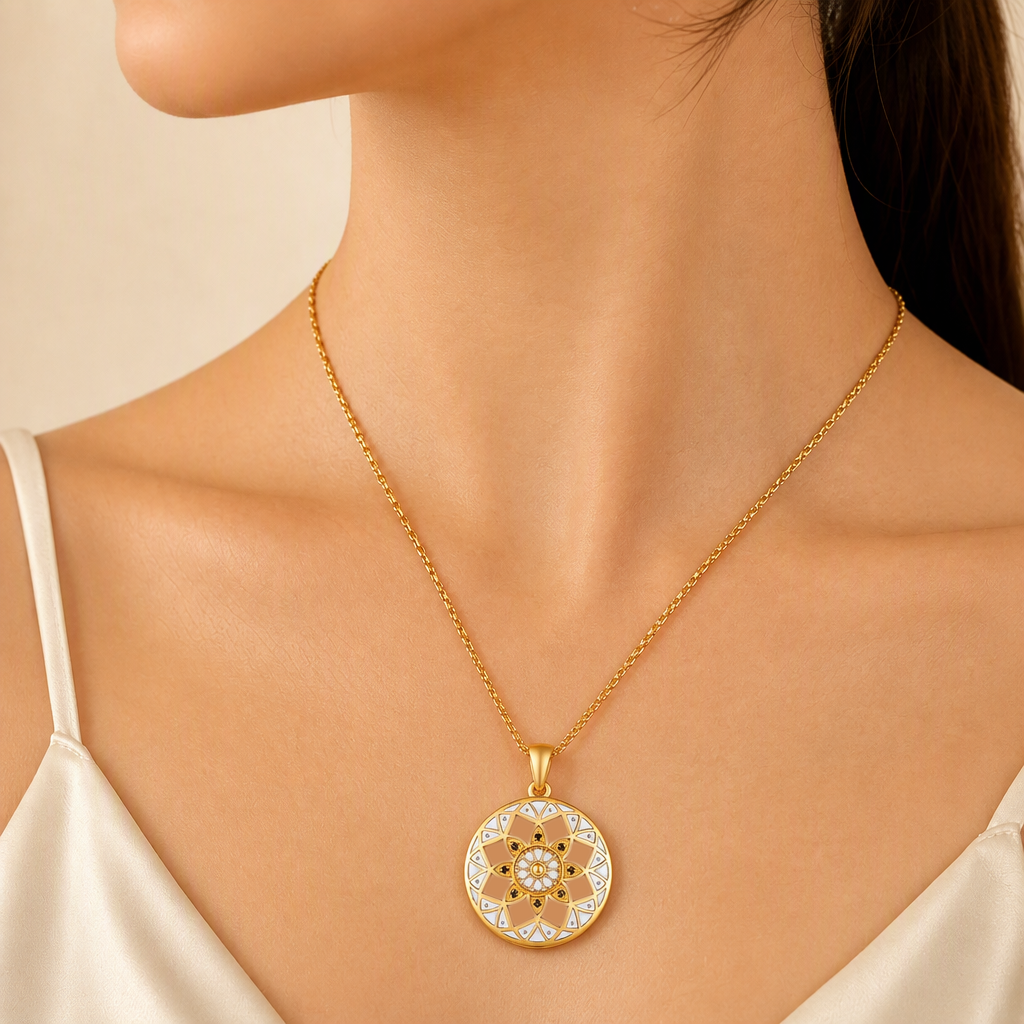
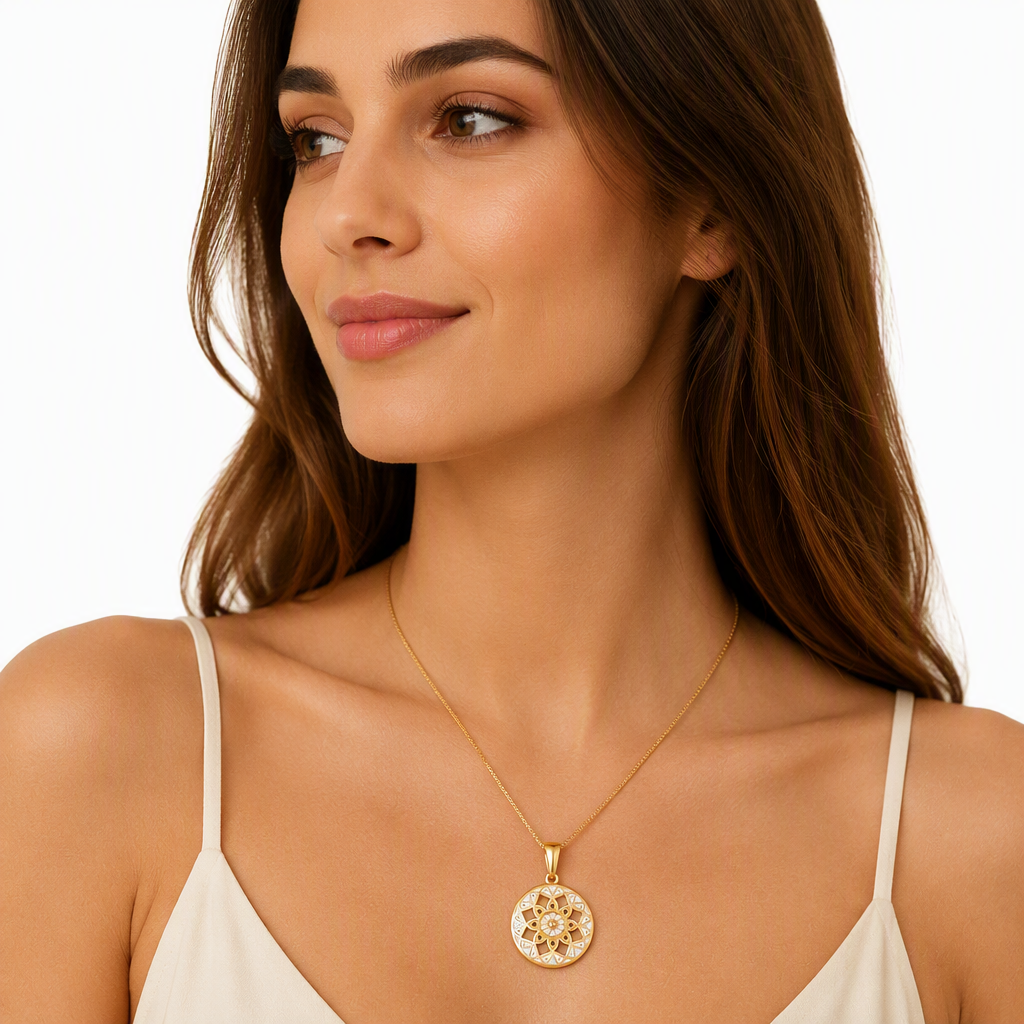
The allure of a 9k gold necklace makes it a popular choice for jewelry retailers and wholesalers alike. As a B2B buyer, understanding the nuances of sourcing 9k gold necklaces is essential to ensure you meet customer expectations while maintaining quality and cost-effectiveness. This article will address key considerations when choosing a supplier, common problems associated with this type of jewelry, its applications, durability factors, and installation guidance for retail settings. Additionally, incorporating complementary pieces such as Bracelets & Bangles can enhance the overall appeal of your jewelry collection.

Common Problems with 9k Gold Necklaces and Their Solutions

Common Problems with 9k Gold Necklaces and Their Solutions

When dealing with 9k gold necklaces, buyers may encounter several common issues. One significant problem is the inconsistency in gold alloy quality. Buyers should verify the gold content and ensure it meets the required standards. Often, the purity of gold is tested through hallmarking; hence, requesting documentation or certification can help confirm authenticity.

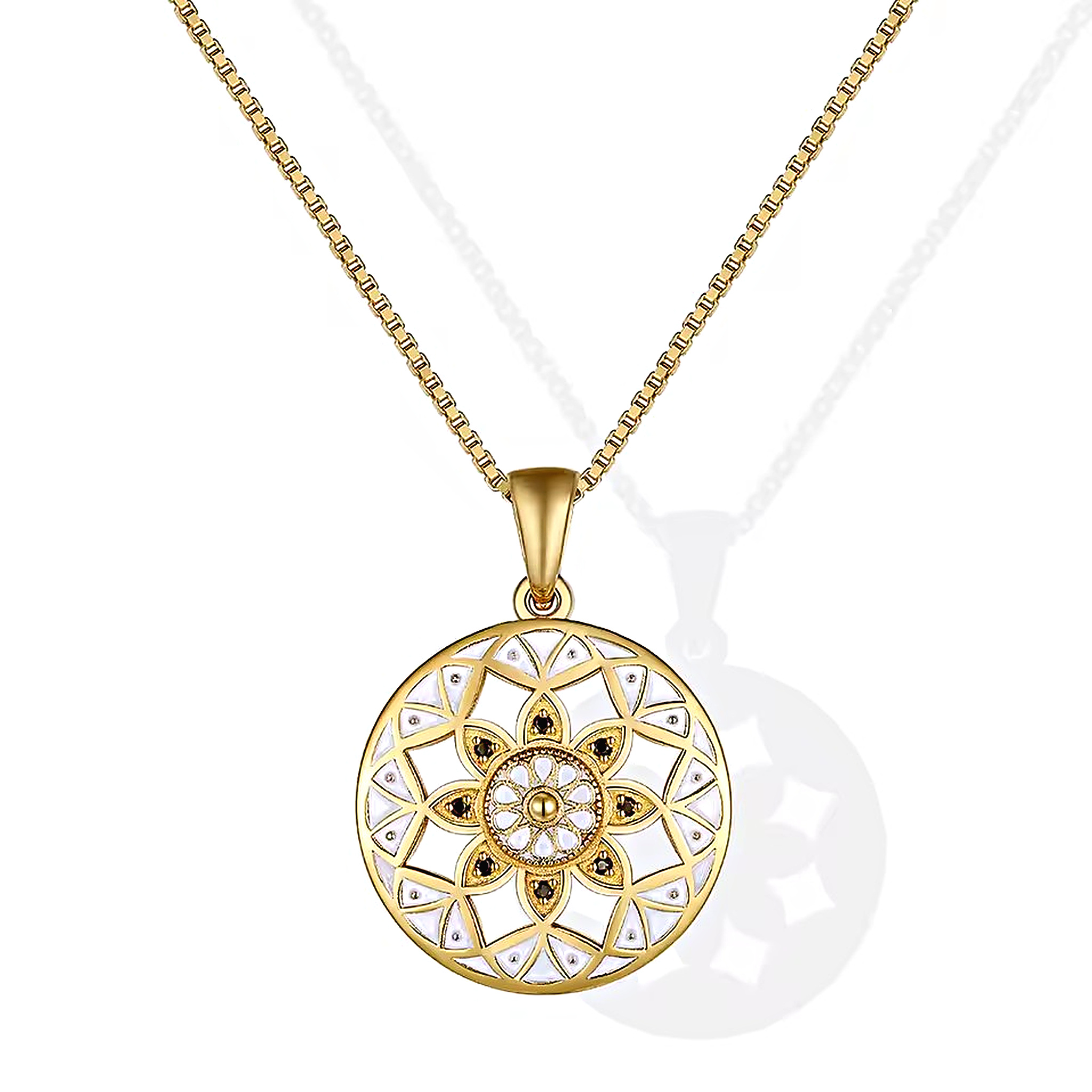
Another issue is tarnishing, which can affect the appearance of necklaces over time. It is advisable to discuss with the supplier the surface treatments or coatings they apply to minimize tarnishing. Regular maintenance instructions can also be provided to end customers to enhance the longevity of the jewelry. Informing customers about related jewelry items, such as Pendants & Necklaces, can also encourage additional purchases.

Additionally, clasp and link failures can occur if the design is not robust. Buyers should assess the design specifications and request samples before full production. This allows for practical testing of durability and functionality, ensuring that the final product meets customer expectations.

Applications of 9k Gold Necklaces in Various Industries

Applications of 9k Gold Necklaces in Various Industries

9k gold necklaces find applications across various sectors, primarily in fashion and jewelry retail. They are favored for their affordability compared to higher karat gold options, making them attractive to a broader customer base. Retailers can market these necklaces as versatile pieces suitable for casual wear or special occasions.

In the luxury gifting market, 9k gold necklaces are increasingly popular for celebrations such as anniversaries, graduations, and holidays, providing a balance between elegance and budget. They can also be personalized through engraving or custom pendants, appealing to consumers looking for unique gifts.

Furthermore, the industrial sector may utilize 9k gold in electronic components due to its conductivity and resistance to corrosion. This expands the potential market for 9k gold necklaces beyond traditional jewelry settings, opening opportunities for collaborations with tech companies.

What Makes 9k Gold Necklaces Durable?

What Makes 9k Gold Necklaces Durable?

The durability of 9k gold necklaces can be attributed to the alloy composition and the manufacturing process. 9k gold consists of 37.5% pure gold mixed with other metals such as copper, silver, or zinc. This blend enhances strength and resistance to scratching, making it more suitable for everyday wear compared to higher karat gold.

Moreover, the craftsmanship involved in creating these necklaces plays a crucial role in their longevity. Skilled artisans at manufacturers like Shenzhen Beyaly Jewelry ensure that techniques such as soldering and finishing contribute to a robust final product. Buyers should inquire about the specific manufacturing processes used, as well as any additional treatments that may enhance durability, such as polishing or protective coatings.

Regular maintenance is also key to preserving the appearance and durability of 9k gold necklaces. Buyers should consider providing care instructions to customers, emphasizing the importance of storing jewelry properly and avoiding exposure to harsh chemicals.

Installation Guidance for 9k Gold Necklaces in Retail Settings

When displaying 9k gold necklaces in retail settings, the installation process is crucial for attracting customers and maintaining product integrity. First, consider the display materials used. Using velvet or soft fabrics can prevent scratches and enhance the visual appeal of the necklaces.

Second, organize the necklaces by style or collection to create a cohesive look that invites customer interaction. Clear labeling with price points and product details will help shoppers make informed decisions. It’s also beneficial to have trained staff available to educate customers about the unique qualities and care of 9k gold jewelry.

Additionally, consider the placement of lighting in the display area. Proper lighting can significantly enhance the appearance of gold jewelry, making it more appealing to potential buyers. Provide enough space to avoid overcrowding, which can detract from individual pieces and make it difficult for customers to examine the necklaces closely.

Finally, regular inventory checks will help maintain the display’s attractiveness and ensure that any damaged pieces are promptly addressed, further instilling confidence in your retail operations.

By understanding these essential aspects of sourcing and displaying 9k gold necklaces, B2B buyers can make informed decisions that enhance their product offerings and meet customer demands effectively. Including a range of products such as Earrings can additionally diversify your jewelry selection.

How to Choose the Right Supplier for 9k Gold Necklaces

Selecting the right supplier for 9k gold necklaces involves assessing several critical factors. First, consider the manufacturer's experience in producing gold jewelry. Look for suppliers like Shenzhen Beyaly Jewelry Manufacture Co., Ltd., known for their OEM/ODM capabilities, which can provide flexibility in design and customization.

Next, evaluate the supplier's production capacity and lead times. A reliable supplier should have advanced facilities and skilled craftsmanship to handle both large orders and custom designs without compromising quality. Additionally, inquire about minimum order quantities (MOQs) to ensure they align with your purchasing strategy.

Quality control processes are also vital. Ensure that the supplier implements rigorous quality checks throughout the manufacturing stages. Request details about certifications that indicate compliance with international quality standards. Finally, consider their after-sales support, including return policies and warranty provisions, which can greatly impact your business operations.

Get a Free Quote

Our representative will contact you soon.
0/1000