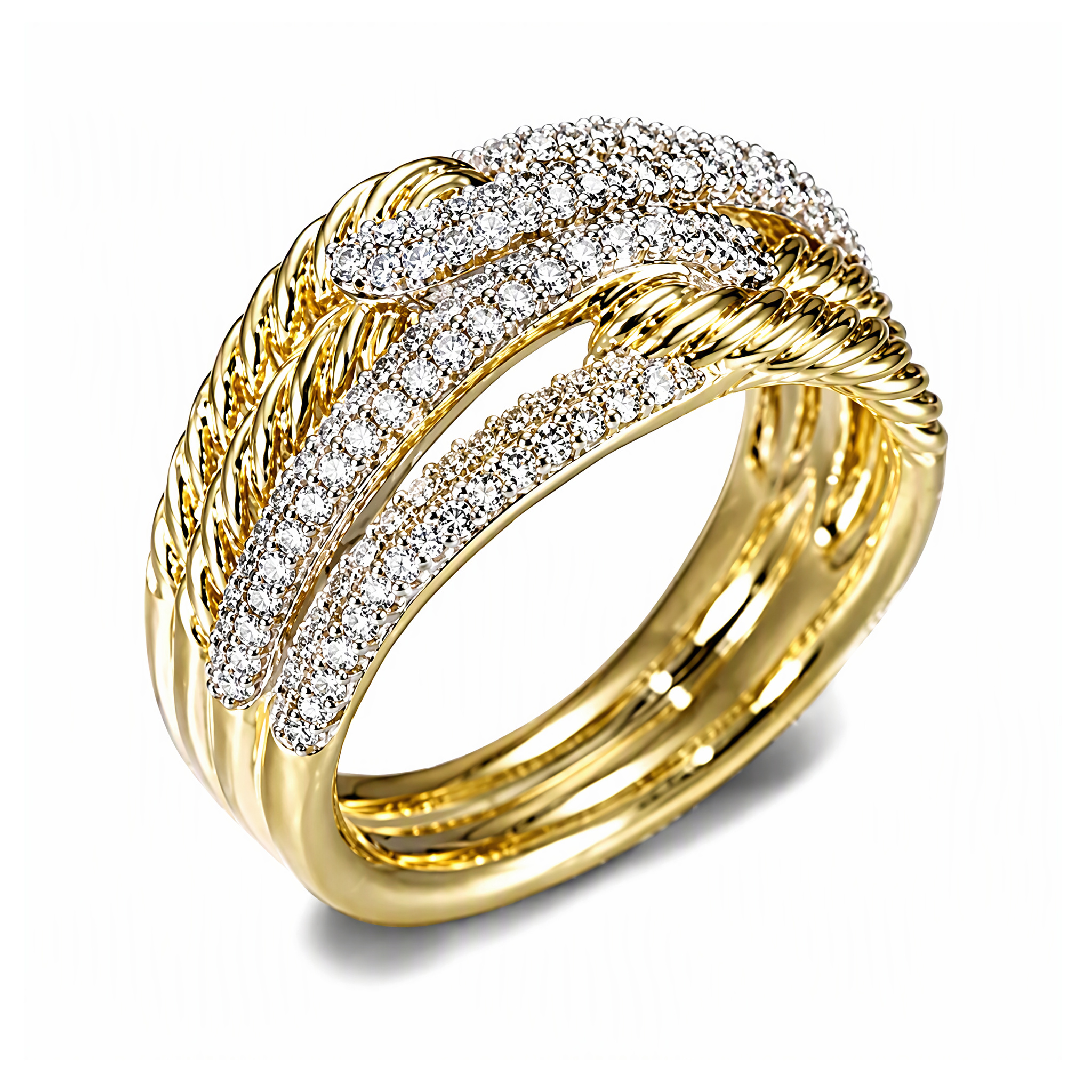
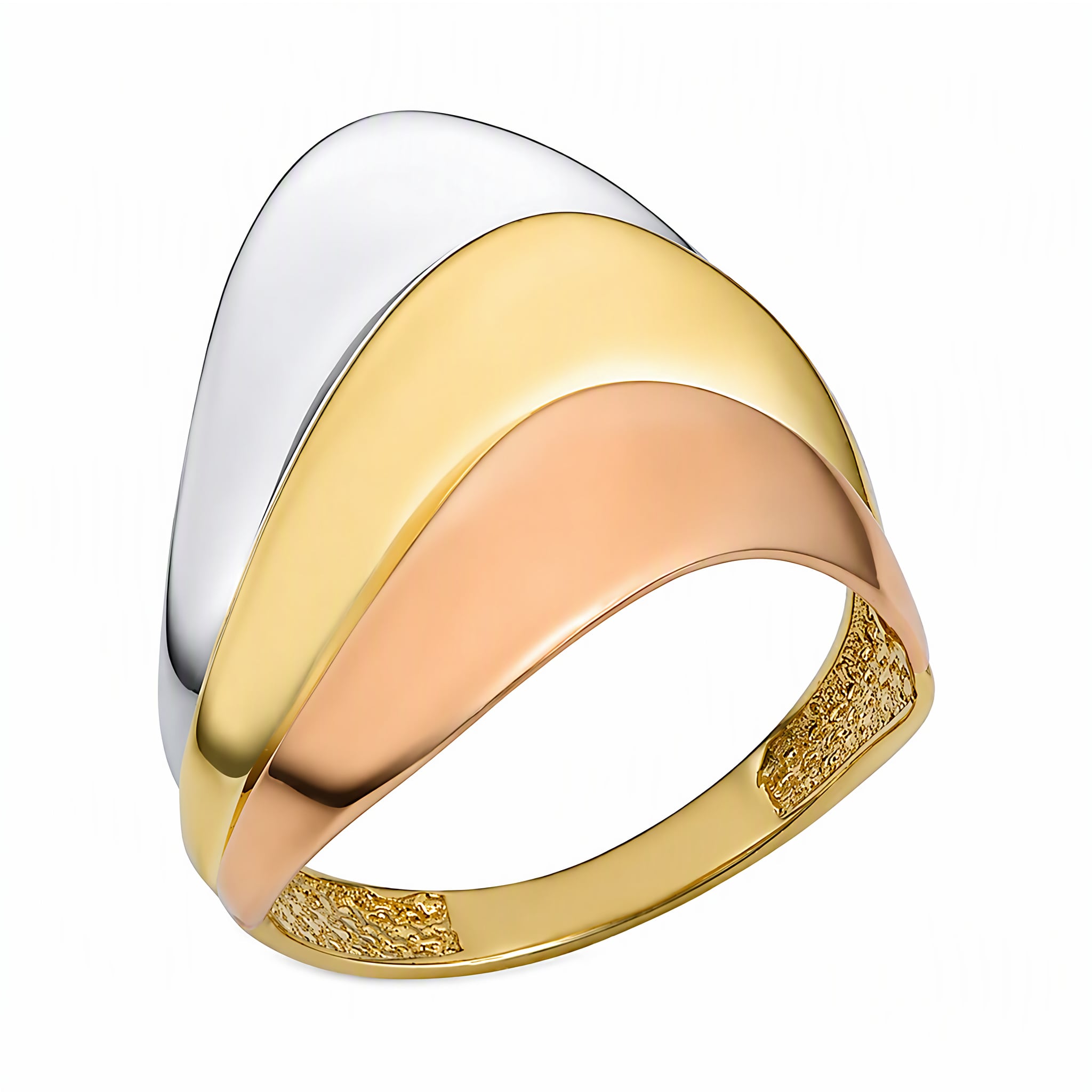
Custom Engraved Jewelry: Key Specifications & Quality

application/custom-engraved-jewelry, application/custom-engraved-jewelry, 
Inquiry
Inquiry

Custom engraved jewelry

Custom engraved jewelry has become a popular choice for businesses looking to offer personalized products that resonate with customers. This type of jewelry, which includes rings, earrings, pendants, and bracelets, can be tailored to meet specific aesthetic and functional requirements. As a B2B buyer, your main concerns may revolve around quality, customization options, and the reliability of suppliers. This article will provide insights into key specifications, quality evaluation, installation guidelines, common issues, and applications of custom engraved jewelry, helping you make informed purchasing decisions. 

Evaluating the Quality of Custom Engraved Jewelry Products

Quality assessment is a fundamental aspect of sourcing custom engraved jewelry. Here are some criteria to evaluate: 

Material Integrity: Insist on high-quality materials that meet industry standards. Request certifications or documentation verifying material composition and durability,  especially for precious metals. 

Craftsmanship: Examine the precision of the engraving and overall craftsmanship. A well-executed engraving should be clear, consistent, and free of imperfections.  It's advisable to review samples or previous work from the supplier. 

Quality Control Processes: Inquire about the manufacturer's quality control protocols. Reliable manufacturers often have established processes for inspecting raw materials, in-process checks, and final product evaluations. 

Feedback and Reviews: Look for testimonials or case studies from previous clients. This feedback can provide insights into the supplier's reliability, product quality,  and customer service. 

Return Policy and Warranty: Understanding the return policy or warranty offered by the hand jewelry manufacturer can provide additional assurance of product quality. A reputable supplier will stand behind their work and offer solutions if issues arise. 

By ensuring that these quality factors are addressed, you can mitigate the risks associated with purchasing custom engraved jewelry. 

Installation Guidelines for Custom Engraved Jewelry Products

While custom engraved jewelry is generally ready for use, certain installation and care guidelines can enhance the longevity of the pieces: 

Proper Handling: Advise customers to handle jewelry gently to avoid scratches or damage, particularly on engraved surfaces. 

Care Instructions: Provide clear care instructions based on the material. For example, suggest that sterling silver jewelry be stored in anti-tarnish pouches and cleaned with appropriate solutions. 

Fitting Considerations: For pieces like rings or bracelets, ensure that customers are aware of fitting guidelines. Providing size charts or fitting kits can help prevent sizing issues. 

Engraving Maintenance: Depending on the beads for jewelry making material, some engravings may require periodic maintenance to maintain clarity and appearance. Educate customers on how to keep the engraving looking fresh. 

By following these installation guidelines, you can enhance customer satisfaction and minimize returns due to damage or improper fit. 

Common Issues with Custom Engraved Jewelry and Their Solutions

While custom engraved jewelry generally meets expectations, some common issues may arise. Here are potential problems and solutions: 

Fading Engravings: Over time, certain engravings may fade, especially if they are not properly maintained. To combat this, recommend using protective coatings or suggest regular cleaning to keep engravings clear. 

Material Allergies: Some customers may experience allergies to specific metals. Always offer alternatives and clearly communicate material compositions to help buyers make informed decisions. 

Misalignment of Designs: Occasionally, engraving may not be aligned as intended. To prevent this, ensure that design proofs are approved before production. Requesting a sample before mass production can also help catch any alignment issues early. 

Durability Concerns: Depending on the material and usage, some jewelry may not withstand daily wear. Discuss with the manufacturer about reinforcing weaker designs or offering stronger materials for more active customers. 

Sizing Errors: Inaccurate sizing can lead to dissatisfaction. Provide detailed measurement guidelines and encourage customers to confirm sizes before placing orders. 

Addressing these common issues proactively can enhance the customer experience and reduce the likelihood of returns. 

Applications of Custom Engraved Jewelry in Various Industries

Custom engraved jewelry serves a multitude of applications across various sectors: 

Corporate Gifting: Many businesses use custom engraved jewelry for employee recognition and corporate gifting. Personalized items help build brand loyalty and employee satisfaction. 

Fashion Retail: Fashion brands often utilize custom engraved pieces to create unique collections that resonate with customers. This personalization adds value and enhances brand identity. 

Event Commemorations: Custom engraved jewelry is popular for commemorating special events such as weddings, anniversaries, and graduations. Offering personalized pieces can cater to sentimental buyers looking for unique gifts. 

Promotional Merchandise: Companies can leverage custom engraved jewelry as promotional merchandise, incorporating logos or taglines to enhance brand visibility. 

Charity and Fundraising: Non-profits often use custom engraved jewelry as fundraising merchandise, where each piece carries a message or symbol relevant to their cause. 

Understanding these applications allows B2B buyers to tailor their product offerings to specific markets and maximize sales potential. By choosing the right custom engraved jewelry options, companies can effectively meet diverse consumer demands and enhance their product portfolios. 

Key Specifications to Consider for Custom Engraved Jewelry

When selecting custom engraved jewelry, several specifications are critical to ensuring the final product meets your needs. Key considerations include: 

Material Selection: The choice of material impacts durability, aesthetics, and wearability. Common materials include stainless steel, sterling silver, gold, and platinum.  Each material offers distinct advantages, such as tarnish resistance in stainless steel or the luxurious appeal of gold. 

Engraving Method: Different methods such as laser engraving or hand engraving can produce varying levels of detail and finish. Laser engraving typically offers precision and intricate designs, while hand engraving can provide a unique, artisanal touch. 

Dimensions and Weight: Specifications related to size and weight are crucial, especially for jewelry that will be worn regularly. Ensure that the dimensions align with target market preferences and that the weight is comfortable for the charm jewelry intended use. 

Finishing Options: The finishing process can affect the appearance and feel of the jewelry. Options like polishing, matte finishes, or plating can enhance the overall look and increase product appeal. 

Customization Capabilities: Understanding the manufacturer’s capabilities regarding design changes, logo placement, and engraving depth is vital. Confirm what level of customization is available to meet specific branding needs. 

By considering these specifications, you can ensure that the custom engraved jewelry aligns with your brand identity and fulfills customer expectations. 

Get a Free Quote

Our representative will contact you soon.
0/1000

Related product categories