Sourcing Antique Sterling Earrings: Key Insights

application/antique-sterling-earrings, application/antique-sterling-earrings, 
Inquiry
Inquiry

antique sterling earrings

Antique sterling earrings are a timeless accessory that blends elegance with history, appealing to both individual consumers and businesses alike. For B2B buyers—such as purchasing managers, distributors, and retailers—understanding the intricacies of sourcing antique sterling earrings is crucial. Key concerns include quality, customization options, cost factors, and supplier reliability. This article will guide you through essential specifications, cost considerations, installation guidance, trusted suppliers, and common issues related to antique sterling earrings, ensuring you make informed purchasing decisions.

Understanding the Cost Factors of Wholesale Antique Sterling Earrings

Understanding the Cost Factors of Wholesale Antique Sterling Earrings

The cost of wholesale antique sterling earrings can vary significantly based on several factors.

Material Costs: The price of sterling silver fluctuates with market conditions. Buyers should stay informed about current silver prices to negotiate effectively with suppliers.

Design Complexity: Intricate designs often necessitate more labor and time, which can increase costs. Buyers should assess whether the additional expense aligns with market demand.

Manufacturing Processes: Consider whether the earrings are handcrafted or mass-produced. Handcrafted items may carry a premium, but they often provide unique value that can justify higher prices.

Order Volume: Many suppliers have minimum order quantities (MOQ) that can affect pricing. Larger orders typically result in lower per-unit costs, making it beneficial for buyers looking to stock inventory.

Shipping and Handling: Factor in shipping costs, especially for international orders. Freight costs can vary based on the weight and volume of the earrings, as well as the chosen shipping method.

Installation Guidance for Antique Sterling Earrings in Various Applications

Installation Guidance for Antique Sterling Earrings in Various Applications

While antique sterling earrings are primarily worn as fashion accessories, understanding their installation and use in various applications can enhance their value proposition.

Retail Display: For retailers, proper display is crucial. Use velvet or satin-lined earring holders to present the jewelry attractively while preventing scratches and tarnishing. Ensure that display setups allow customers to see the earrings from multiple angles.

Packaging for Resale: When selling antique earrings, consider packaging options that reflect the product's value. Custom boxes or pouches can enhance the perceived value and protect the earrings during transport.

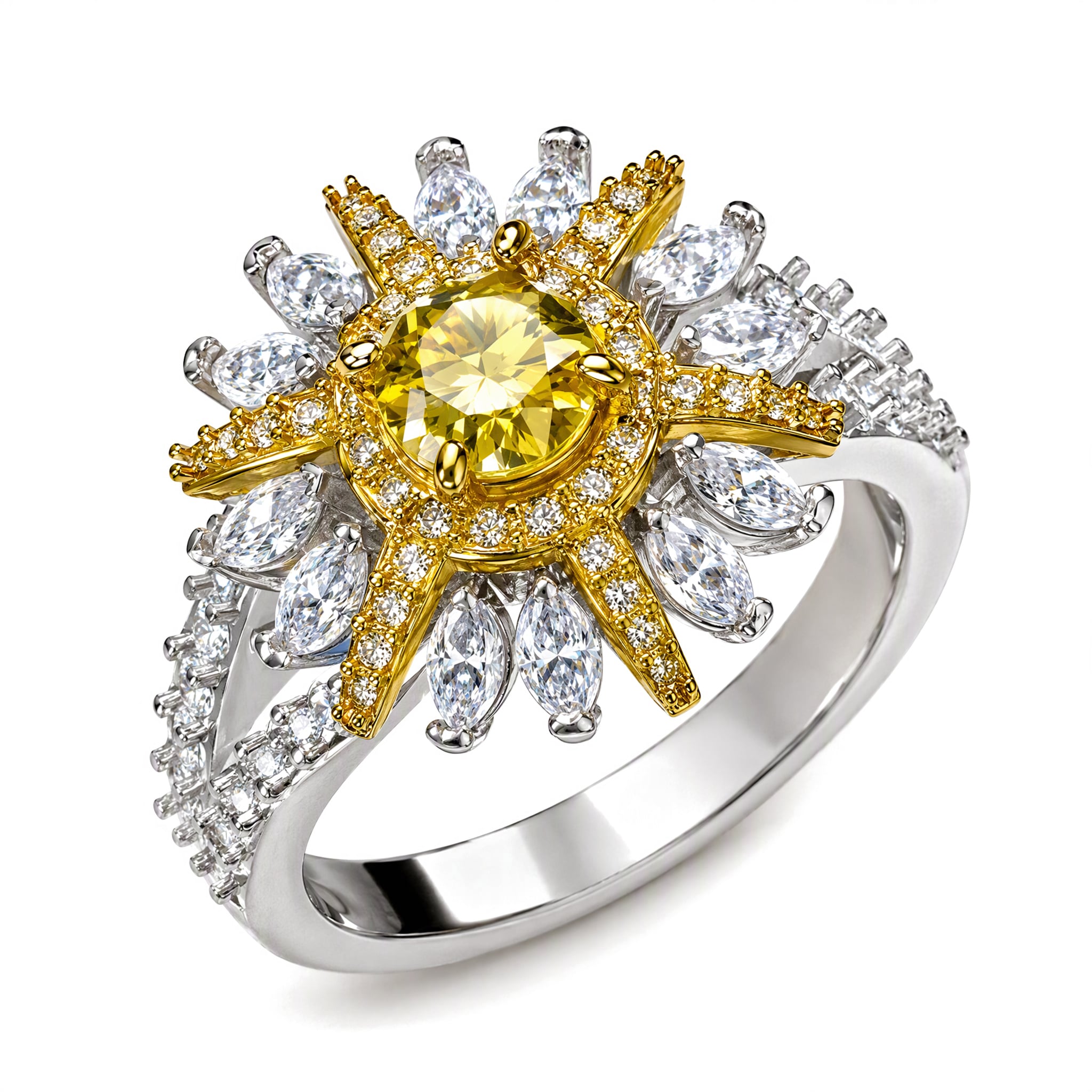
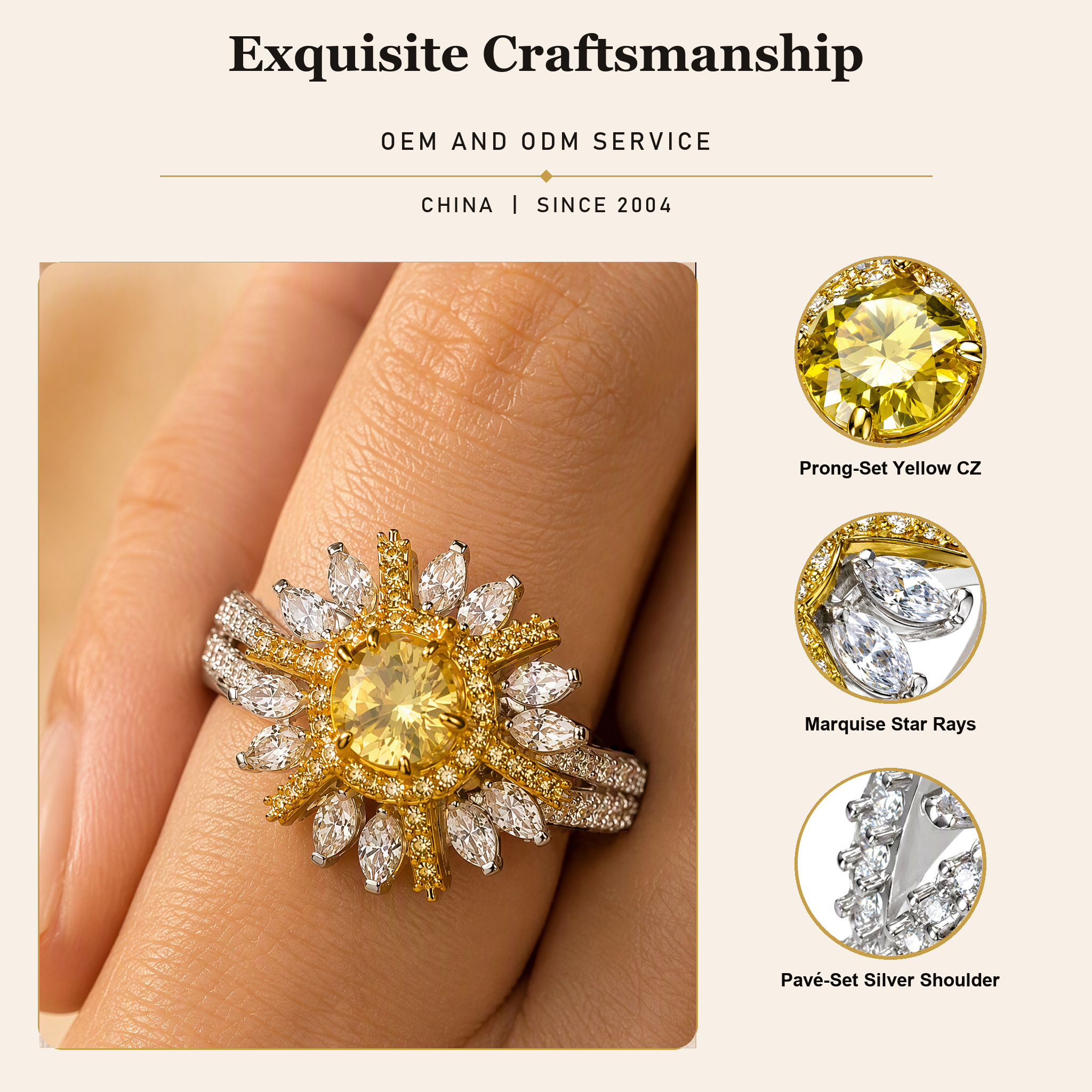
Maintenance Instructions: Providing customers with care instructions is essential. Advise them to store earrings in a dry place away from direct sunlight and to clean them with a soft cloth to prevent tarnishing. Additionally, suggest options like Custom Gemstone Rings 925 Silver Radiant Star Yellow OEM that might complement their antique earrings.

Market Adaptation: In some markets, earrings might be paired with specific outfits or occasions. Understanding these cultural contexts can help in positioning the product effectively.

Where to Find Trusted Suppliers of Antique Sterling Earrings

Where to Find Trusted Suppliers of Antique Sterling Earrings

Finding a reliable supplier for antique sterling earrings involves researching potential manufacturers and evaluating their credentials.

Industry Trade Shows: Participating in trade shows can provide valuable opportunities to meet suppliers face-to-face. This allows buyers to inspect product quality and negotiate terms directly.

Online Marketplaces and Directories: Websites such as Alibaba, ThomasNet, and Maker’s Row list various manufacturers. Always check reviews and ratings to gauge supplier reliability.

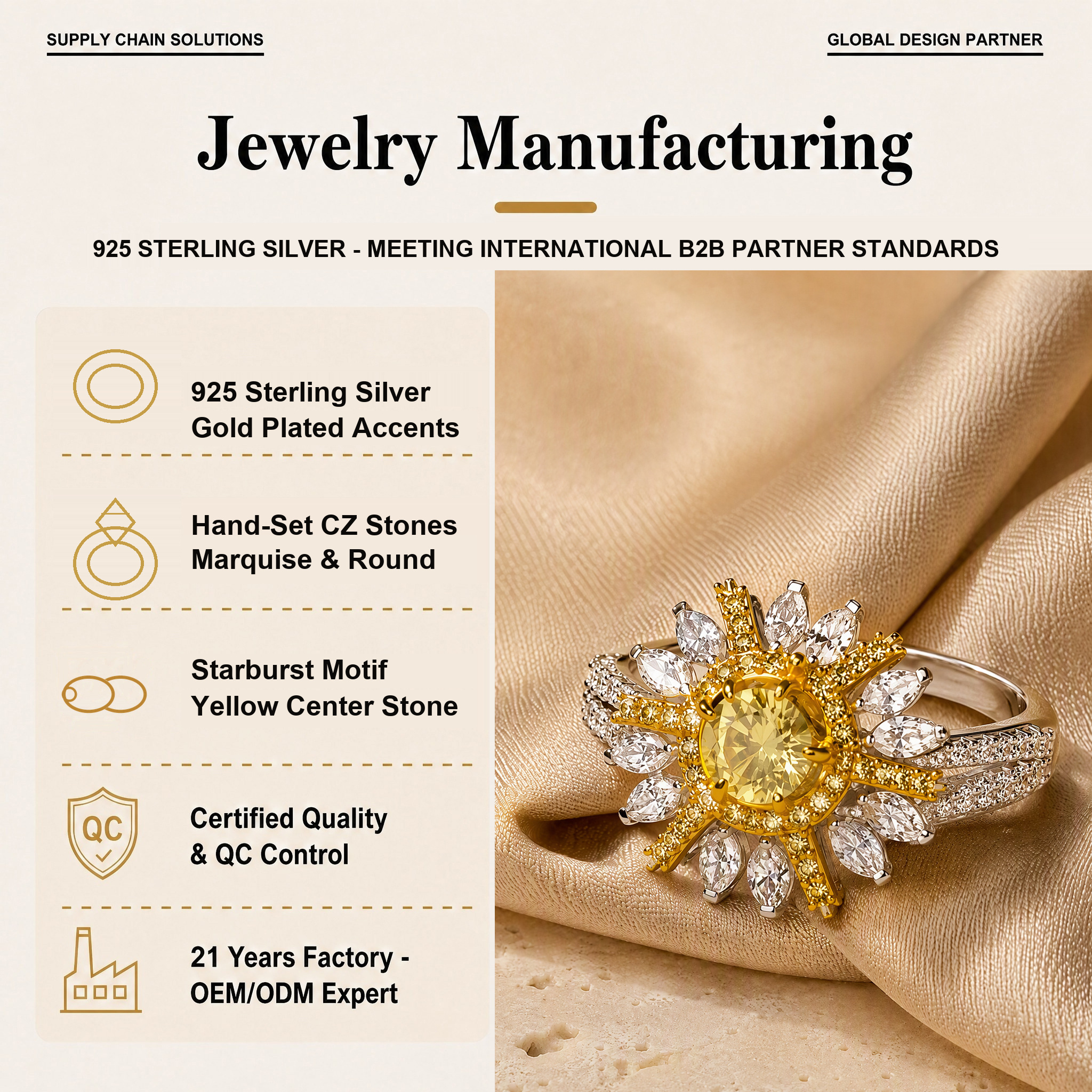
Manufacturer Credentials: When selecting suppliers, inquire about their certifications, production capabilities, and quality control processes. For example, a manufacturer like Shenzhen Beyaly Jewelry Manufacture Co., Ltd., known for its OEM/ODM services, should provide evidence of its quality assurance practices.

Samples and Prototypes: Before placing a large order, request samples to assess quality firsthand. This step is crucial in determining whether the earrings meet your specifications and expectations.

Common Problems with Antique Sterling Earrings and Their Solutions

While antique sterling earrings can be a beautiful addition to any jewelry collection, they can also present certain challenges.

Tarnishing: Sterling silver is prone to tarnishing over time. Encourage customers to clean their earrings regularly and consider offering anti-tarnish pouches as part of the product packaging.

Sizing Issues: Buyers should ensure that the earrings’ hooks or posts fit well for different earlobe types. Providing various size options can help accommodate a broader customer base.

Durability Concerns: Antique earrings can be delicate. Advise customers on proper handling and storage to avoid damage. Suppliers should also consider the use of stronger materials for components like clasps and hooks.

Authenticity Verification: As the market for antique jewelry grows, so does the risk of counterfeit products. Encourage buyers to request documentation or professional appraisals to confirm authenticity.

By understanding these specifications, cost factors, installation guidelines, supplier options, and common issues, B2B buyers can make informed decisions when sourcing antique sterling earrings. This knowledge not only enhances purchasing confidence but also contributes to building a successful jewelry business.

Key Specifications to Evaluate When Sourcing Antique Sterling Earrings

When sourcing antique sterling earrings, the first step is to evaluate critical specifications that directly impact their quality and appeal.

Material Composition: Ensure that the earrings are made from genuine sterling silver, which is 92.5% pure silver. This level of purity is essential for maintaining the integrity and value of the jewelry. Buyers should verify the metal content and inquire about any additional alloys used, which can affect tarnishing and overall durability.

Design and Craftsmanship: Antique earrings often feature intricate designs indicative of specific historical periods. Understanding the craftsmanship is vital; look for hallmarks or stamps that signify authenticity. High-quality construction will not only enhance the aesthetic appeal but also ensure longevity.

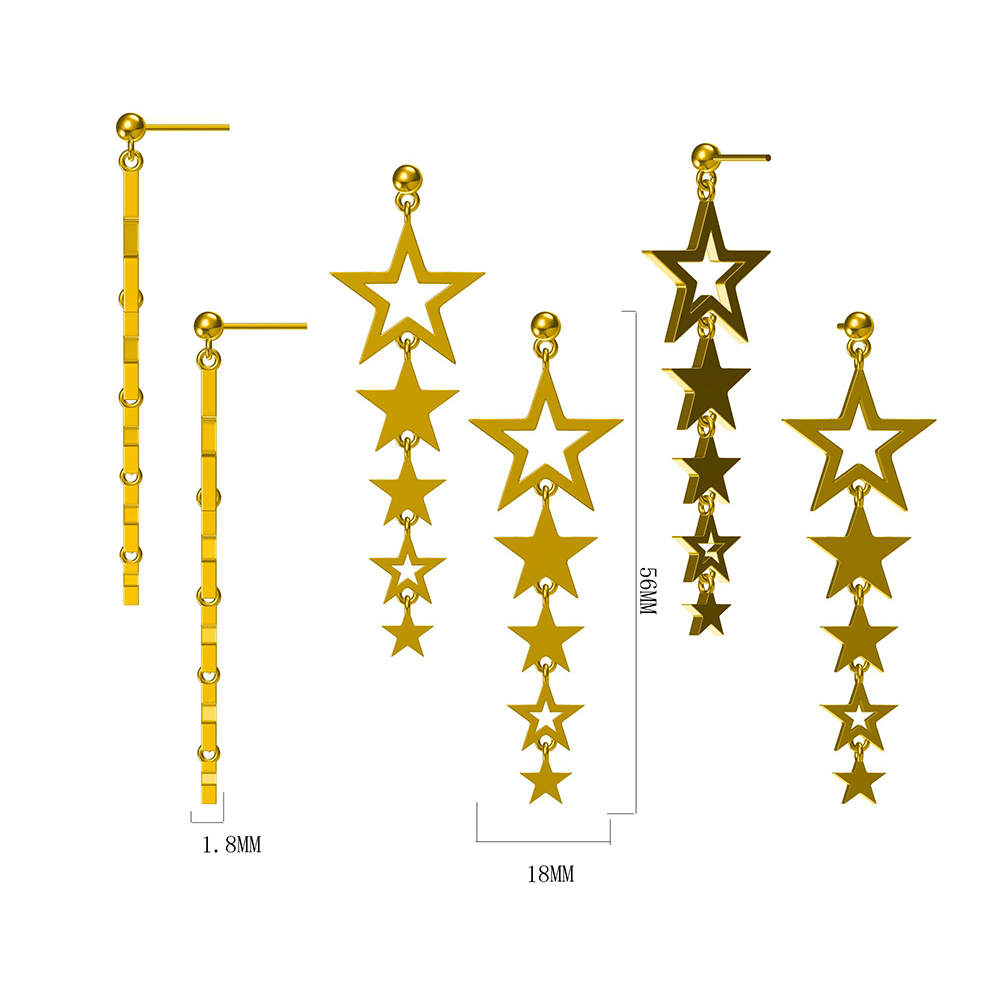
Dimensions and Weight: The size and weight of the earrings can influence comfort and wearability. Ensure that the dimensions align with customer preferences and market trends. Lighter designs may appeal to a broader audience, while more substantial pieces may attract collectors.

Finish and Surface Treatment: Examine the finish—polished, matte, or oxidized—as this can affect the visual appeal and maintenance requirements. A well-executed finish can significantly enhance the product's attractiveness.

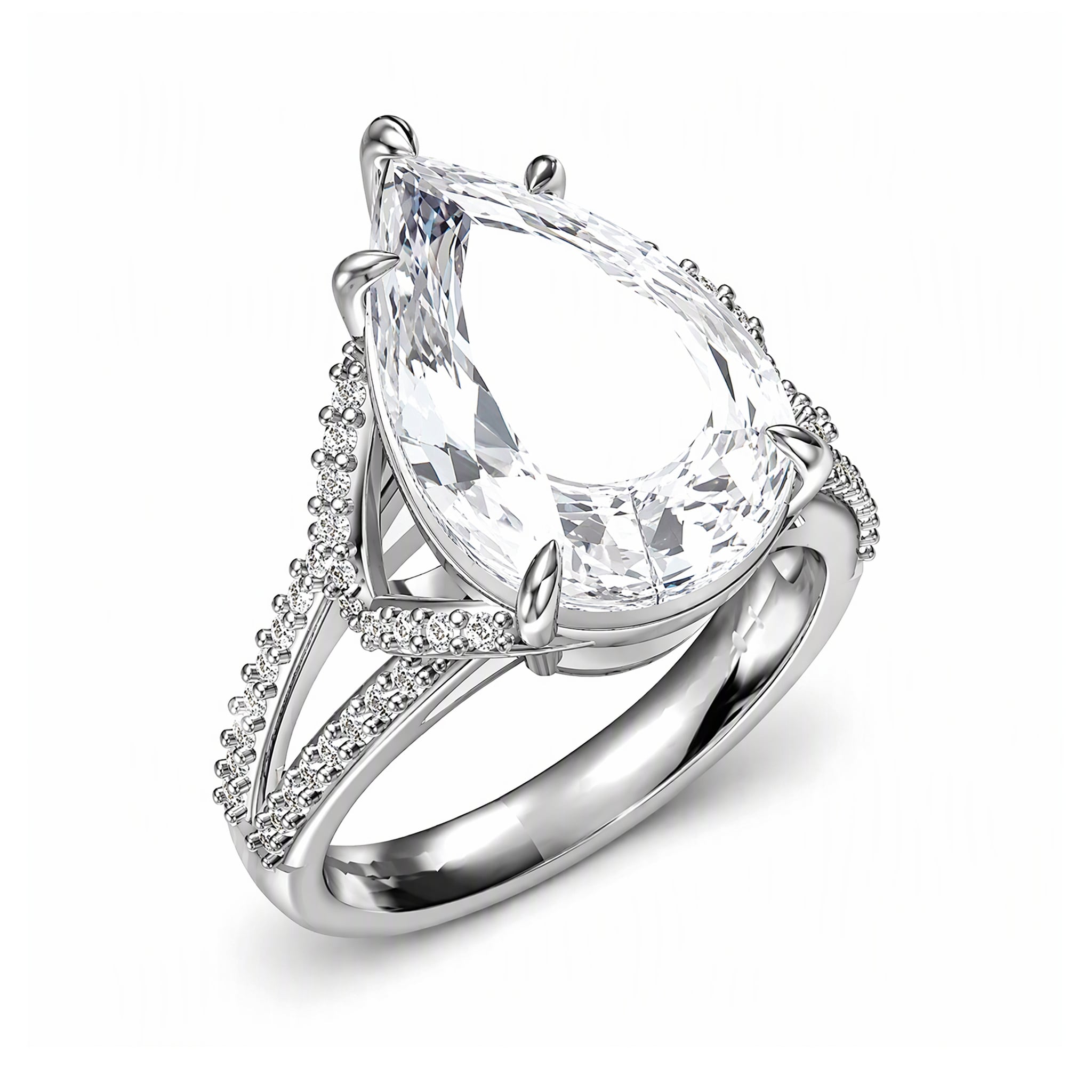
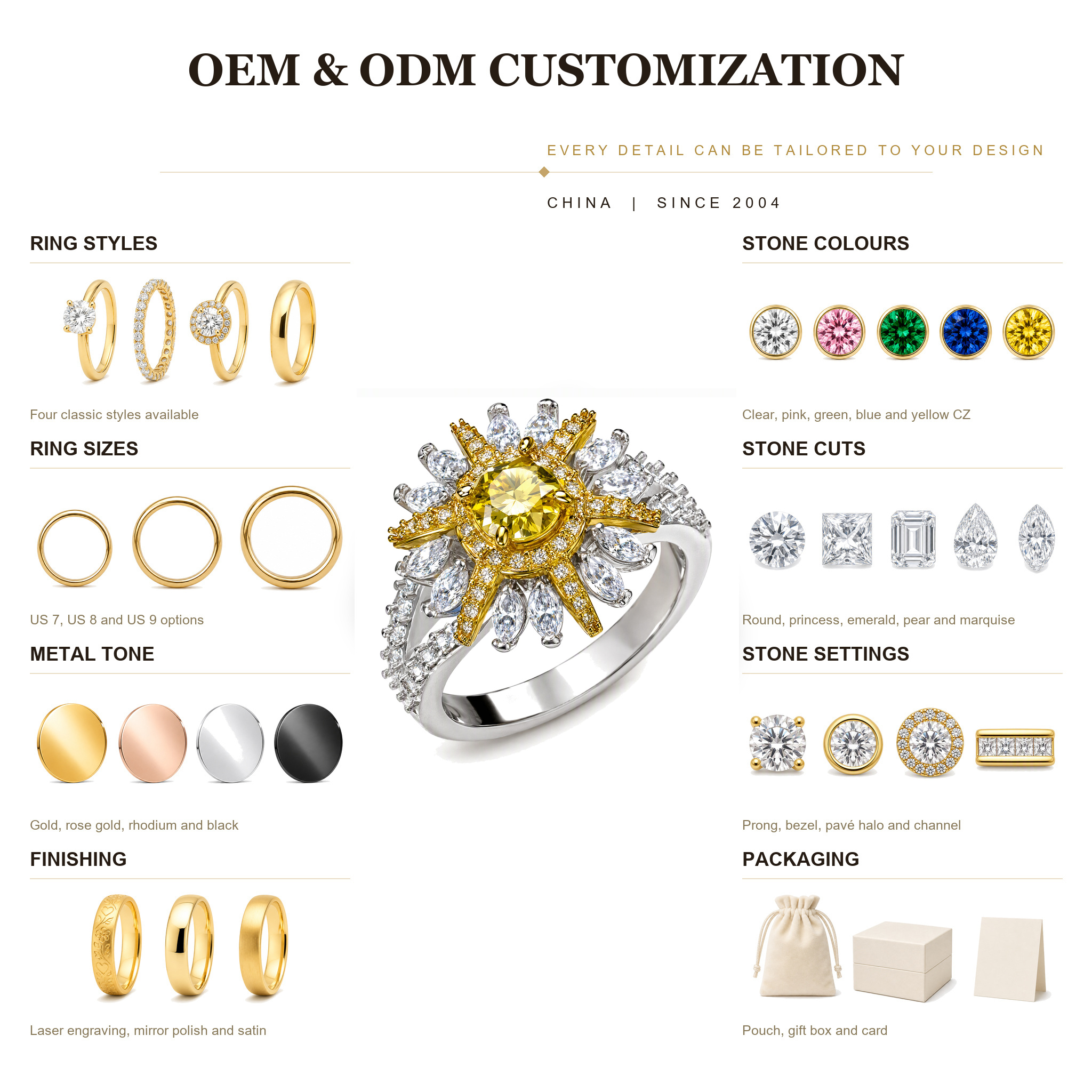
Customization Options: Many manufacturers, like Shenzhen Beyaly Jewelry Manufacture Co., Ltd., offer customization capabilities. Determine whether the supplier can accommodate specific design requests or modifications to meet customer preferences. For instance, exploring options like Custom Design Rings 925 Silver Pear 8x12 CZ V Band OEM can provide unique value.

Get a Free Quote

Our representative will contact you soon.
0/1000