Key Specifications and Cost Factors in Brass Necklaces

application/brass-necklace, application/brass-necklace, 
Inquiry
Inquiry

brass necklace

Brass necklaces are a popular choice in the jewelry market, particularly among B2B buyers seeking customizable options for their brands. Understanding the specifications, manufacturing processes, and potential challenges associated with brass necklaces is crucial for importers, purchasing managers, and product managers. This article delves into essential aspects of brass necklaces, offering practical insights that will assist buyers in making informed purchasing decisions.

Understanding the Cost Factors in Brass Necklace Manufacturing

Understanding the Cost Factors in Brass Necklace Manufacturing

Several factors influence the cost of manufacturing brass necklaces:

Material Costs: The price of copper and zinc fluctuates based on market conditions, which directly impacts production costs. Buyers should stay informed about current market trends to anticipate pricing changes.

Production Volume: Economies of scale play a significant role. Larger orders can reduce the per-unit cost, making it crucial for buyers to evaluate their minimum order quantity (MOQ) and how it aligns with their sales projections.

Labor Costs: Skilled craftsmanship is essential for high-quality jewelry. Regions with higher labor costs may lead to increased production expenses. Buyers should consider the manufacturing location and its associated labor market when evaluating suppliers.

Lead Time: Rush orders can incur additional fees. Understanding the supplier's production capabilities and lead times can help importers plan their inventory needs and avoid last-minute costs.

Common Issues with Brass Necklaces and Effective Solutions

Common Issues with Brass Necklaces and Effective Solutions

Importers may encounter several common issues when dealing with brass necklaces:

Tarnishing: Brass is prone to tarnishing over time. To mitigate this, manufacturers can apply protective coatings. Buyers should inquire about maintenance recommendations and coatings that can enhance longevity.

Quality Inconsistencies: Variability in craftsmanship can lead to inconsistencies in product quality. Implementing a robust quality control process is essential. Buyers should request samples for approval before mass production and ensure that the manufacturer adheres to strict quality standards.

Design Failures: Sometimes, designs do not translate well from concept to production. Engaging in thorough communication with the manufacturer about design expectations and conducting pre-production samples can help identify potential issues early on.

Shipping Damage: Jewelry is delicate, and improper packaging can lead to damage during transport. Buyers should discuss packaging methods with suppliers to ensure products are adequately protected, minimizing the risk of damage.

Applications of Brass Necklaces in Various Industries

Applications of Brass Necklaces in Various Industries

Brass necklaces find applications across several industries:

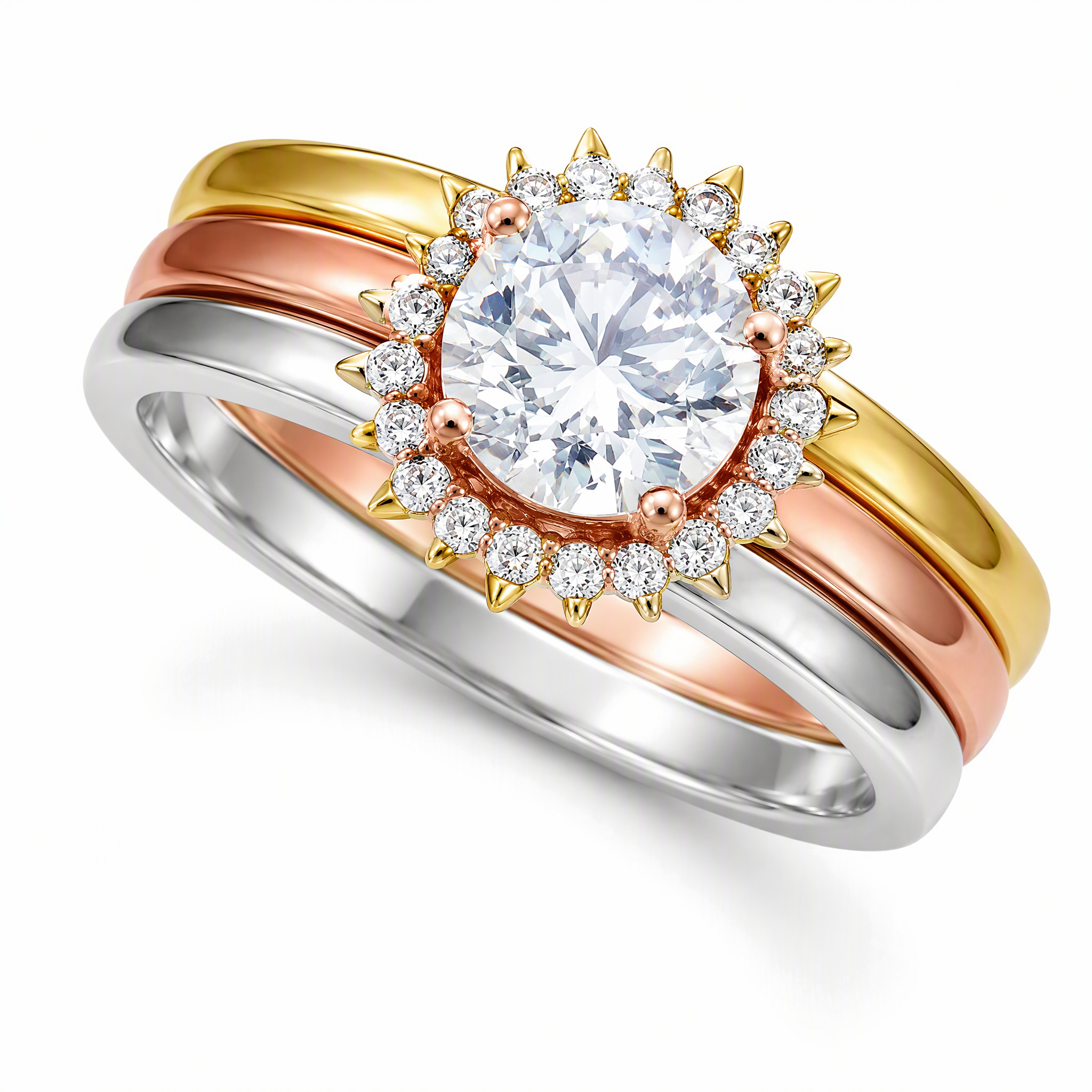
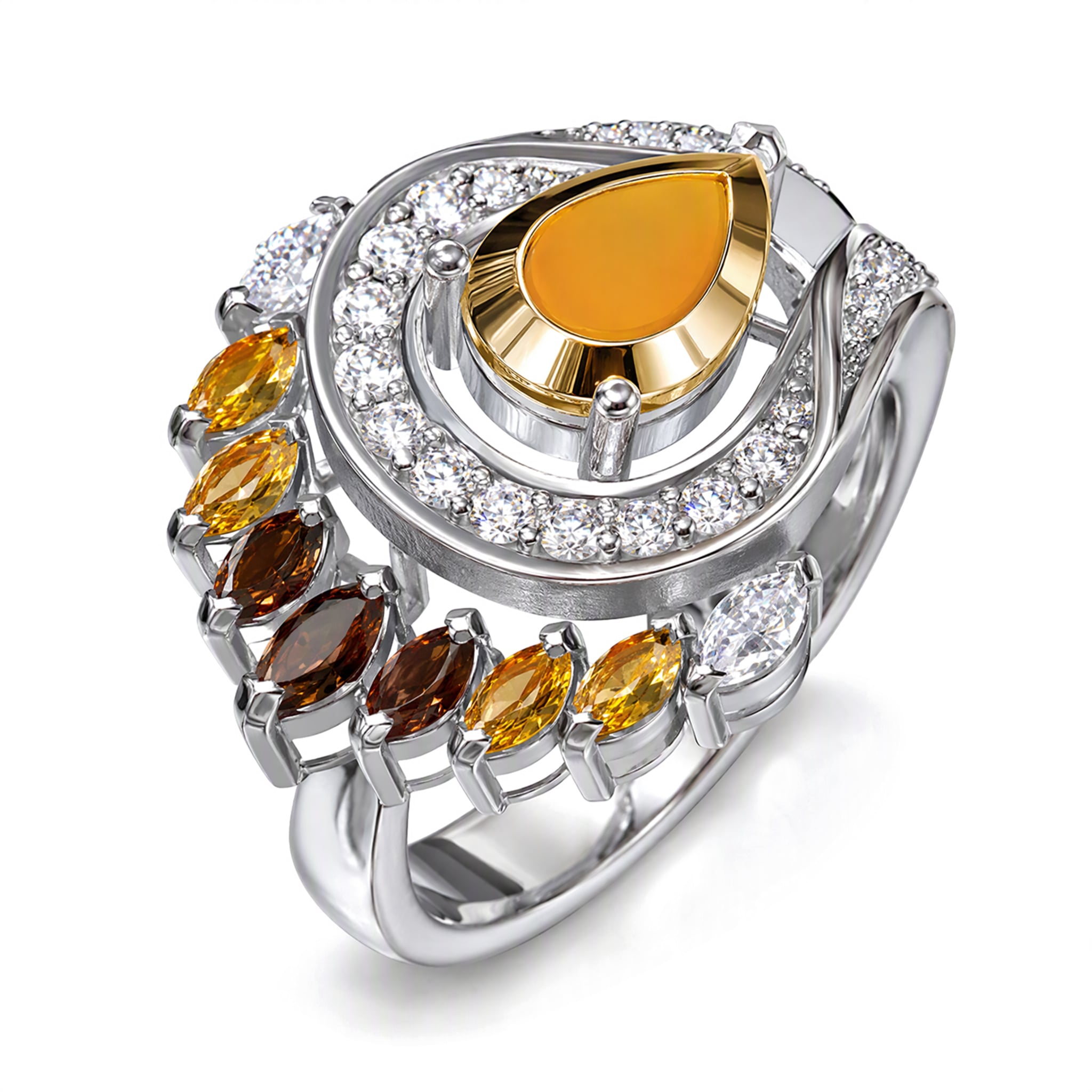
Fashion Retail: Many fashion brands incorporate brass necklaces into their collections for their affordability and stylish appeal. Importers in the fashion industry should consider current trends and how brass necklaces can complement their offerings. They might explore options like Custom Gemstone Rings 925 Silver Golden Teardrop OEM to enhance their product lines.

Promotional Products: Companies often use customized brass necklaces as promotional items. These products can be designed with logos or branding, making them effective marketing tools for businesses looking to enhance brand visibility.

Crafts and DIY: Brass necklaces are popular in the crafting community for custom jewelry making. Importers targeting this market should consider offering bulk options and a variety of styles to attract DIY enthusiasts.

Cultural Significance: In some cultures, brass jewelry holds significant value and is used in traditional attire. Understanding the cultural context can help brands tailor their products to specific market needs.

Material Advantages of Brass Necklaces for Long-lasting Appeal

Brass necklaces offer several material advantages, making them a favorable choice for manufacturers and consumers alike:

Durability: Brass is robust and resistant to wear, making it suitable for everyday jewelry. Importers can market brass necklaces as long-lasting accessories that maintain their beauty over time.

Cost-Effectiveness: Compared to other metals like gold or silver, brass is more affordable, allowing brands to offer stylish options without a high price tag. This cost advantage can appeal to budget-conscious consumers.

Versatility: Brass can be easily shaped and styled into various designs, from minimalist to elaborate. This versatility allows brands to cater to diverse consumer preferences, enhancing market appeal.

Aesthetic Appeal: The warm tones of brass can complement various styles and skin tones, making it a popular choice for jewelry. This aesthetic advantage can be highlighted in marketing efforts to attract consumers.

By understanding these aspects of brass necklaces, B2B buyers can make informed decisions that align with their business needs. Whether considering specifications, cost factors, or material advantages, having a comprehensive knowledge base will enhance purchasing strategies and supplier evaluations.

Key Specifications to Consider in Brass Necklaces for Importers

When sourcing brass necklaces, several key specifications should be evaluated:

Material Composition: Brass is primarily composed of copper and zinc. The ratio affects the necklace's color, durability, and resistance to tarnishing. Buyers should inquire about the specific alloy used, as variations can influence the final product's quality and appearance.

Dimensions: The thickness and length of the necklace are vital. These dimensions must align with design specifications to ensure the final product meets aesthetic and functional requirements. Importers should confirm dimensions with the manufacturer, as slight variations can affect the overall look and wearability of the piece.

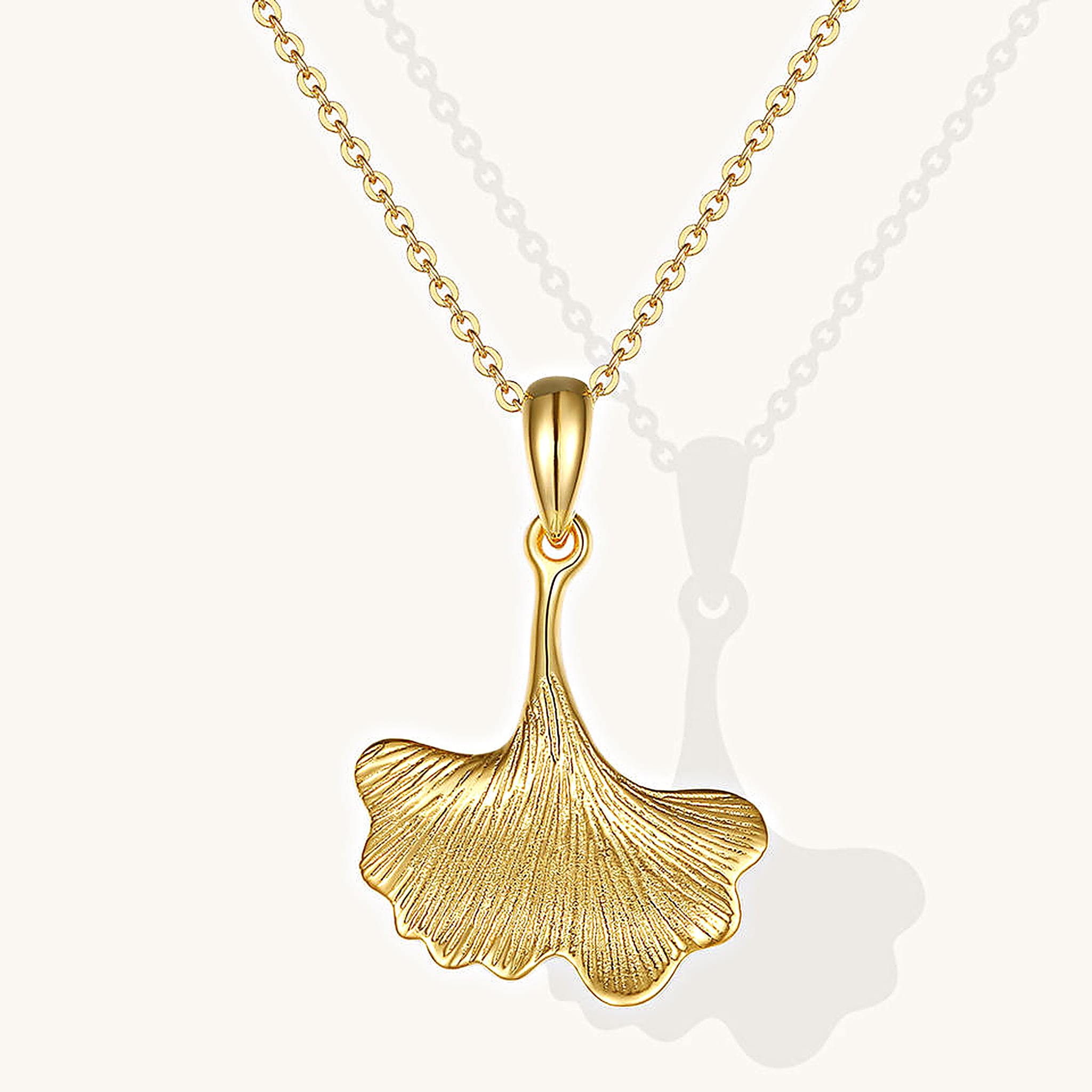
Finishing Options: Surface treatments such as plating (e.g., gold or silver) can enhance the aesthetic appeal of brass necklaces. Buyers must assess the type of finish used, as this will impact both appearance and durability. A high-quality finish can prevent tarnishing and scratching, extending the product's life.

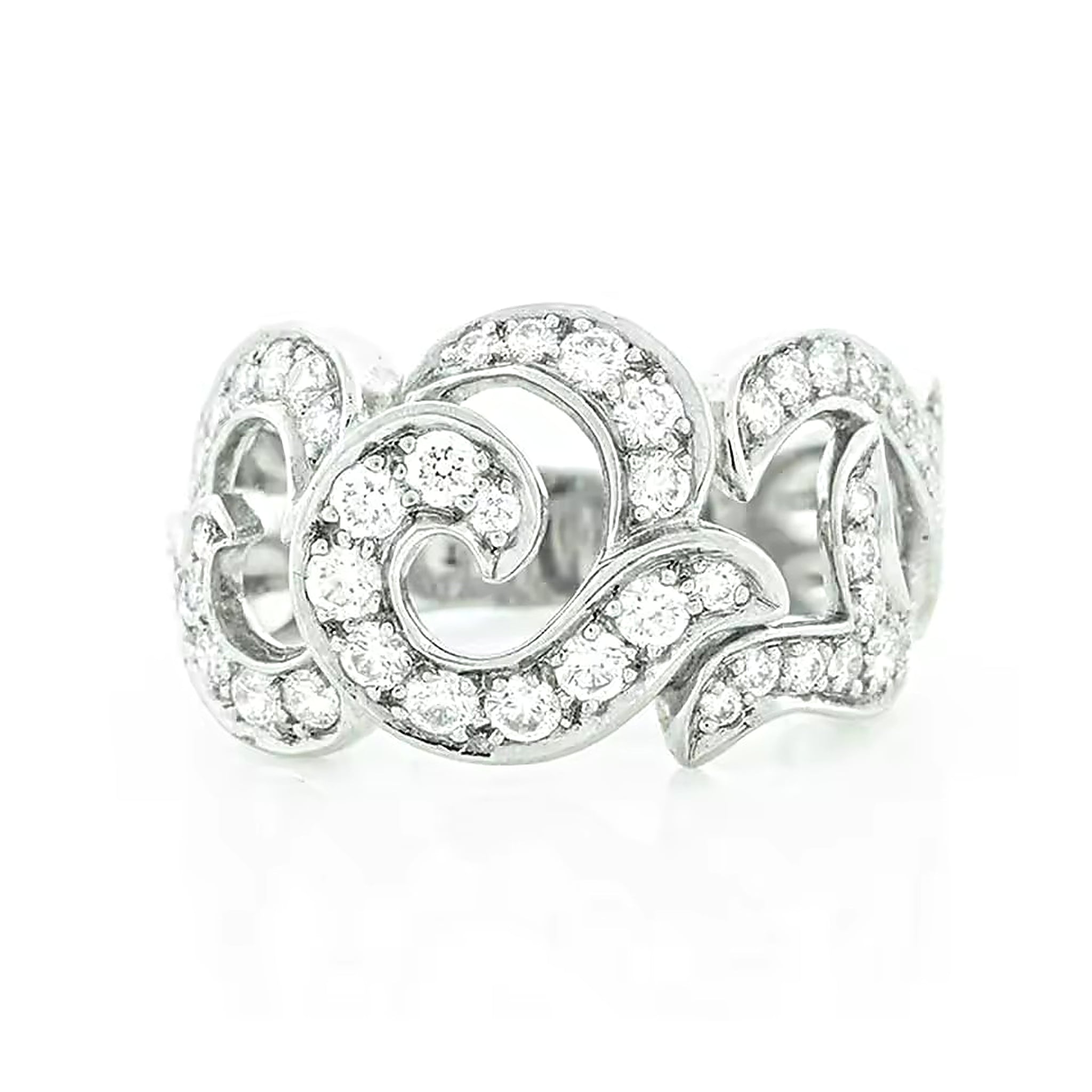
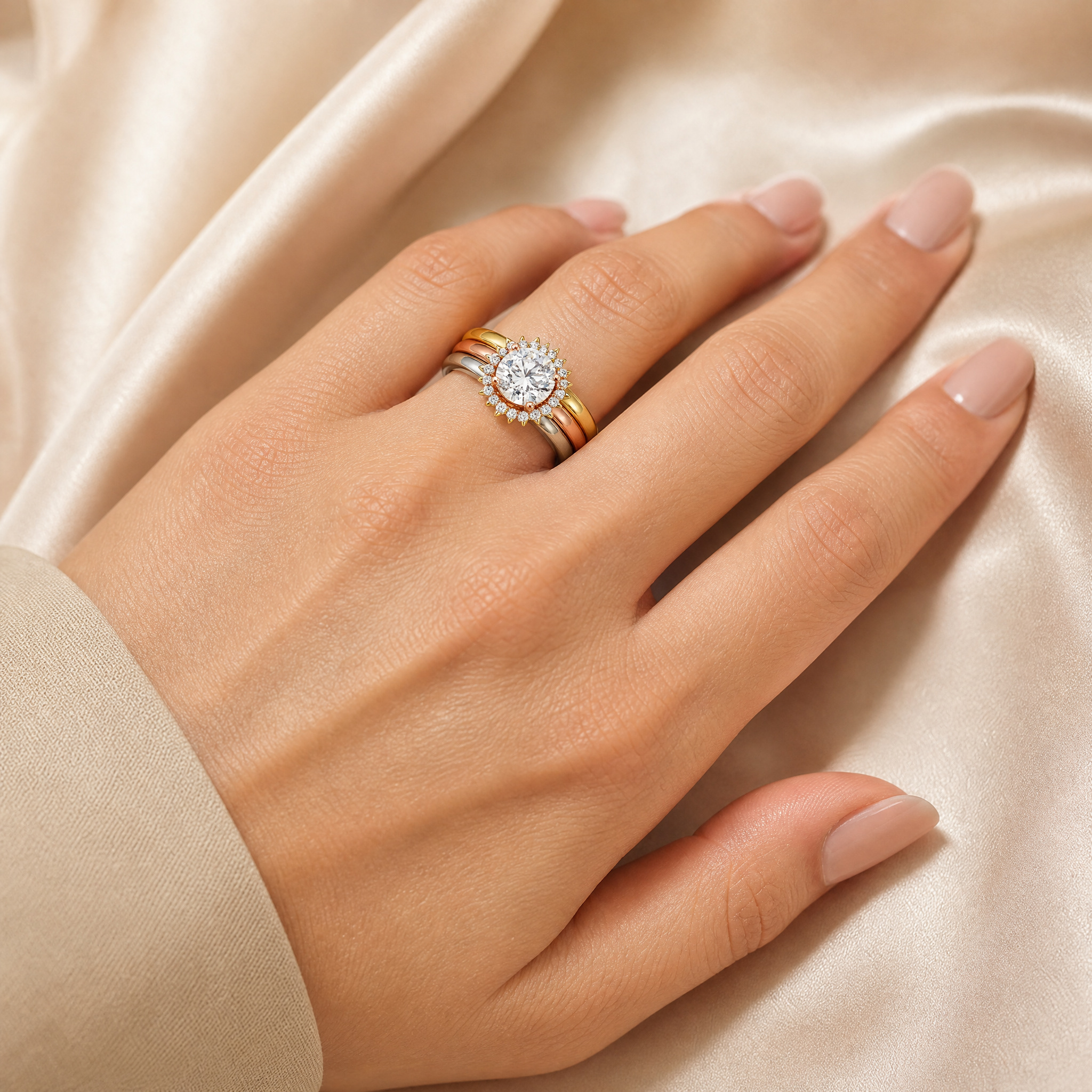
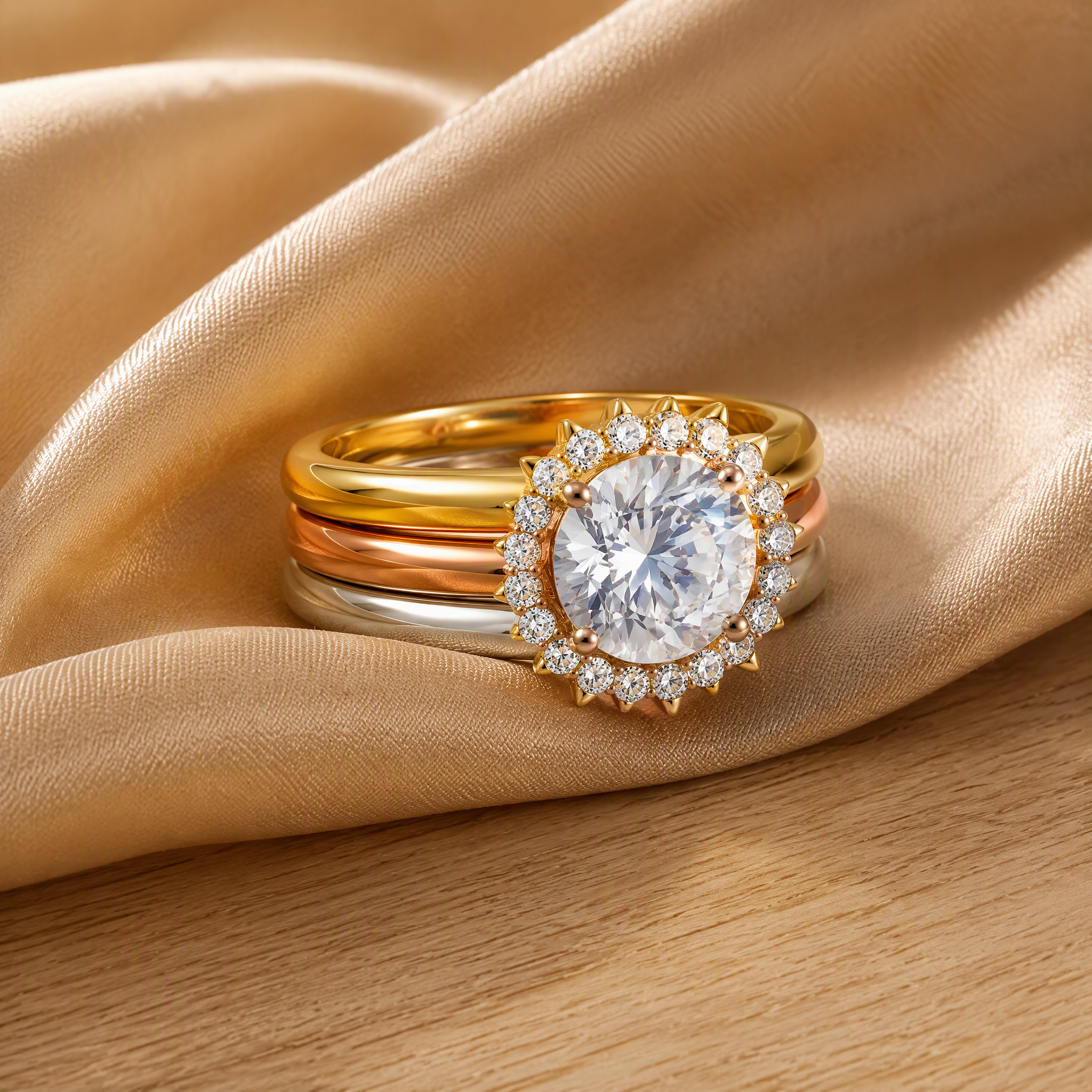
Customization Capabilities: Importers often seek unique designs. Suppliers should be able to offer customization options, such as engraving or unique pendant shapes. Understanding the limits of customization will help buyers align their needs with what the manufacturer can deliver. For instance, they might consider options like Custom Rings 925 Silver Rose Gold Swirl Marquise OEM to provide a distinct touch.

Get a Free Quote

Our representative will contact you soon.
0/1000