Sourcing Quality Silver Pendant Necklaces for Retail

application/silver-pendant-necklace, application/silver-pendant-necklace, 
Inquiry
Inquiry

silver pendant necklace

When sourcing silver pendant necklaces, understanding the key specifications, quality assessments, and manufacturing processes is essential for B2B buyers. This article aims to address the main concerns of purchasing managers and distributors, providing insights on what to consider when looking to invest in silver pendant necklaces for retail or bulk distribution.

How to Assess the Quality of Silver Pendant Necklaces for Bulk Orders

How to Assess the Quality of Silver Pendant Necklaces for Bulk Orders

Assessing the quality of silver pendant necklaces before placing a bulk order is crucial for maintaining brand integrity and customer satisfaction. Here are key evaluation points:

Sample Approval: Before committing to a bulk order, request samples. This allows for the evaluation of craftsmanship, weight, and overall aesthetic. Pay attention to details such as surface smoothness, clarity of engravings, and durability of the attachment.

Quality Certifications: Verify if the manufacturer holds relevant quality certifications, such as ISO standards. This can be indicative of their commitment to maintaining high production standards.

Inspection Reports: Request inspection reports from previous orders. These documents provide insights into the manufacturer’s quality control processes and any recurring issues.

Return Policy: Understand the supplier's return policy for defective items. A clear, favorable return policy indicates confidence in their products and can protect your investment.

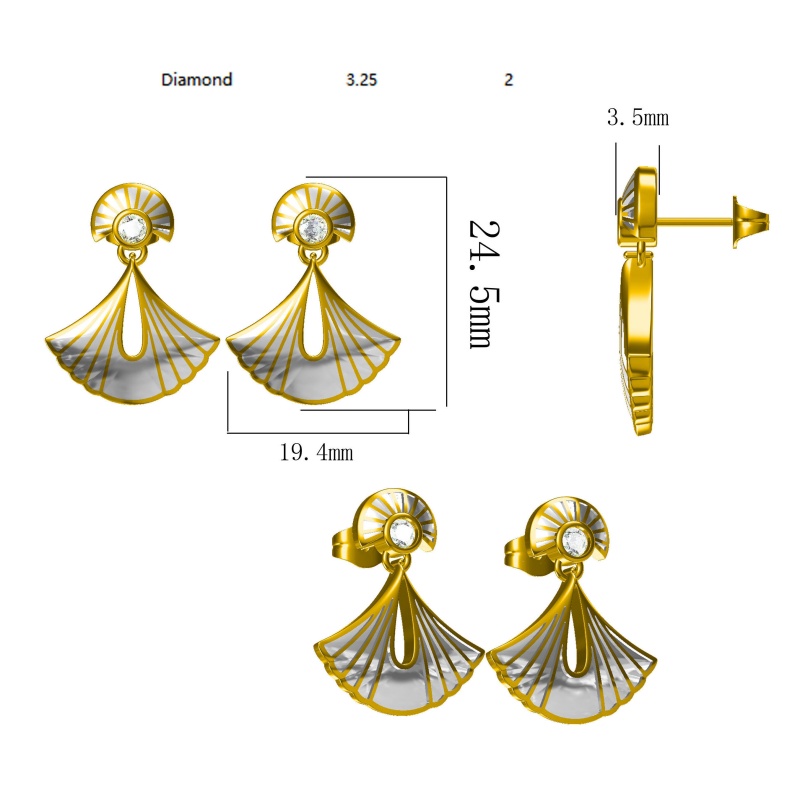
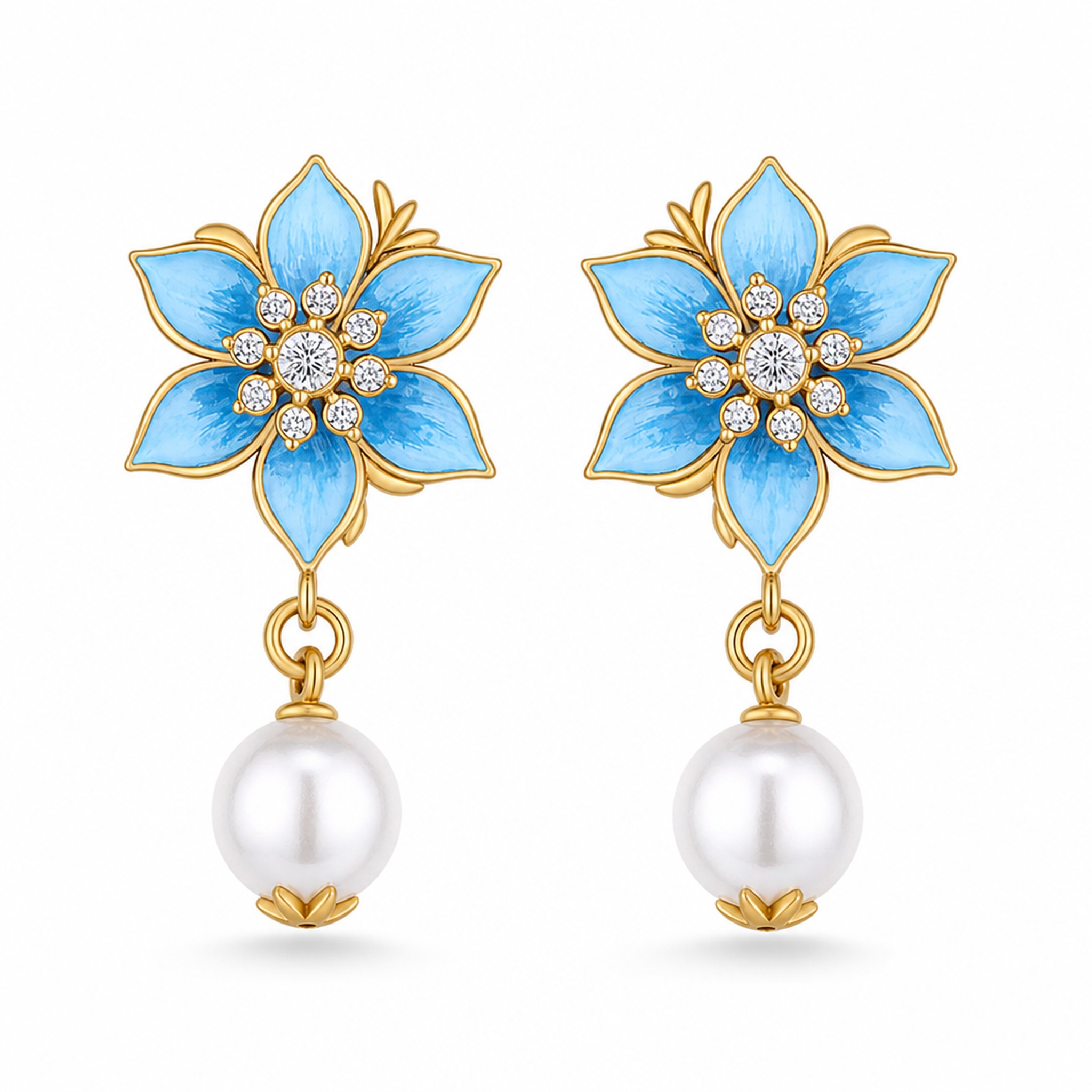
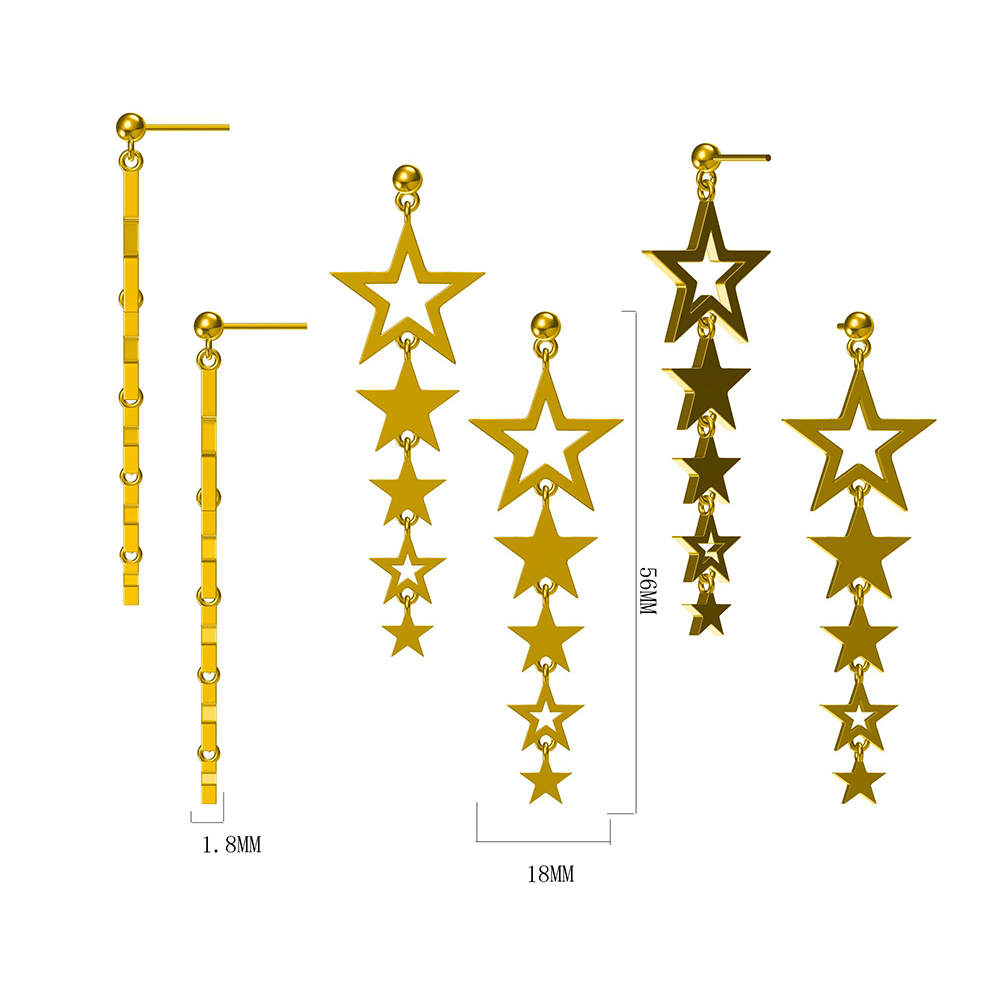
Customer Feedback: Seek feedback from other businesses that have sourced from the manufacturer. Reviews can offer insights into product quality and supplier reliability. Additionally, considering other jewelry items such as earrings can provide a broader view of the supplier's offerings.

By conducting thorough assessments, buyers can significantly reduce the risk of receiving subpar products.

Understanding the Manufacturing Process of Silver Pendant Necklaces

Understanding the Manufacturing Process of Silver Pendant Necklaces

The manufacturing process of silver pendant necklaces involves several stages, each critical to achieving high-quality results:

Design and Prototyping: The process begins with design and prototyping. Advanced software can create 3D models to visualize the final product. Prototyping allows for adjustments before moving into mass production.

Casting: Depending on the design, casting may be used to create the basic shape of the pendant. This could involve lost-wax casting or die casting techniques.

Finishing: After casting, the pendants undergo finishing processes, which may include polishing, anodizing, or applying protective coatings. This step enhances the visual appeal and durability of the necklace.

Quality Control: Quality checks are performed at various stages throughout production. This includes inspecting the weight, dimensions, and overall finish of each piece to ensure they meet specifications.

Packaging: Finally, the necklaces are packaged for shipment. Packaging should protect the jewelry during transport and may also serve as a marketing tool in retail displays.

Understanding this process enables buyers to assess manufacturers based on their capabilities and quality assurance measures.

Cost Factors to Consider When Wholesale Buying Silver Pendant Necklaces

Cost Factors to Consider When Wholesale Buying Silver Pendant Necklaces

Several cost factors influence the pricing of silver pendant necklaces in wholesale purchases:

Material Costs: The price of silver can fluctuate based on market conditions. When sourcing, buyers should consider these fluctuations and factor them into the pricing strategy.

Labor Costs: Labor costs may vary significantly depending on the region where the jewelry is manufactured. Regions with lower labor costs may offer cheaper products but may also affect quality.

Customization Options: Custom designs or unique finishes will typically come at a premium. Buyers should weigh the benefits of customization against the additional costs.

Minimum Order Quantities (MOQs): Suppliers often have MOQs that can affect total cost. Buyers should consider their inventory needs and how MOQs align with their sales forecasts.

Shipping and Duties: International orders may incur additional shipping costs and customs duties. It’s essential to account for these when budgeting for a purchase.

By understanding these cost factors, buyers can make informed decisions that balance quality and budget constraints.

Installation Guidance for Silver Pendant Necklaces in Retail Settings

Installing silver pendant necklaces effectively in retail settings can enhance customer experience and promote sales. Consider the following guidelines:

Display Options: Use neck displays, hooks, or cases that allow customers to see and touch the necklaces. Effective displays can highlight the necklace's features and attract attention.

Signage: Clear signage that explains the uniqueness of the silver pendant necklaces—such as the quality of materials or craftsmanship—can educate consumers and encourage purchases.

Inventory Management: Ensure that display units are regularly stocked and organized. This not only improves the customer experience but also facilitates sales tracking for reordering.

Protection Measures: Implement measures to protect necklaces from damage or theft, such as security tags or locked display cases.

Customer Interaction: Train staff on how to engage customers about the silver pendants. Knowledgeable employees can provide insights into the product, which can enhance the buying experience.

By following these installation and display practices, retailers can optimize their sales potential and improve customer satisfaction with silver pendant necklaces.

Key Specifications to Evaluate When Sourcing Silver Pendant Necklaces

When sourcing silver pendant necklaces, several specifications are crucial to ensure that the product meets quality and aesthetic standards.

Material Composition: The primary material in silver pendant necklaces is sterling silver, which consists of 92.5% silver and 7.5% other metals, usually copper. Buyers should verify the purity of the silver, as lower grades can affect both appearance and durability.

Weight and Dimensions: The weight of the pendant affects both its perceived value and comfort when worn. Dimensions should be specified clearly, as they influence how the pendant hangs and interacts with the chain.

Finish and Surface Treatment: Options like polished, matte, or oxidized finishes can significantly affect the necklace's look and feel. Buyers should consider which finishes best align with their brand image and customer preferences.

Design Complexity: The intricacy of the design impacts manufacturing time and cost. Buyers should ensure that the design can be replicated consistently during mass production.

Attachment Mechanisms: The type of bail or attachment that connects the pendant to the chain is vital for durability and ease of wear. A well-designed attachment will prevent breakage during use.

Understanding these specifications helps buyers select the appropriate products that will appeal to their target market while ensuring they meet quality standards.

Get a Free Quote

Our representative will contact you soon.
0/1000