14 Karat Gold Jewelry: Sourcing and Selection Guide

application/14-karat-gold-jewelry, application/14-karat-gold-jewelry, 
Inquiry
Inquiry

14 karat gold jewelry

When considering the purchase of 14 karat gold jewelry for wholesale, it is essential to understand the unique characteristics and market requirements of this precious metal. 14 karat gold jewelry, which consists of 58.3% gold mixed with other metals like copper or silver, offers durability and a desirable appearance that appeals to various consumers. This article will address key considerations for B2B buyers, including selection criteria, sourcing options, cost factors, common sourcing challenges, and applications across different industries.

Where to Source Reliable 14 Karat Gold Jewelry for Your Business

Where to Source Reliable 14 Karat Gold Jewelry for Your Business

When sourcing 14 karat gold jewelry, it is crucial to identify reliable manufacturers and suppliers. Consider partnering with established companies, like Shenzhen Beyaly Jewelry Manufacture Co., Ltd., which specializes in OEM/ODM jewelry production. Such manufacturers often have the expertise, advanced facilities, and skilled craftsmanship required to produce high-quality pieces.

Explore trade shows and exhibitions where manufacturers showcase their latest collections. This provides an opportunity to evaluate product quality firsthand and establish relationships with suppliers. Online platforms and wholesale marketplaces can also serve as valuable resources for identifying potential vendors.

Before finalizing any supplier, conduct thorough due diligence. Check for certifications, customer reviews, and case studies that demonstrate their reliability and product quality. Establishing clear communication about your requirements, including design, materials, and delivery timelines, is essential for a successful partnership.

Cost Factors to Consider When Purchasing 14 Karat Gold Jewelry

Cost Factors to Consider When Purchasing 14 Karat Gold Jewelry

Understanding the cost structure of 14 karat gold jewelry is vital for making informed purchasing decisions. Several factors contribute to the overall cost, including gold prices, labor costs, and manufacturing processes. As gold prices fluctuate in the market, it is essential to stay informed about current rates to negotiate effectively.

Labor costs can vary depending on the complexity of the jewelry design and the level of craftsmanship required. Intricate pieces may demand more skilled labor, leading to higher production costs. Additionally, consider the cost of customization, as bespoke designs often come with premium pricing.

Minimum order quantities (MOQs) also play a significant role in pricing. Suppliers may offer better rates for larger orders, but it is crucial to balance the benefits of bulk purchasing with your inventory management strategy. Assessing your target market's demand can help you determine the right balance between cost and quantity.

Common Problems in 14 Karat Gold Jewelry Sourcing and Solutions

Common Problems in 14 Karat Gold Jewelry Sourcing and Solutions

Sourcing 14 karat gold jewelry can present various challenges that require proactive solutions. One common issue is inconsistent quality among suppliers. To mitigate this risk, implement a robust quality control process that includes inspecting samples before placing large orders. This ensures that the products meet your specifications and quality standards.

Another challenge is the potential for delays in delivery, which can disrupt your inventory planning. To avoid this, establish clear timelines with your suppliers and include penalties for late deliveries in your contracts. Regular communication can help address any issues quickly.

Buyers may also face difficulties in verifying the authenticity of the gold. Requesting certificates of authenticity and conducting independent assays can help ensure the integrity of the materials used. Educating your team about gold quality standards can further enhance your sourcing process.

Applications of 14 Karat Gold Jewelry for Various Industries

14 karat gold jewelry has a wide range of applications across various industries, making it a versatile choice for wholesalers. In the fashion industry, it is commonly used for creating elegant and timeless pieces that appeal to consumers looking for both style and durability. Jewelry retailers often favor 14 karat gold for its balance of quality and affordability.

The gifting industry also benefits from 14 karat gold jewelry, especially during holidays and special occasions. Customizable options, such as engraved pieces, are popular choices for gifts, making them appealing for wholesalers targeting this market.

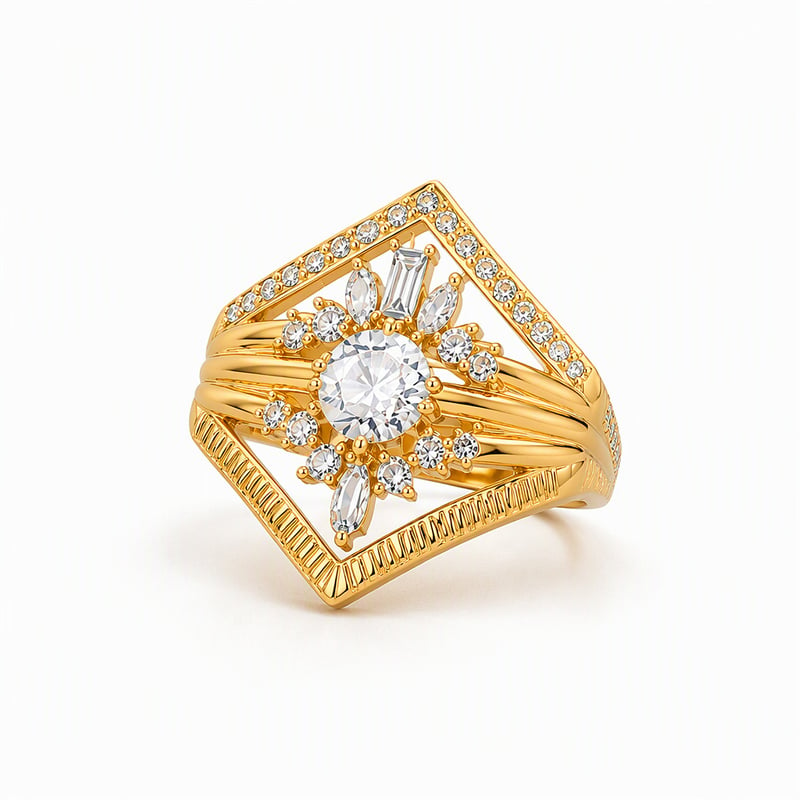
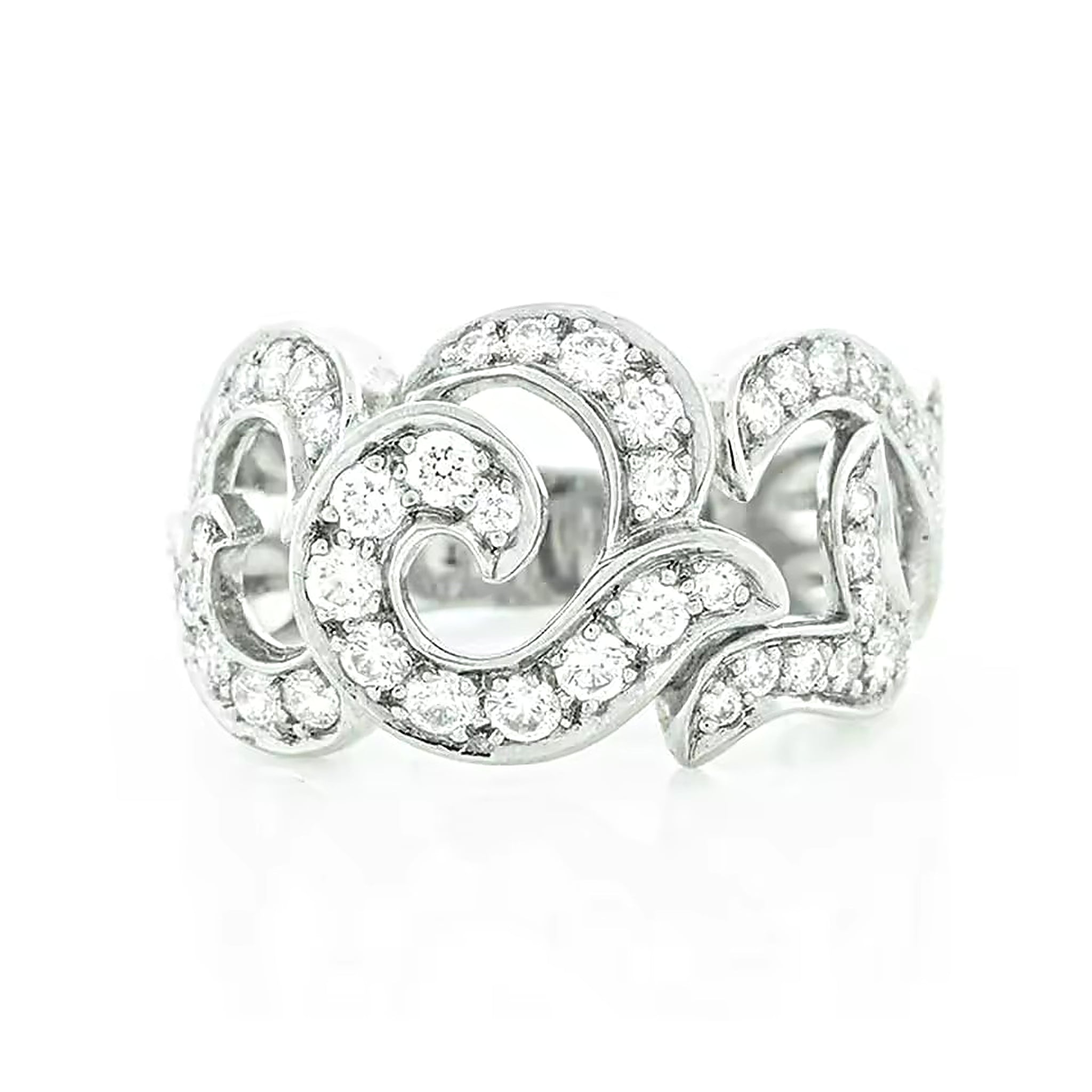
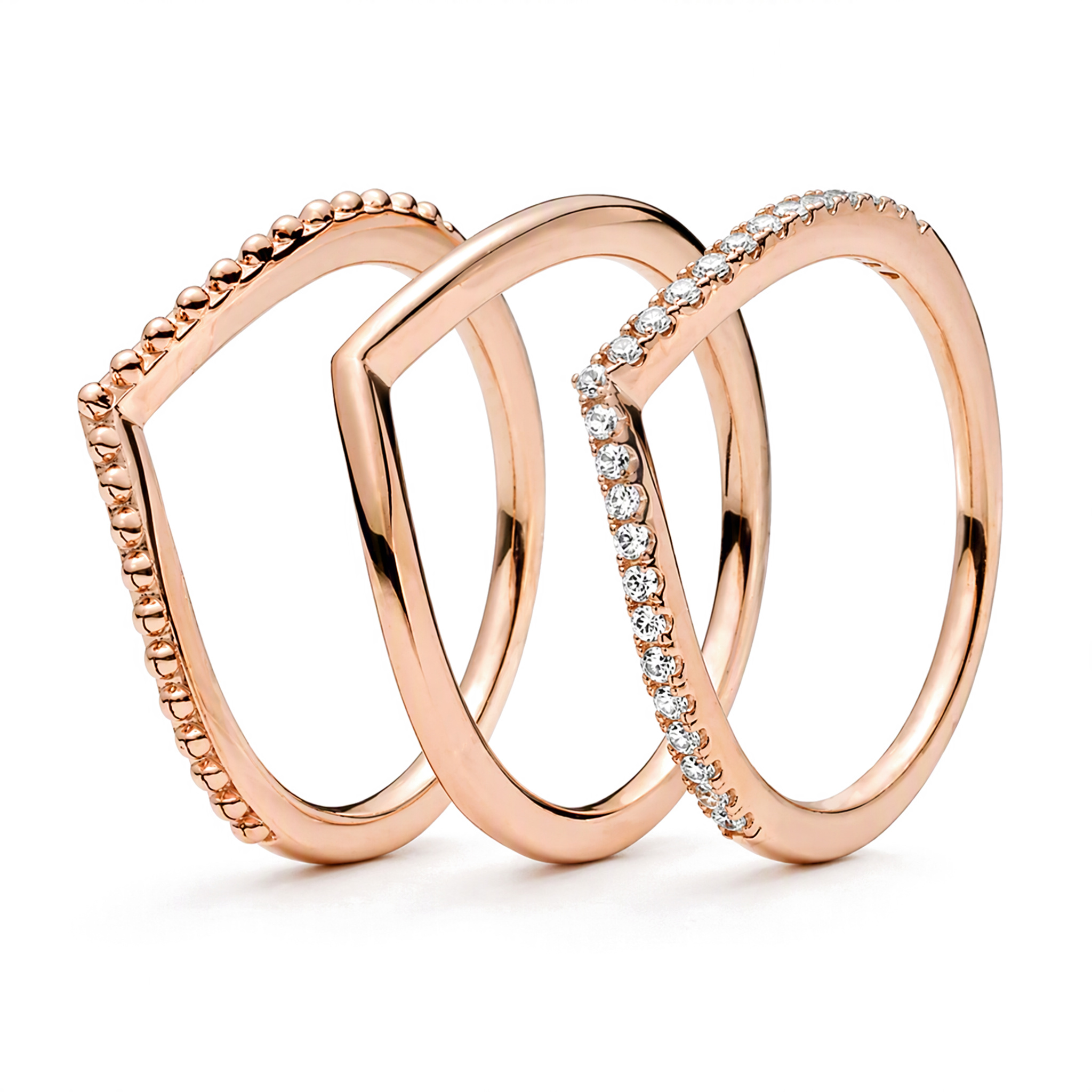
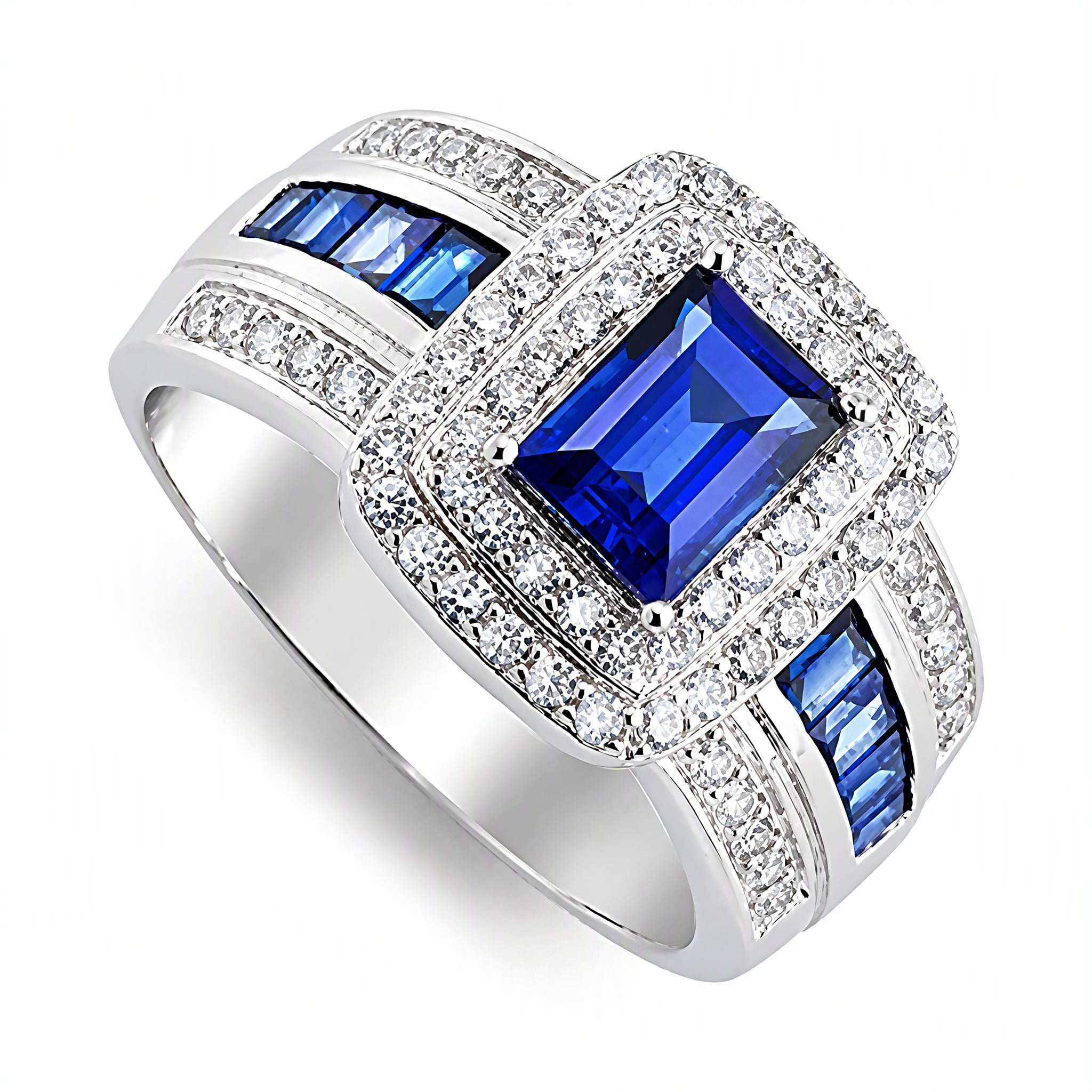
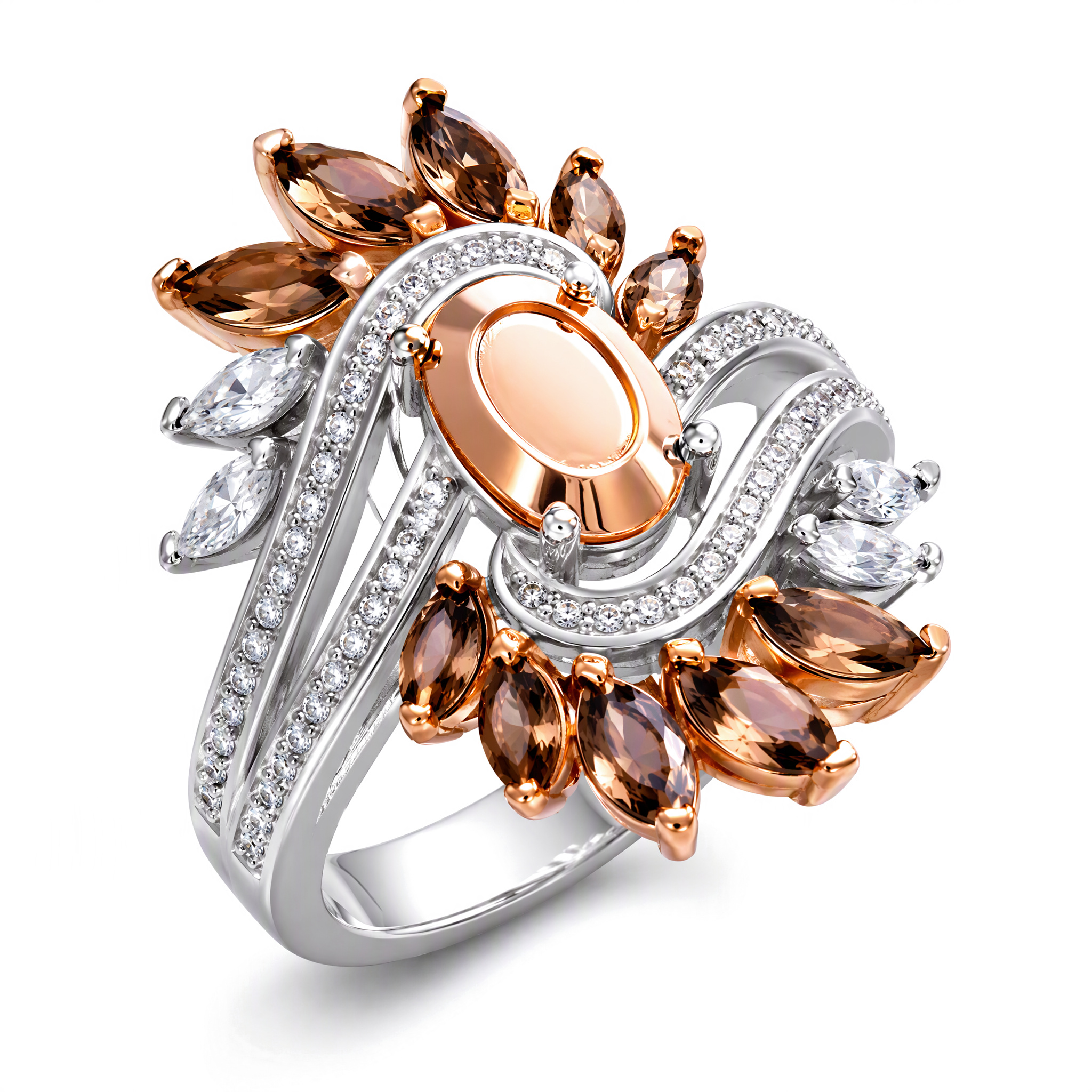
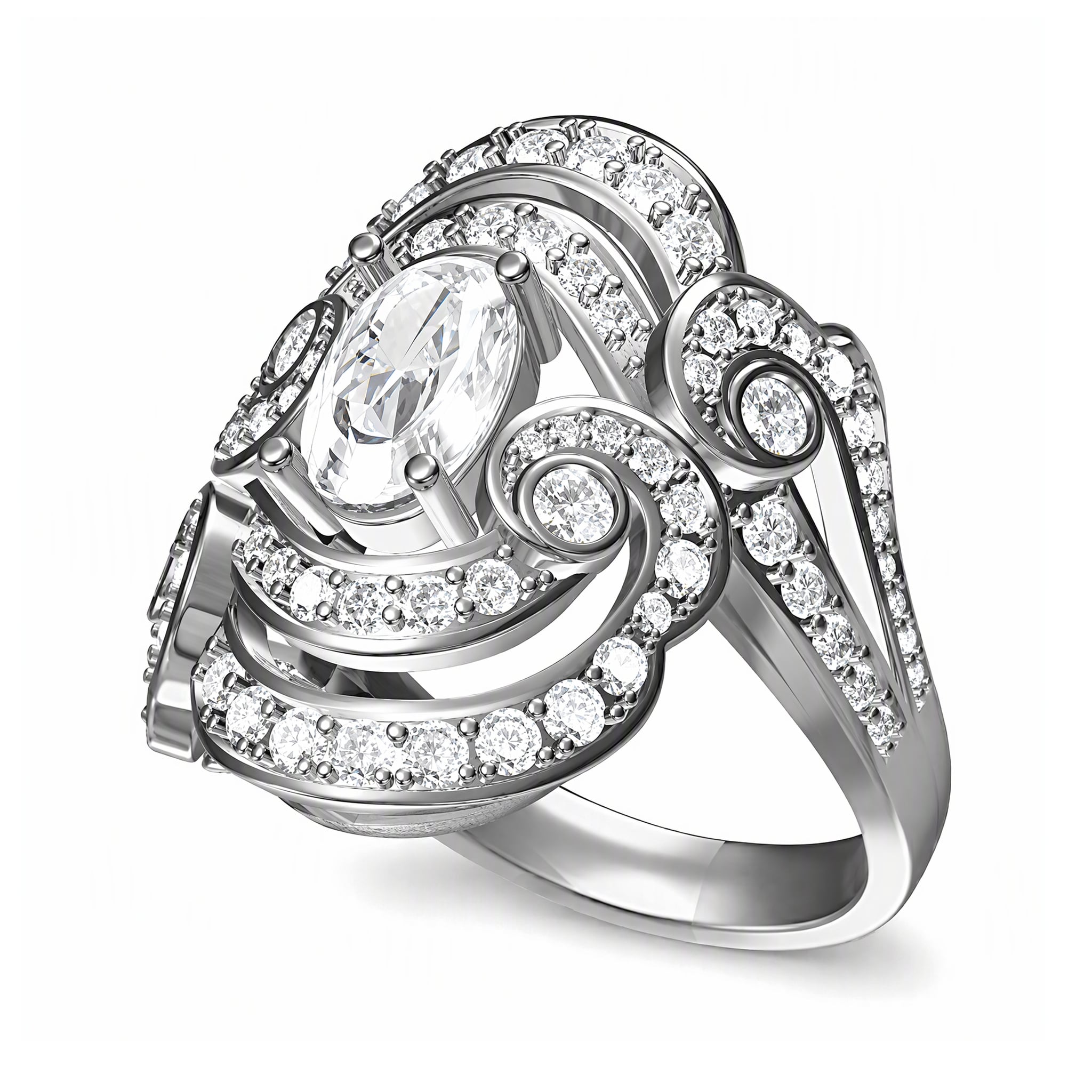
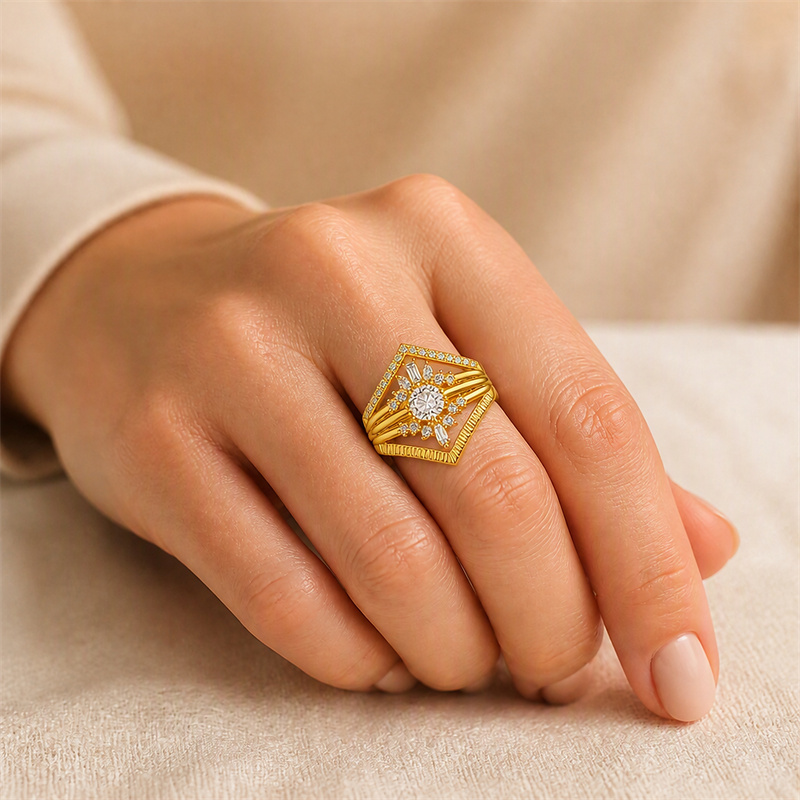
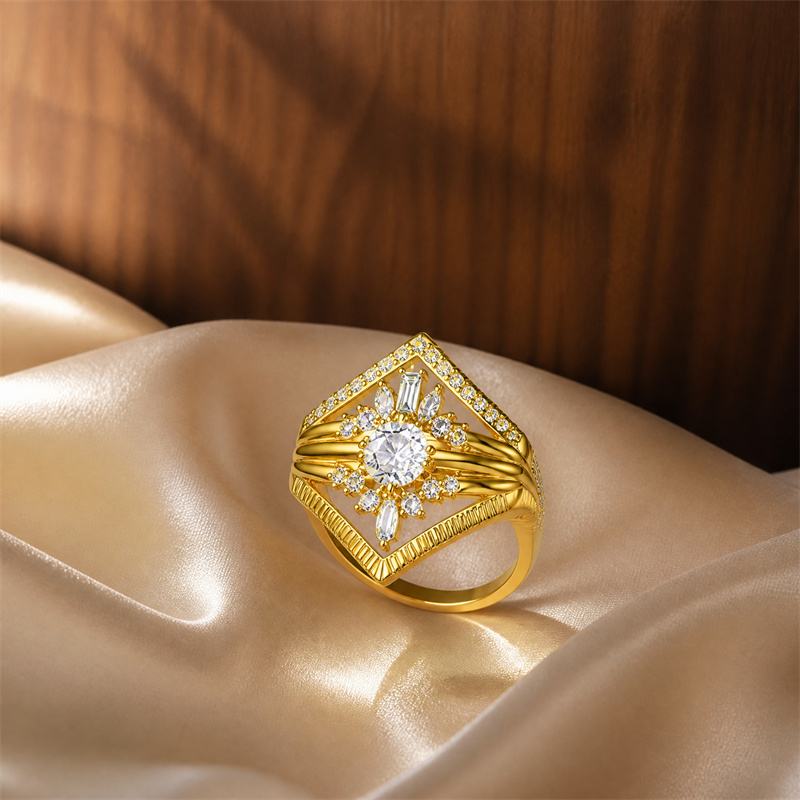
Additionally, the bridal industry frequently incorporates 14 karat gold into wedding bands and engagement rings. The durability of 14 karat gold ensures that these pieces endure daily wear while maintaining their beauty. Wholesalers can leverage this trend by offering a range of bridal jewelry options that cater to diverse customer preferences, including Rings that can be customized for engagements.

Understanding the essential factors when selecting, sourcing, and applying 14 karat gold jewelry is crucial for B2B buyers. By focusing on quality, cost, and industry applications, you can make informed decisions that enhance your business's competitive edge in the jewelry market.

What to Consider When Selecting 14 Karat Gold Jewelry for Wholesale

Selecting the right 14 karat gold jewelry for wholesale involves evaluating several factors that impact its appeal and suitability for your target market. Firstly, consider the jewelry's design and style, which should align with current consumer trends and preferences. Popular styles may include classic pieces, contemporary designs, and custom options that can cater to specific customer demands. For instance, you might explore options like Bracelets & Bangles to meet diverse consumer tastes.

Additionally, focus on the materials used in the jewelry. The alloy composition not only affects the color and appearance of the gold but also its durability and hypoallergenic properties. For instance, jewelry with a higher copper content may have a warmer tone but could be less suitable for customers with sensitive skin.

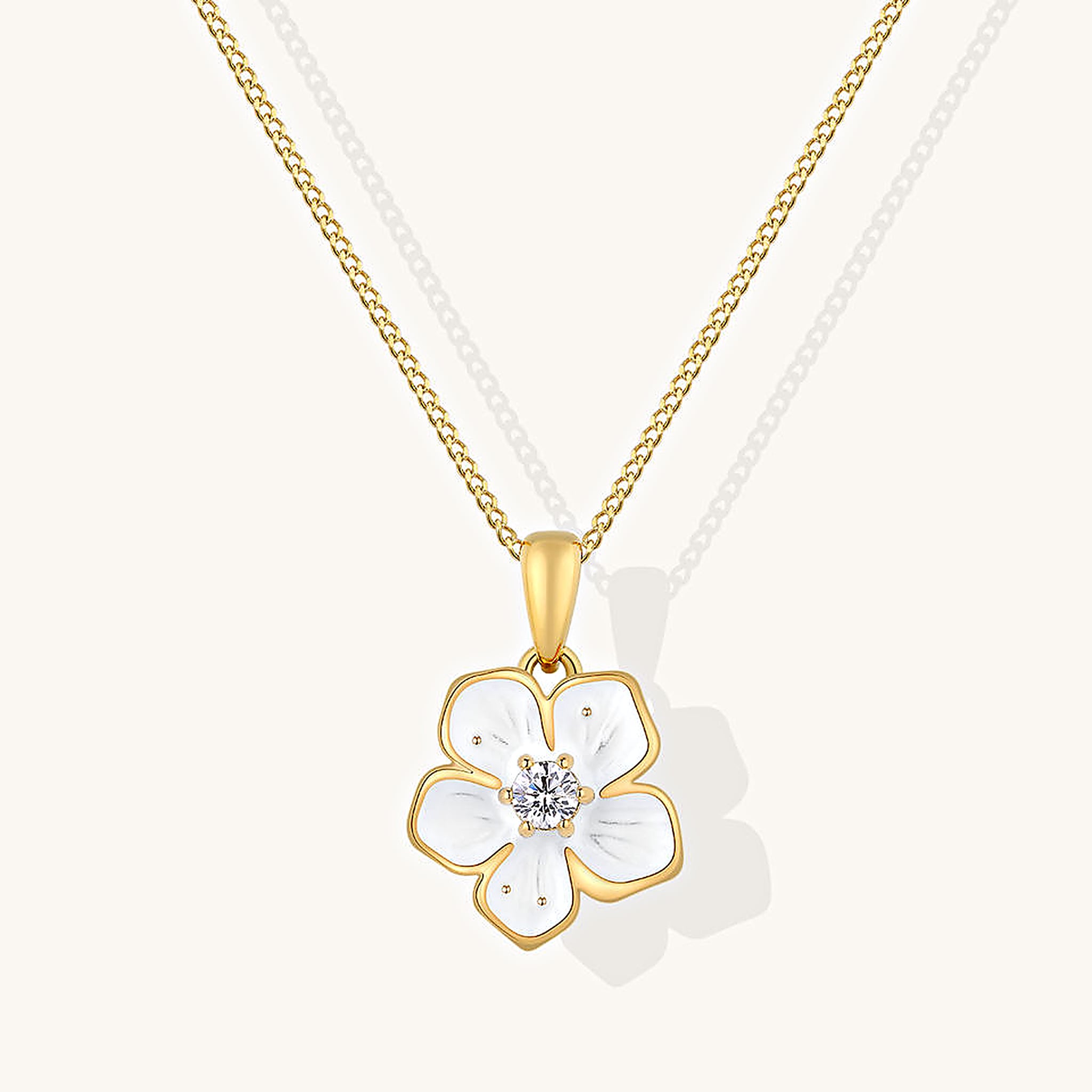
Quality control is also critical; ensure that the pieces undergo rigorous testing to meet industry standards. This includes checking for compliance with regulations regarding metal purity and potential allergens. Finally, consider the customization options available, as personalized designs can significantly enhance marketability and customer satisfaction. This is especially true for items like Pendants & Necklaces, which often benefit from unique personal touches.

Get a Free Quote

Our representative will contact you soon.
0/1000