Understanding 14 Carat Gold Jewellery Quality Standards

application/14-carat-gold-jewellery, application/14-carat-gold-jewellery, 
Inquiry
Inquiry

14 carat gold jewellery

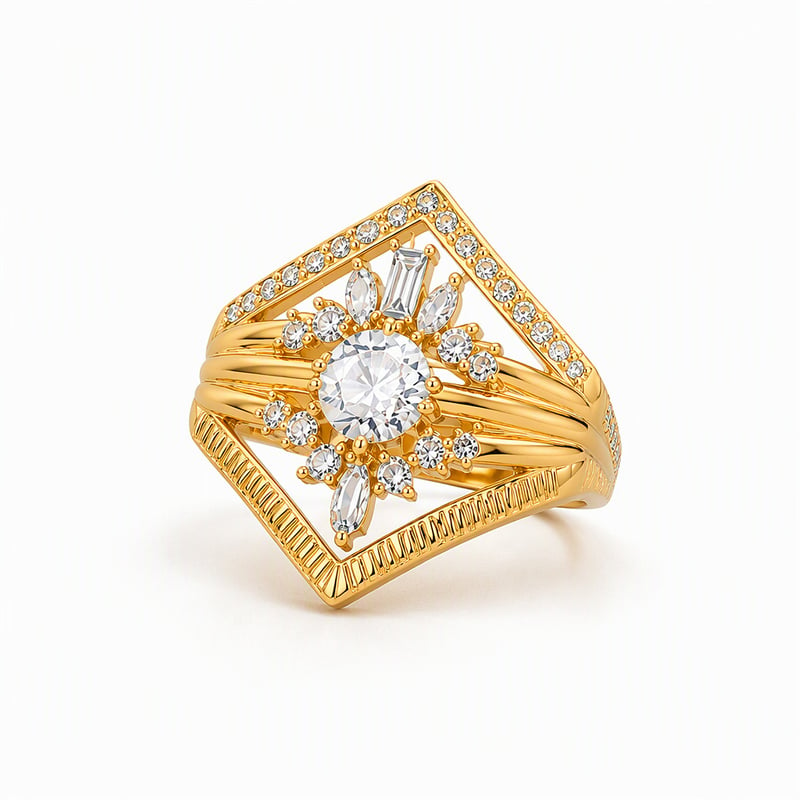
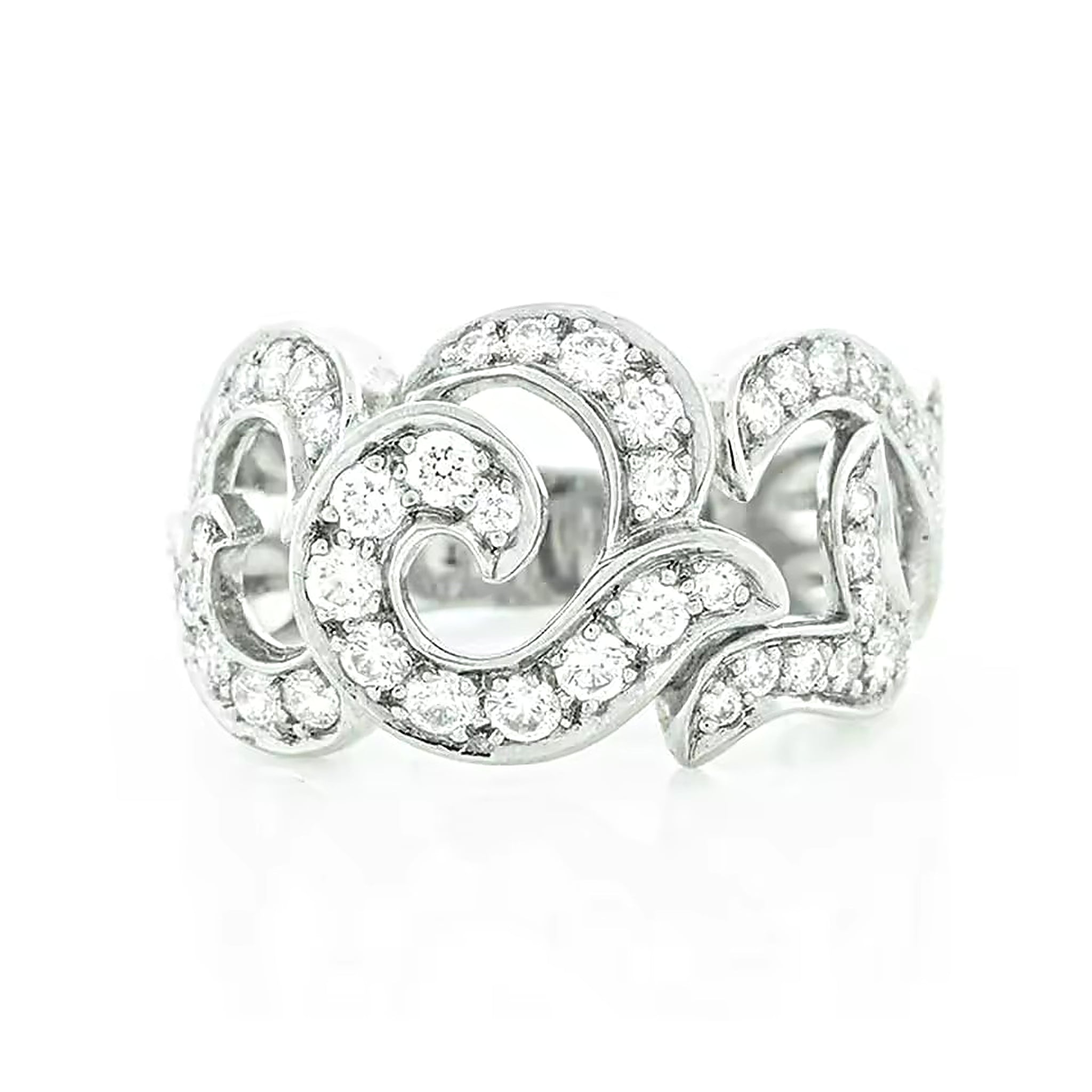
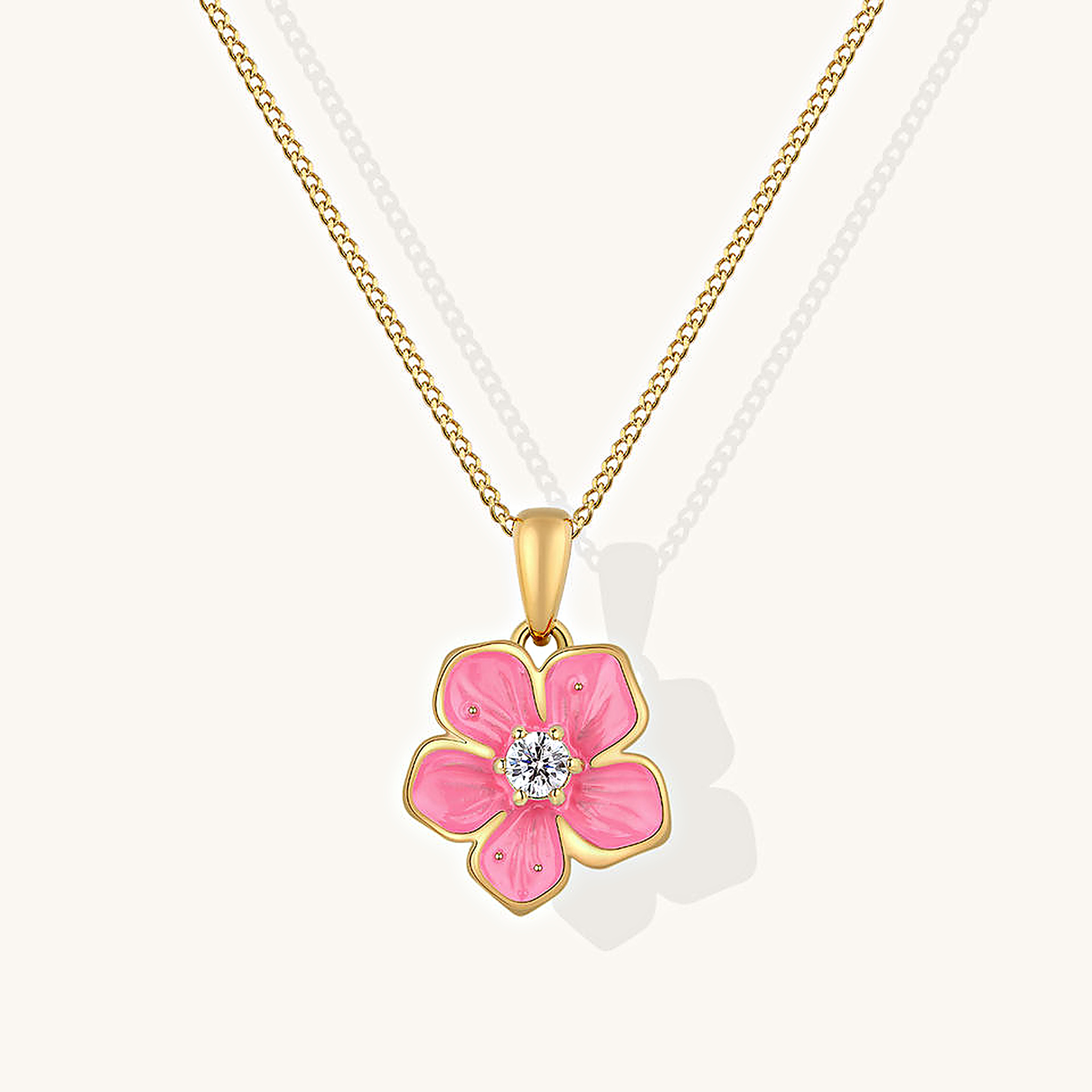
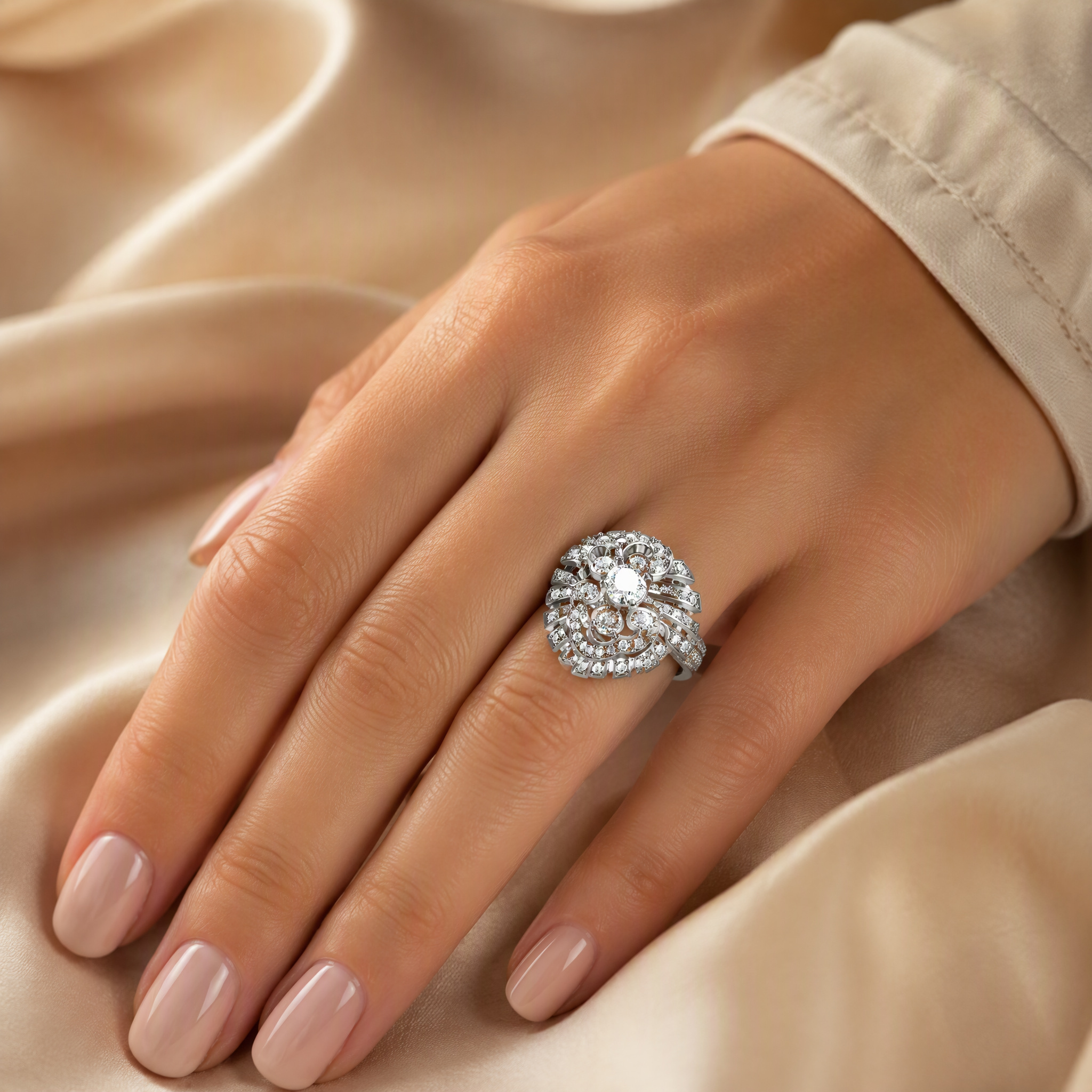
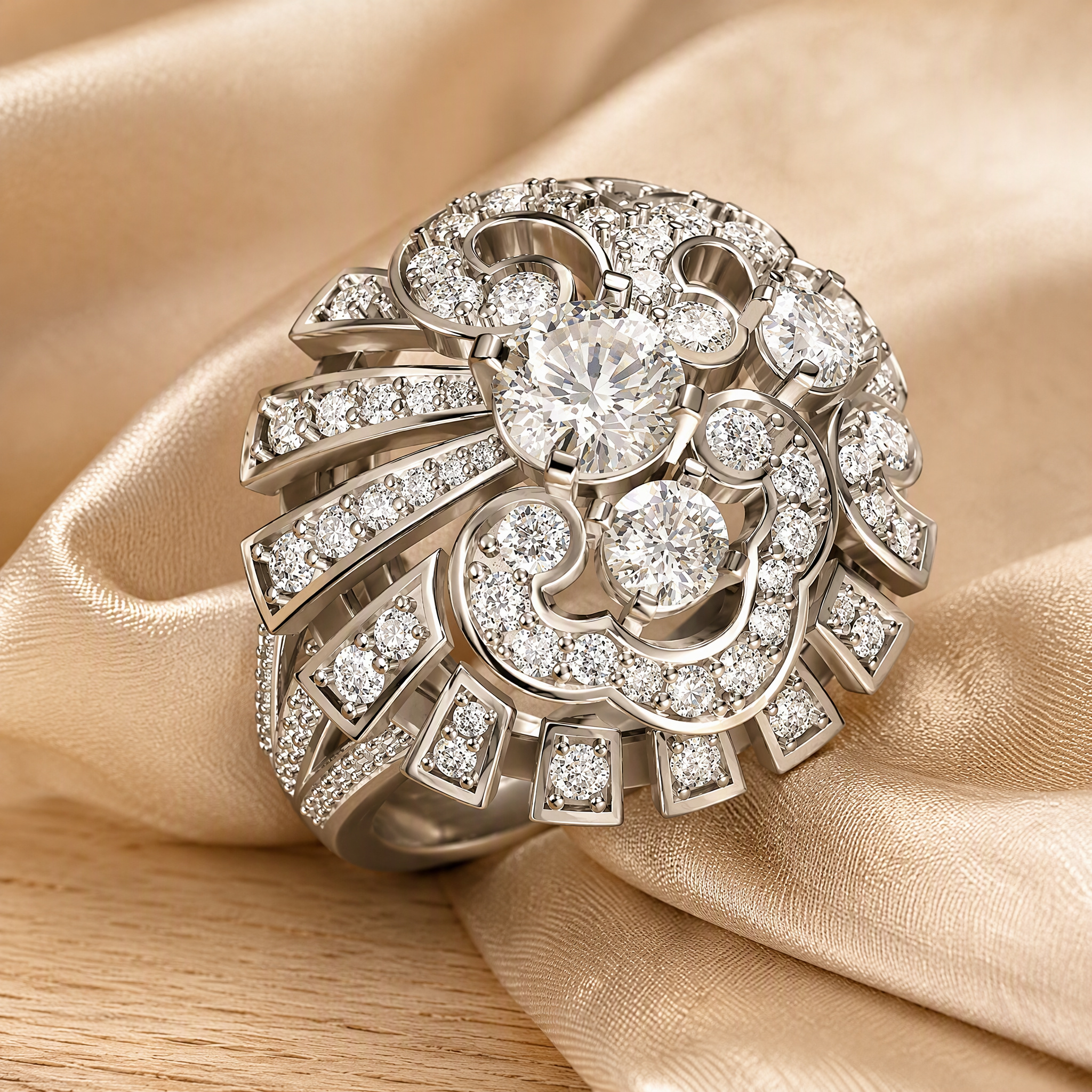
14 carat gold jewellery is a popular choice among consumers for its balance of quality, durability, and affordability. For B2B buyers such as purchasing managers, distributors, and retailers, understanding the nuances of 14 carat gold jewellery is crucial. This article will guide you through essential quality standards, supplier selection, key specifications, cost factors, and applications to help you make informed purchasing decisions.

How to Choose the Right 14 Carat Gold Jewellery Supplier

How to Choose the Right 14 Carat Gold Jewellery Supplier

Selecting the right supplier for 14 carat gold jewellery involves several critical considerations. Start by evaluating the supplier's experience in the industry. A supplier like Shenzhen Beyaly Jewelry Manufacture Co., Ltd., which specializes in OEM/ODM metal jewellery, can leverage their manufacturing capabilities and expertise to provide customized solutions tailored to your needs. Furthermore, they can offer a range of options including Bracelets & Bangles and Pendants & Necklaces to suit varying customer preferences.

Check for certifications that indicate adherence to quality and ethical standards, such as ISO certifications or compliance with environmental regulations. These certifications can provide peace of mind regarding the sourcing of materials and the manufacturing processes used.

Moreover, assess the supplier's customization capabilities. The ability to create bespoke designs or adjust existing ones can be a significant asset, particularly for retailers looking to differentiate their offerings. Finally, consider the supplier's lead times and reliability in meeting delivery schedules, as timely delivery is often a critical factor in maintaining inventory levels and meeting customer demand.

Key Specifications for 14 Carat Gold Jewellery Products

Key Specifications for 14 Carat Gold Jewellery Products

When evaluating 14 carat gold jewellery, several key specifications should be considered:

Gold Content: Ensure that the jewellery is indeed 14 carat, corresponding to 58.3% pure gold. Buyers should request assay certificates that confirm this content.

Weight: The weight of the jewellery piece can affect its perceived value and durability. Heavier pieces often indicate more gold and better craftsmanship, but this should align with customer expectations and demand.

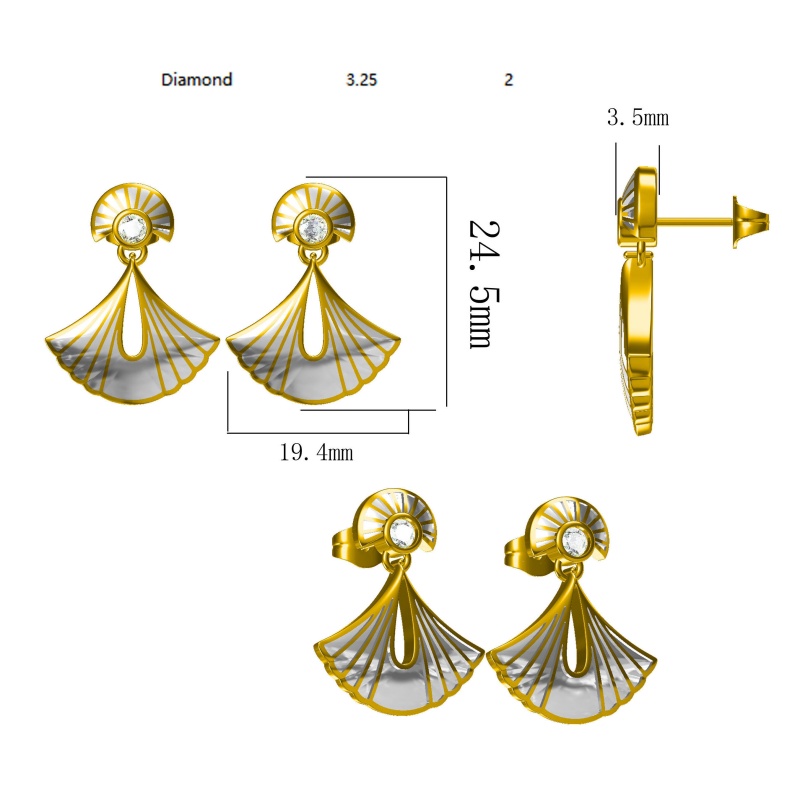
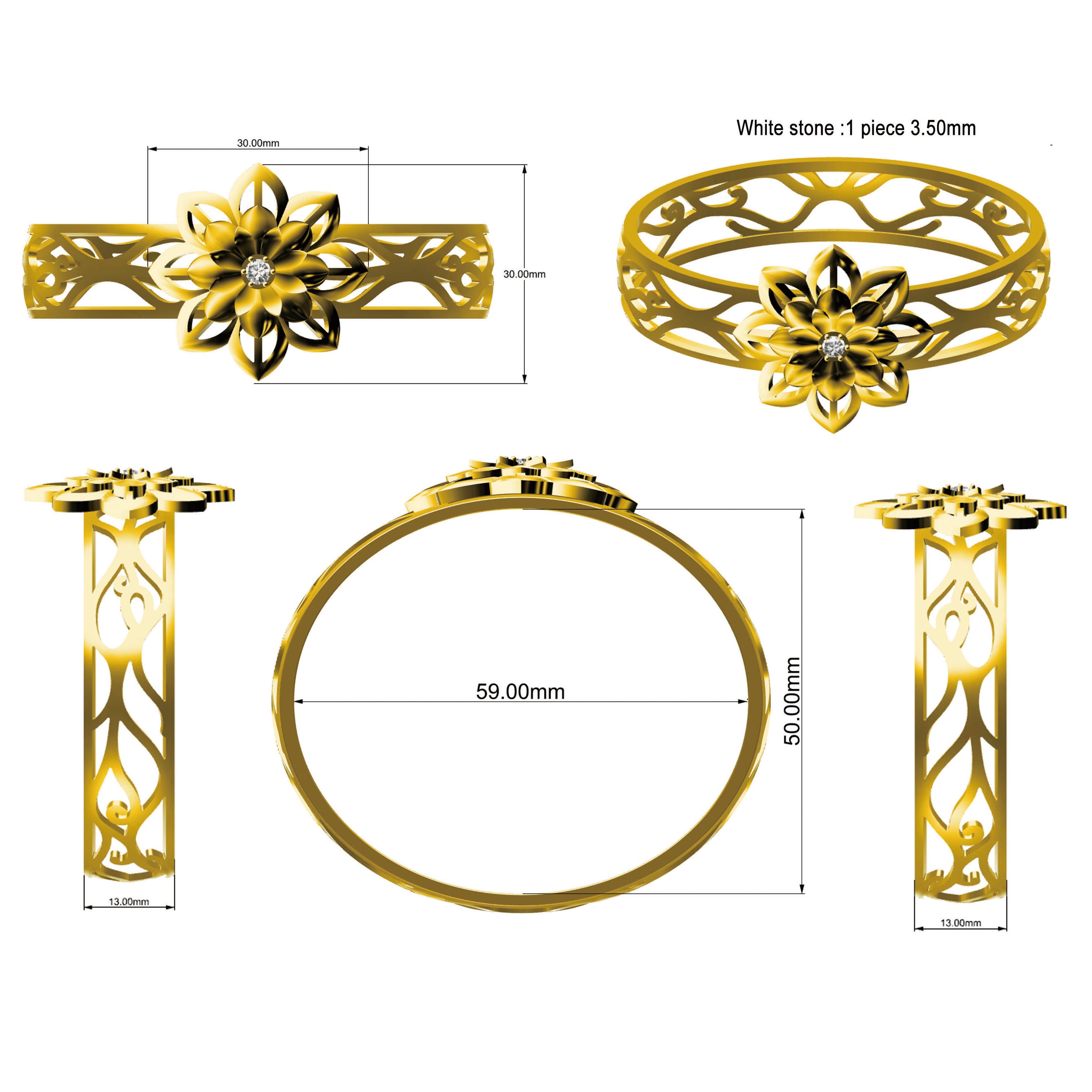
Dimensions: Accurate dimensions are crucial for ensuring a proper fit, especially in items like rings and bracelets. It is advisable to confirm these specifications prior to production.

Surface Finish: The finish can affect both aesthetics and durability. Options may include matte, polished, or brushed finishes, each providing different visual effects and wear resistance.

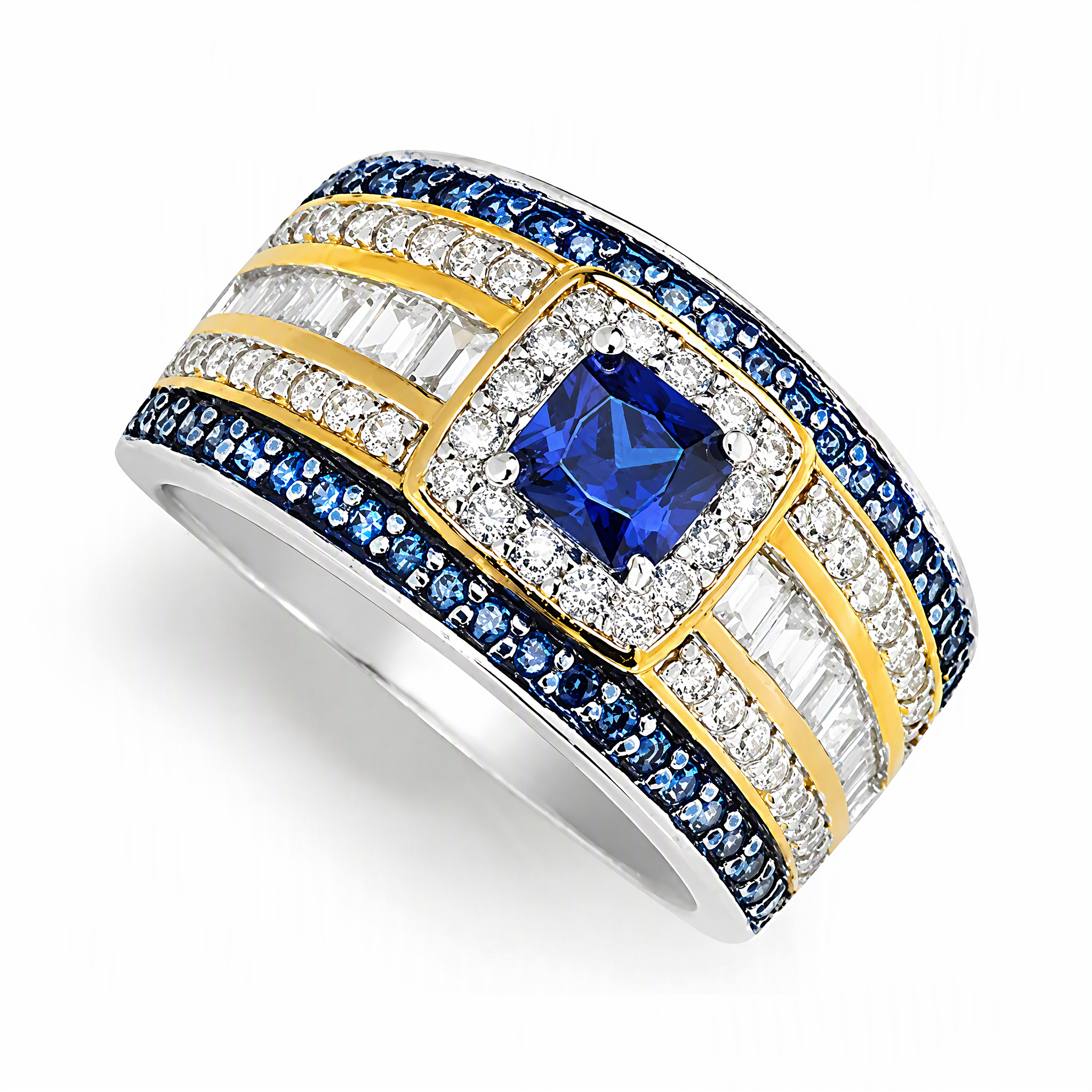
Gemstone Integration: If the jewellery includes gemstones, the quality and setting method should be specified. This might include the type of stones used, their grading, and how securely they are set in the gold.

Understanding these specifications will enable buyers to better assess product offerings and ensure that they meet the market's expectations.

Evaluating Cost Factors in 14 Carat Gold Jewellery Purchases

Evaluating Cost Factors in 14 Carat Gold Jewellery Purchases

Cost is a significant factor when purchasing 14 carat gold jewellery. The price is influenced by several elements:

Raw Material Prices: Fluctuations in gold prices can directly impact the cost of jewellery. Buyers should stay informed about market trends to anticipate price changes.

Manufacturing Costs: The complexity of the design and the production methods used can affect costs. Custom designs may incur higher tooling and setup fees.

Order Quantity: Many suppliers have minimum order quantities (MOQs) that can affect pricing. Larger orders may qualify for volume discounts, so it’s beneficial to discuss this with the supplier.

Shipping and Packaging: Consider the costs associated with shipping and the type of packaging required. Quality packaging can enhance the product's presentation but may also increase overall costs.

Import Duties and Taxes: If purchasing internationally, be aware of any import duties that may apply. These can significantly affect the total landed cost of the products.

By considering these factors, buyers can better negotiate prices and budget for their purchases effectively.

Exploring Applications for 14 Carat Gold Jewellery in Retail

14 carat gold jewellery is versatile and can cater to various retail applications. Its combination of affordability and quality makes it appealing to a broad demographic, from budget-conscious consumers to luxury buyers seeking value.

Fashion Retail: Many retailers use 14 carat gold jewellery to create fashionable pieces that attract young consumers. The ability to customize designs can meet the latest trends and consumer preferences.

Gifts and Special Occasions: This jewellery type is often sought after for gifts, especially for occasions like anniversaries and birthdays. Retailers can position 14 carat gold jewellery as an accessible luxury option.

Bridal Collections: Many bridal jewellery collections feature 14 carat gold due to its durability and aesthetic appeal. Offering customizable options can further cater to individual tastes.

Everyday Wear: Retailers can promote 14 carat gold jewellery as suitable for everyday wear, providing practical options that combine elegance with resilience.

By understanding these applications, retailers can effectively market 14 carat gold jewellery to various customer segments, maximizing sales opportunities and enhancing customer satisfaction.

Understanding the Quality Standards of 14 Carat Gold Jewellery

When sourcing 14 carat gold jewellery, it's essential to understand the quality standards that define this category. The term "14 carat" indicates that the jewellery is made of 58.3% pure gold, with the remainder being other metals such as copper or silver. This blend enhances durability while maintaining the aesthetic appeal of gold.

Quality standards often encompass factors such as alloy composition, surface finish, and craftsmanship. For instance, the alloy's composition affects not only the colour but also the strength and resistance to tarnishing. A reputable supplier should provide documentation on the alloy used and its compliance with industry standards, ensuring that the jewellery meets both aesthetic and functional requirements.

Additionally, buyers should inquire about the manufacturer’s quality control processes. Regular testing for consistency in gold content and surface finishes can help ensure that the final product meets the expected quality standards, reducing the risk of returns and dissatisfaction among end consumers.

Get a Free Quote

Our representative will contact you soon.
0/1000