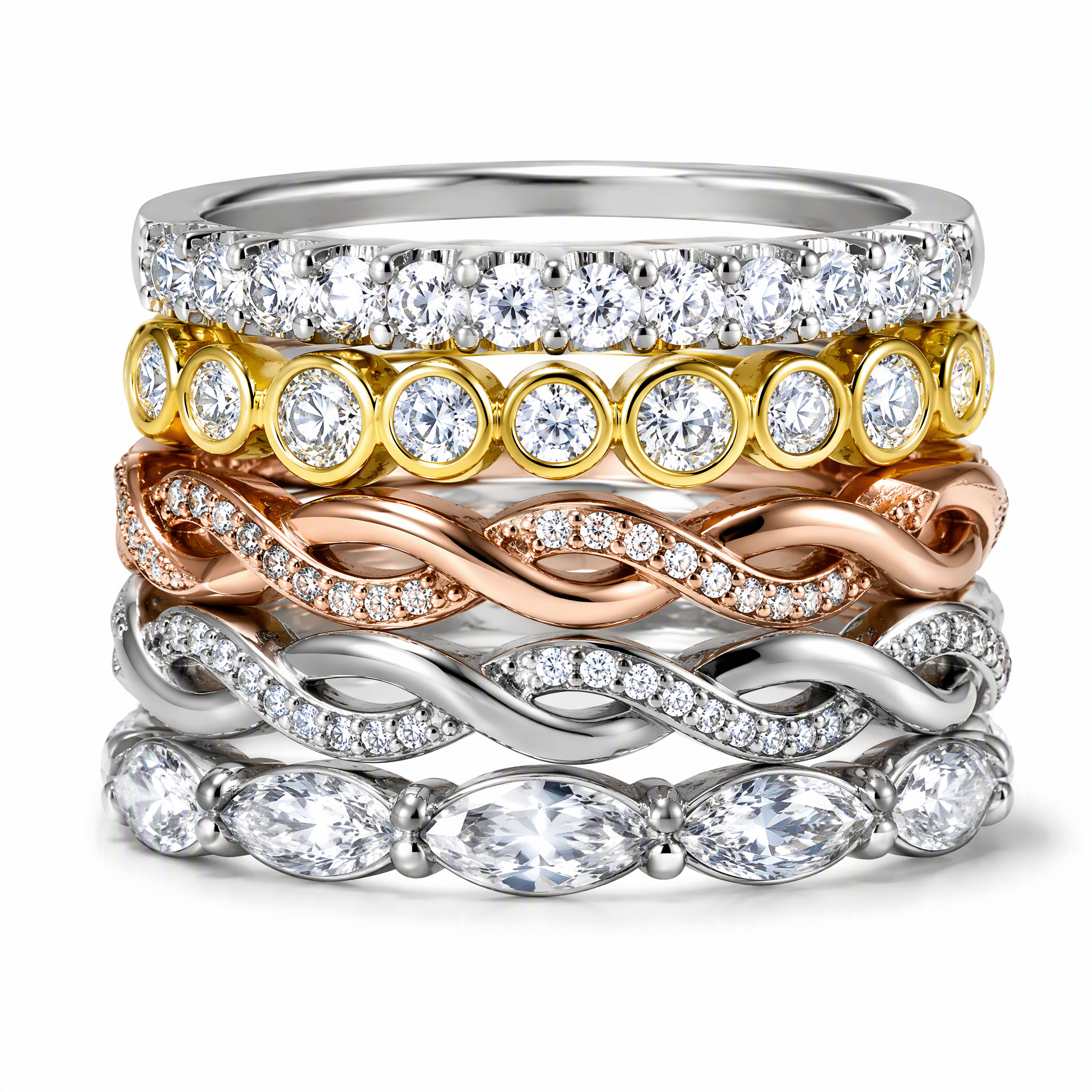
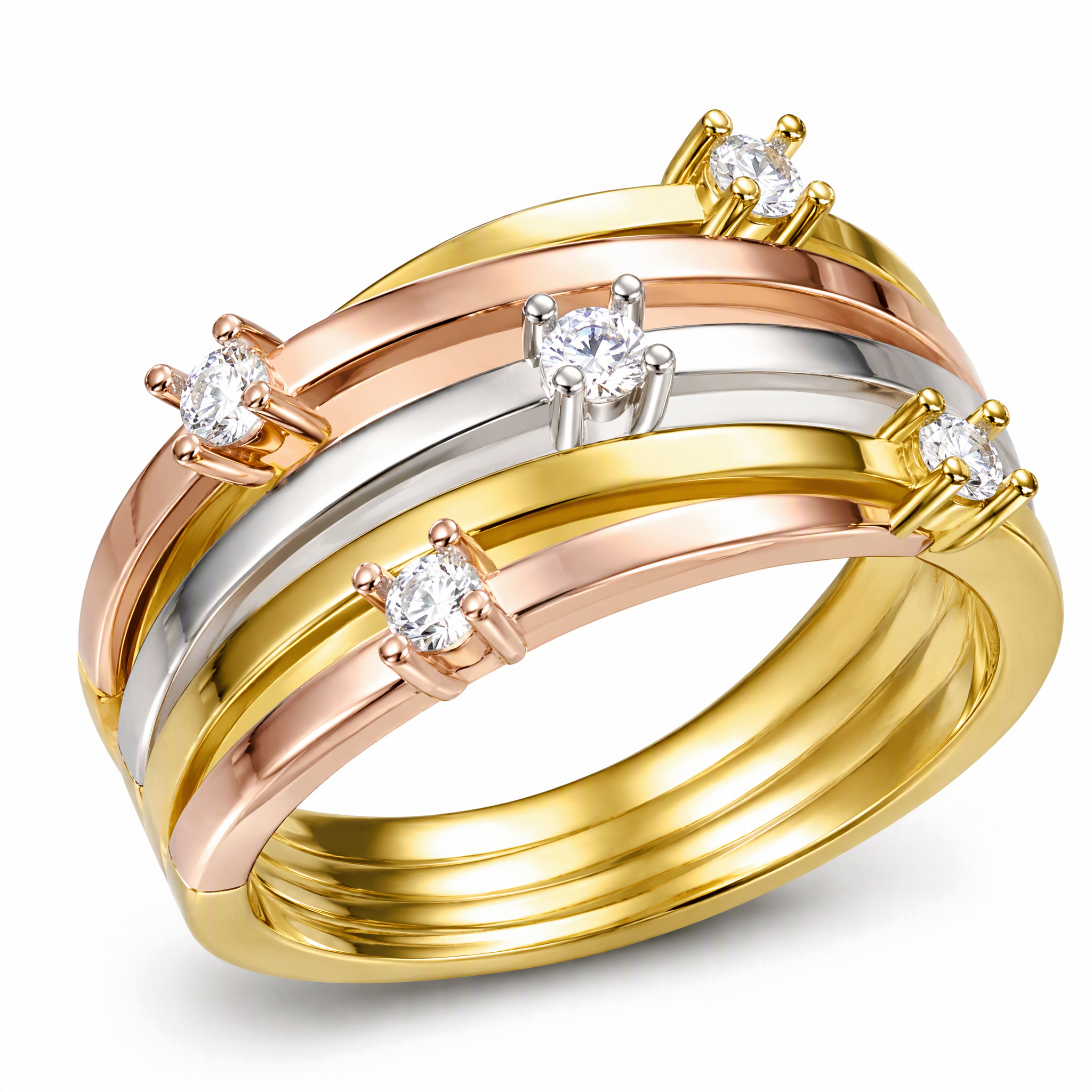
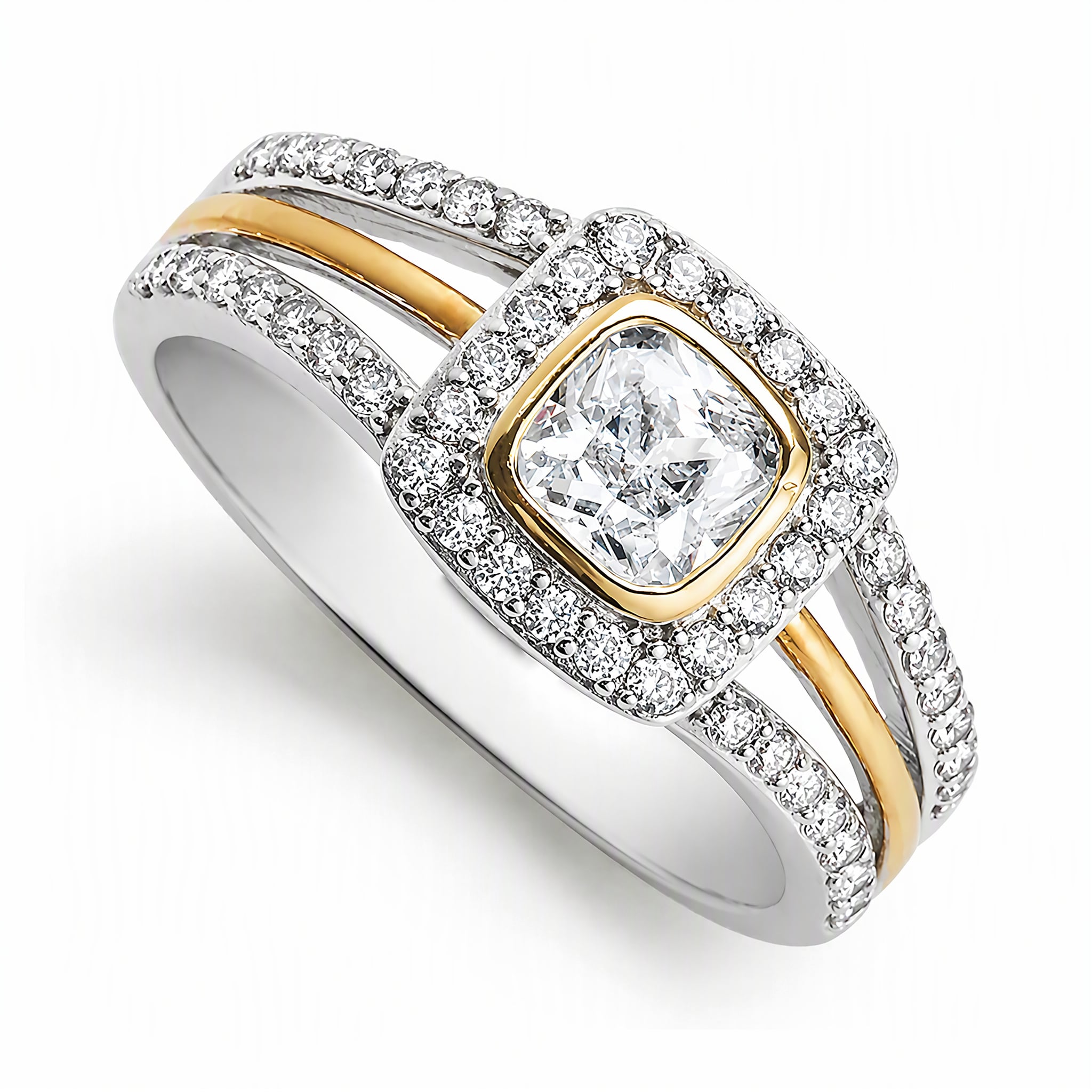
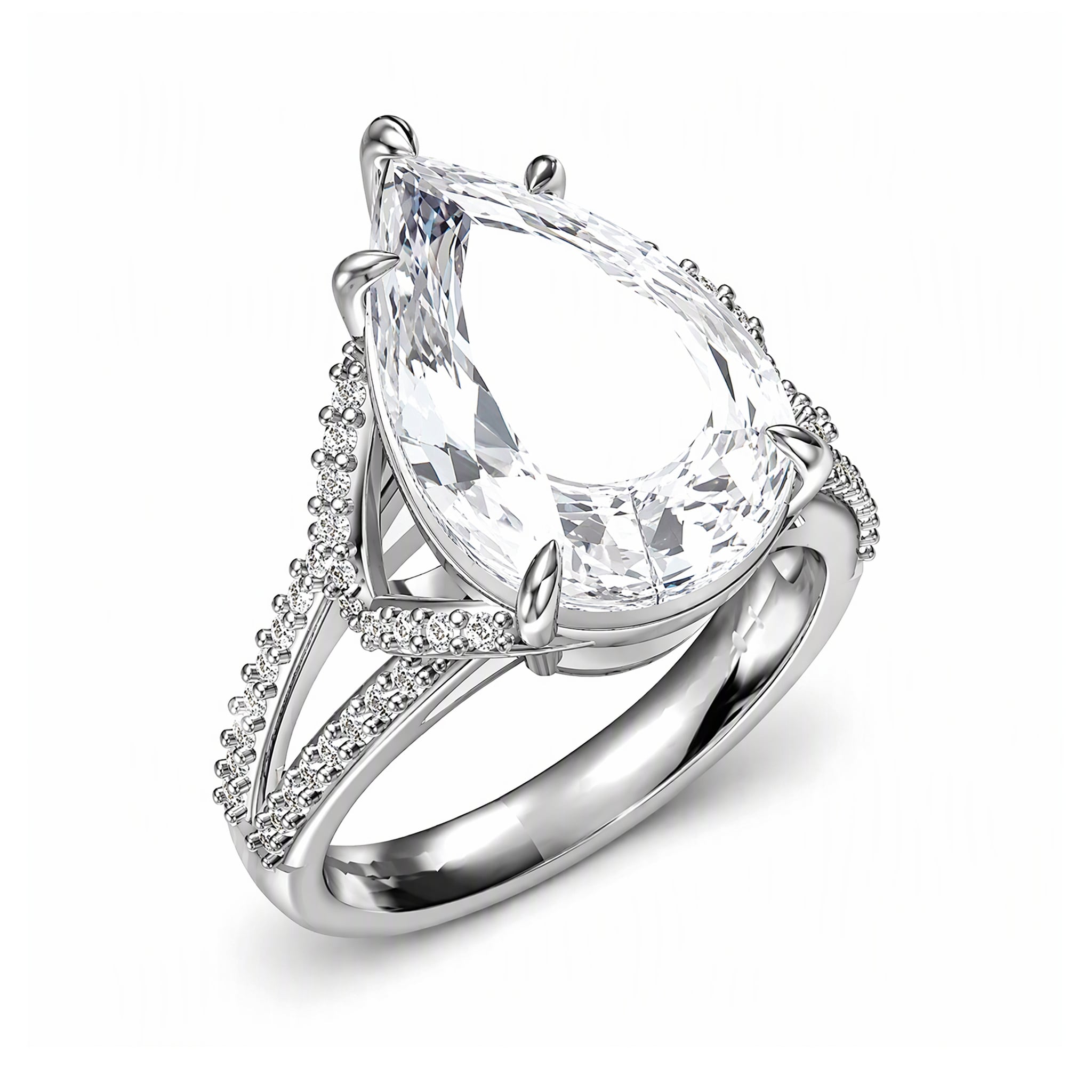
Durable Gem Bracelets for B2B Buyers

application/gem-bracelet, application/gem-bracelet, 
Inquiry
Inquiry

gem bracelet

Gem bracelets are a popular choice in the jewelry market, known for their aesthetic appeal and personal significance. As a B2B buyer, understanding the nuances of gem bracelets—including their material properties, installation processes, market applications, and quality control standards—is crucial for making informed purchasing decisions. This article will provide insights into the essential aspects of gem bracelets, helping you to navigate the complexities of sourcing these products effectively.

Installation Guidance for Wholesale Gem Bracelet Purchases

Installation Guidance for Wholesale Gem Bracelet Purchases

For businesses looking to purchase gem bracelets wholesale, clear installation guidance is necessary to ensure smooth integration into retail environments. Here are key considerations:

Packaging for Retail: Gem bracelets should be packaged securely to prevent damage during transport. Custom packaging options, such as branded boxes or pouches, can enhance the product's perceived value and appeal to customers. Displaying the Product: Effective display techniques can boost sales. Consider using display cases that allow customers to see the details of the gem bracelets. Proper lighting can enhance the visual appeal, drawing attention to the gems’ brilliance. Installation Instructions for Custom Pieces: If gem bracelets come with detachable elements or adjustable features, providing clear installation instructions will assist retailers in educating their customers. This may include guidance on how to resize bracelets or attach charms effectively. By providing detailed installation guidance, suppliers can facilitate the successful introduction of gem bracelets into the market. For example, our Custom Promise Rings also come with detailed instructions to ensure customer satisfaction.
Applications and Market Trends for Gem Bracelets in Retail

Applications and Market Trends for Gem Bracelets in Retail

Gem bracelets are versatile products that can cater to various market segments. Understanding current applications and trends is critical for making informed purchasing decisions:

Fashion and Personal Expression: Gem bracelets are increasingly seen as fashion statements. Retailers should consider the current trends, such as personalized bracelets or those featuring birthstones, which resonate with consumers looking for unique items. Gifts and Special Occasions: Gem bracelets are popular gifts for occasions such as anniversaries, birthdays, and holidays. This understanding can guide inventory decisions, ensuring a suitable variety is available during peak shopping periods. Sustainable and Ethical Sourcing: There is a growing demand for ethically sourced gemstones and metals. Buyers should inquire about the sourcing practices of their suppliers to ensure they align with consumer values regarding sustainability. By staying informed about market trends, retailers can tailor their offerings to meet buyer expectations and increase sales.
What to Know

What to Know

Before placing an order for gem bracelets, buyers should consider several critical specifications to ensure that they select the right products for their market:

Minimum Order Quantity (MOQ): Different manufacturers may have varying MOQs. Understanding these requirements can help buyers plan their budgets and inventory levels effectively. Customization Options: Many manufacturers, including Shenzhen Beyaly Jewelry Manufacture Co., Ltd., offer OEM/ODM services. Buyers should clarify their customization needs, such as specific designs, materials, or packaging requirements, to ensure that their vision is realized. Lead Times: Production lead times can vary significantly based on order size and customization complexity. Understanding these timelines will help buyers manage their inventory and meet customer demand. Taking the time to clarify these points will support a smoother purchasing process and help avoid potential delays.

The Importance of Quality Control in Gem Bracelet Manufacturing

Quality control is a vital aspect of gem bracelet manufacturing that ensures product reliability and customer satisfaction. Here are key quality control considerations:

Inspection of Raw Materials: Before production begins, inspecting the quality of raw materials—both the metals and gemstones—is essential. This step helps ensure that only high-quality materials enter the production process, which directly impacts the final product's durability and appearance. In-Process Quality Checks: Implementing quality checks at various stages of production can help identify issues early. For instance, verifying that gemstones are securely set and that metalwork is polished can prevent defects from reaching the final product. Final Product Testing: Conducting final inspections and testing—such as checking for the integrity of clasps and the overall aesthetic quality—ensures that the gem bracelets meet the required standards before they are shipped to retailers. By prioritizing quality control, manufacturers can enhance their reputation and reduce the likelihood of returns or dissatisfaction among buyers.

Understanding the critical aspects of gem bracelets—from material evaluation and installation guidance to market applications and quality control—is essential for B2B buyers. These insights will empower you to make informed decisions that align with your business needs and customer expectations.

Evaluating Material Advantages for Durable Gem Bracelets

When selecting gem bracelets, the choice of materials is fundamental to the product’s durability and appeal. Common materials used in gem bracelets include metals like sterling silver, gold, and stainless steel, alongside various gemstones such as sapphires, emeralds, and diamonds. Each material offers distinct advantages:

Metal Durability: Stainless steel, for instance, is highly resistant to corrosion and scratches, making it suitable for daily wear. Gold and silver offer a more luxurious feel but may require regular maintenance to retain their luster. Gemstone Quality: The hardness of gemstones is measured on the Mohs scale, which indicates their durability. For example, diamonds score a 10, making them exceptionally durable, while softer stones like opals (with a score of 5.5 to 6.5) may be more prone to scratching. Weight Considerations: The overall weight of the bracelet affects its comfort and wearability. Heavy bracelets may shift uncomfortably on the wrist, while lighter options may be more appealing for long-term wear. Understanding these material properties will help buyers select gem bracelets that meet both aesthetic and practical requirements. Additionally, those interested in unique styles may explore our Custom Gemstone Rings collection for more options.

Get a Free Quote

Our representative will contact you soon.
0/1000

Related product categories