How to Evaluate Ear Pins for Wholesale Purchase

application/ear-pin, application/ear-pin, 
Inquiry
Inquiry

ear pin

Ear pins are an essential component in the jewelry manufacturing industry, often used for earrings to secure decorative elements to the ear. When considering ear pins for wholesale purchases, B2B buyers such as purchasing managers, distributors, and product managers typically focus on quality, material selection, and installation ease. This article will guide you through evaluating ear pins, understanding cost factors for bulk orders, recognizing materials used in high-quality ear pins, troubleshooting common installation issues, and comparing different styles available for your product line.

Understanding the Cost Factors for Bulk Orders of Ear Pins

Understanding the Cost Factors for Bulk Orders of Ear Pins

The pricing of ear pins for bulk orders is influenced by various factors, including material choice, manufacturing processes, and order volume. High-quality materials such as precious metals will naturally increase the cost. Additionally, custom designs or unique finishes will require more intricate production, which can also drive up expenses.

Order volume plays a significant role in cost per unit. Generally, larger orders benefit from economies of scale, reducing the price per ear pin. However, minimum order quantities (MOQs) should always be confirmed with the supplier, as these can vary significantly based on the manufacturer’s capabilities and market demand.

Another important consideration is lead time. If you require a quick turnaround, be prepared for potential price increases as manufacturers might charge more for expedited services. It’s essential to weigh the urgency of your order against the overall budget while discussing terms with your supplier.

Materials Used in High-Quality Ear Pins

Materials Used in High-Quality Ear Pins

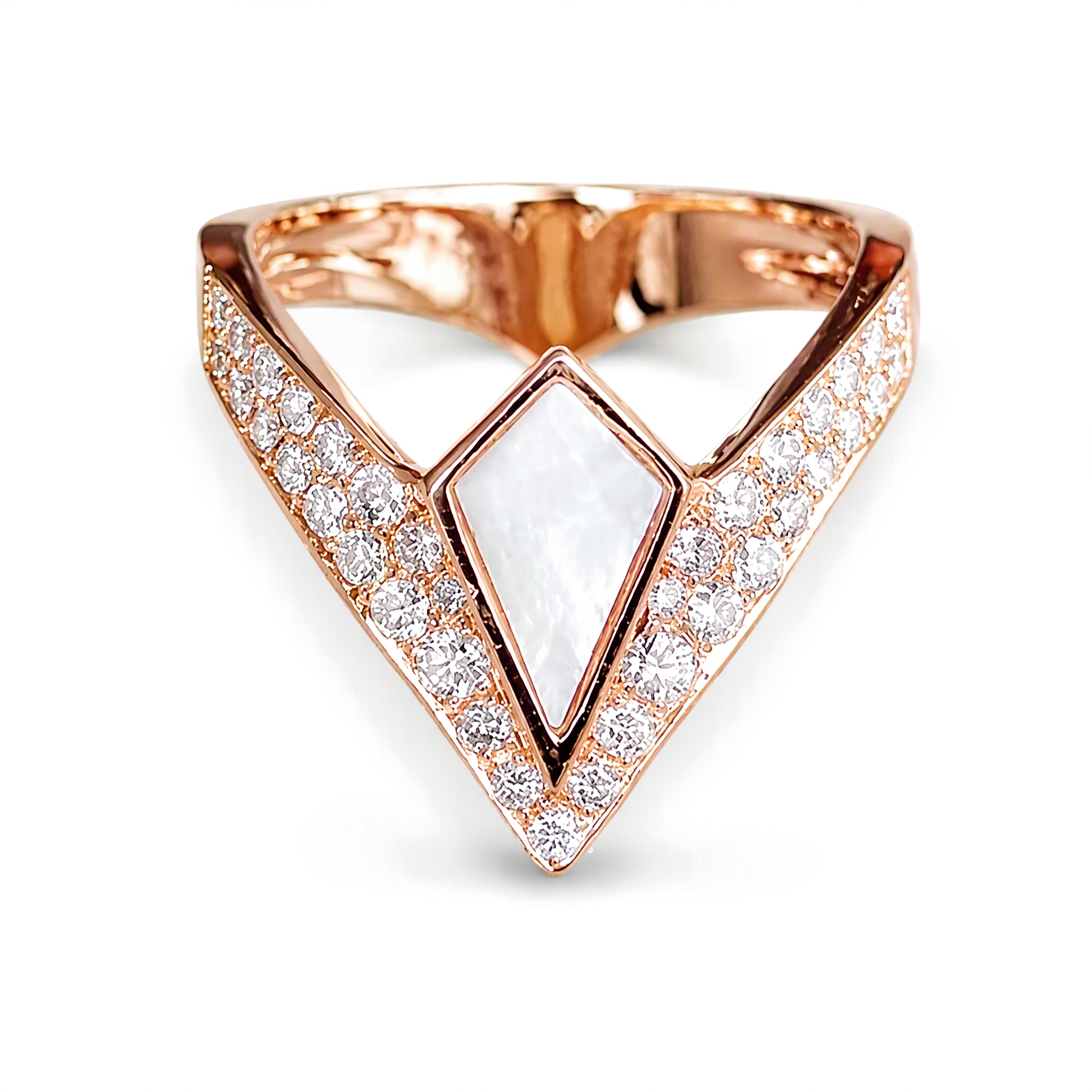
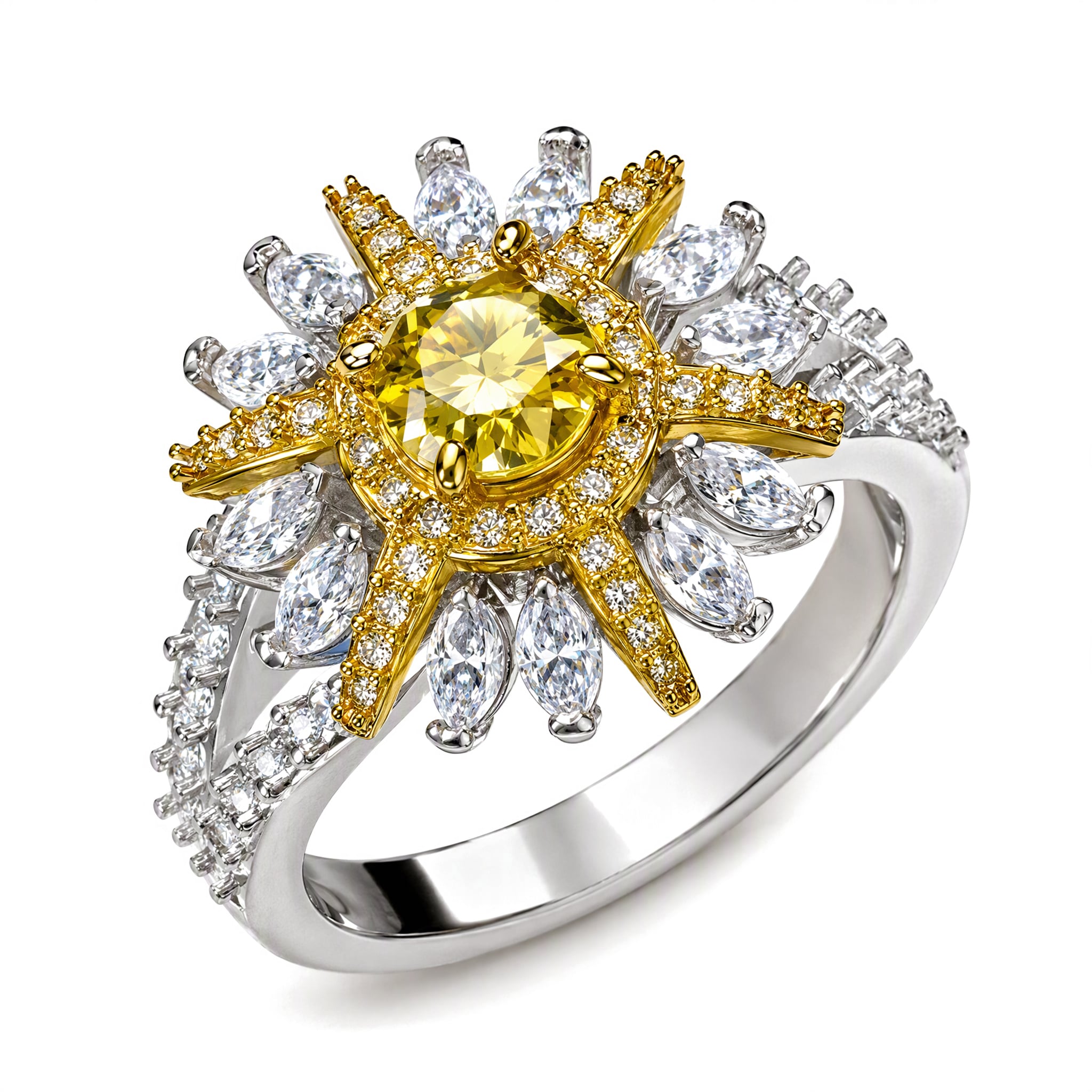
High-quality ear pins are typically made from a variety of materials, each with its own set of benefits. Stainless steel is a popular choice due to its strength and corrosion resistance, making it ideal for everyday wear. Gold and sterling silver offer aesthetic appeal and hypoallergenic properties, catering to customers with sensitive skin. For example, Custom Gemstone Rings 925 Silver Radiant Star Yellow OEM embody such qualities.

Another material worth considering is titanium, known for its lightweight nature and strength. Titanium ear pins are often favored in high-performance applications where durability is critical. Additionally, some manufacturers offer coated metals that provide a vibrant finish while maintaining the underlying strength of the base metal.

When selecting materials, consider the intended use of the ear pins. For instance, fashion jewelry might require different material properties compared to medical-grade jewelry designed for sensitive skin. Understanding these nuances can help you make informed material choices that align with customer expectations.

Common Installation Problems with Ear Pins and Their Solutions

Common Installation Problems with Ear Pins and Their Solutions

Installation issues with ear pins can arise from various factors, including design flaws or user error. One common problem is the pin not fitting securely into the backing, leading to the earring falling off. To mitigate this, ensure that the ear pin's gauge matches the backing and that the design allows for a snug fit. Testing different combinations of pins and backs during sample approval can help identify potential issues before mass production.

Another frequent issue is the pin bending or breaking during installation. This can often be attributed to excessive force applied during the insertion process. To combat this, provide clear instructions for proper installation techniques, perhaps even including a video guide for end users.

In some cases, buyers may encounter discomfort when wearing ear pins. This can result from poorly designed shapes or sharp edges. Encourage feedback from initial users to identify any discomfort issues, so adjustments can be made in future production runs to enhance user experience.

Comparing Different Styles of Ear Pins for Your Product Line

When evaluating ear pin styles for your product line, it’s crucial to consider design compatibility with your overall jewelry collection. Ear pins come in various styles, such as studs, hoops, and dangles, each offering different aesthetic appeal and marketability.

Stud ear pins are often favored for their simplicity and versatility, making them suitable for everyday wear. In contrast, dangle ear pins can attract a more fashion-forward demographic, appealing to customers looking for statement pieces. When selecting styles, consider your target market and current trends to ensure alignment with consumer preferences.

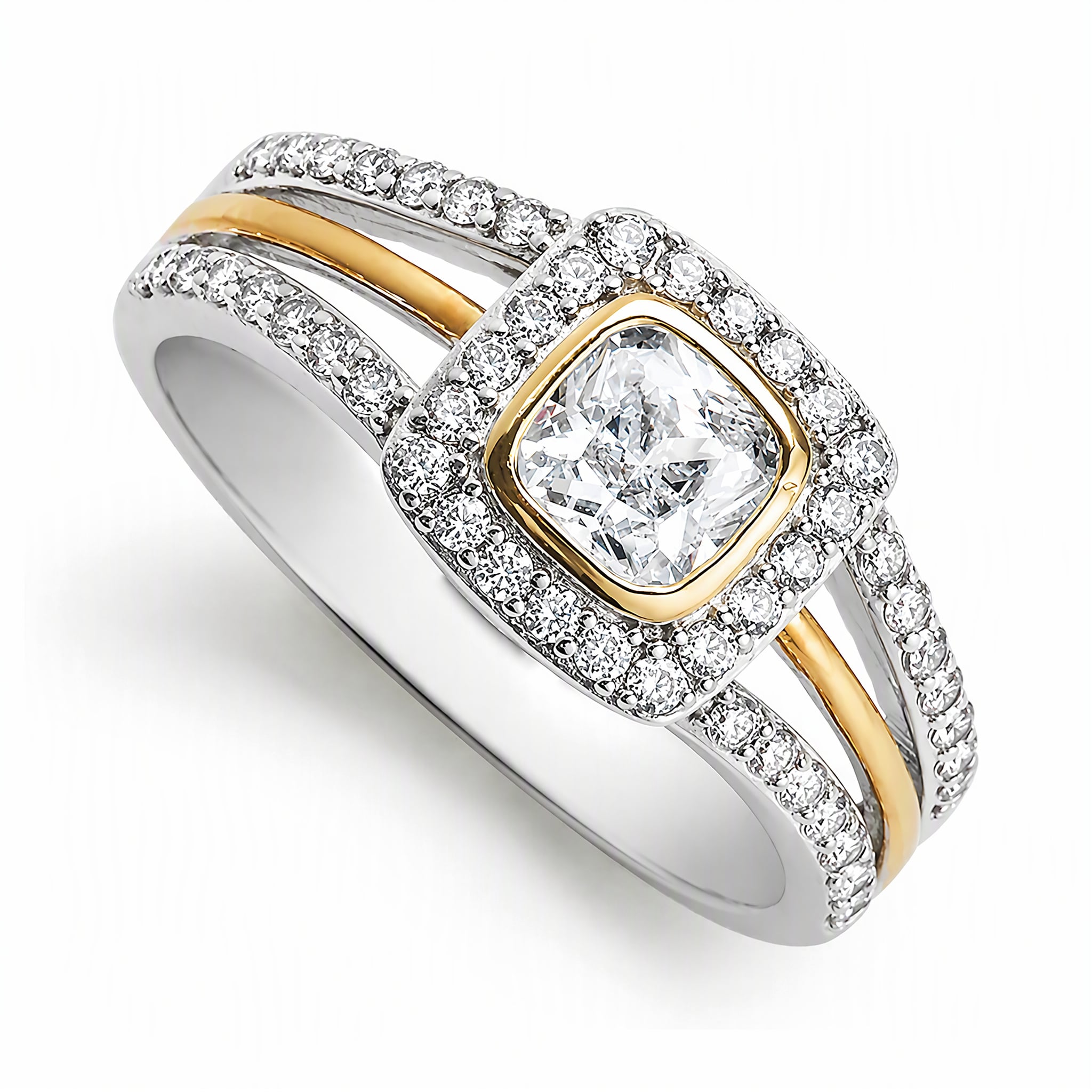
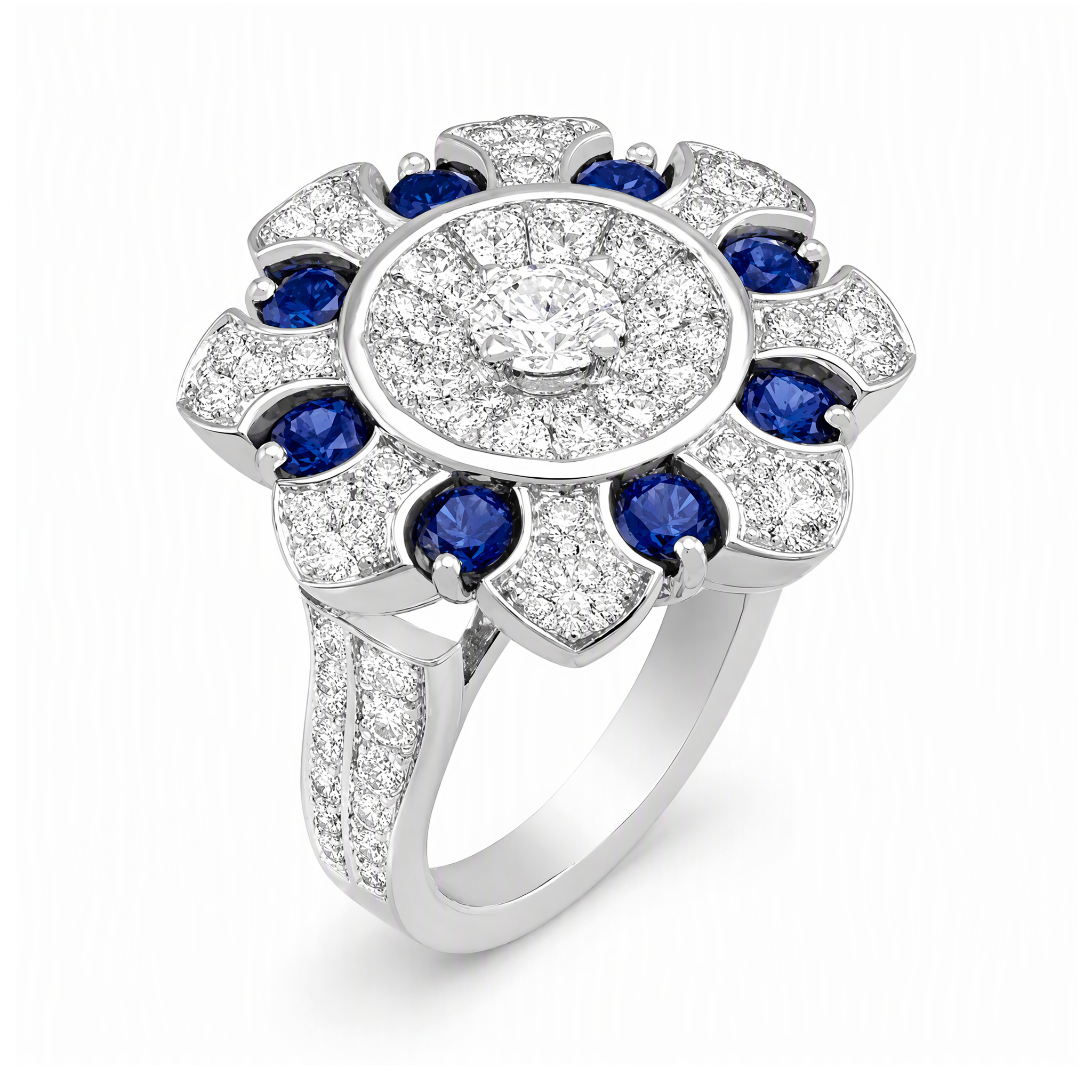
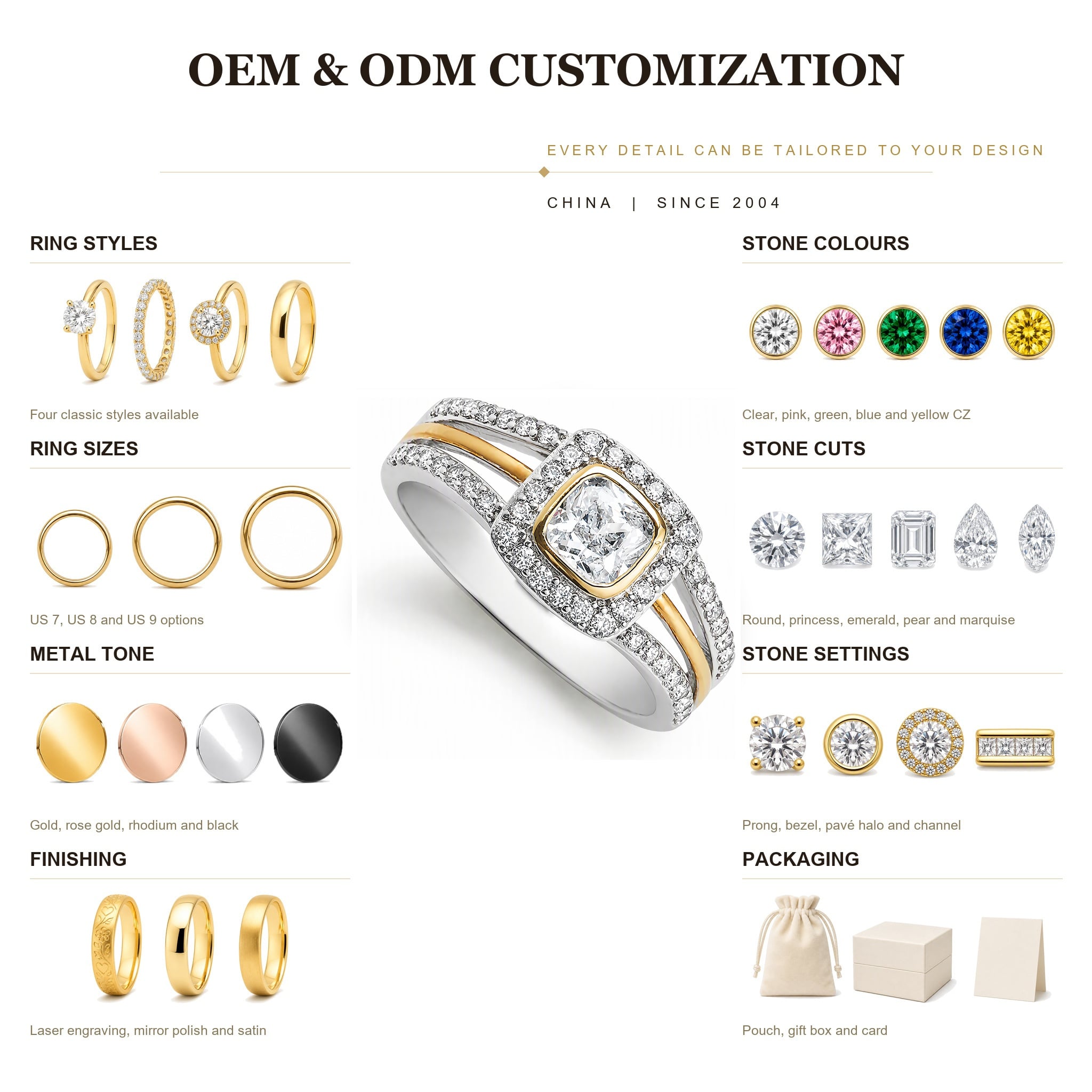
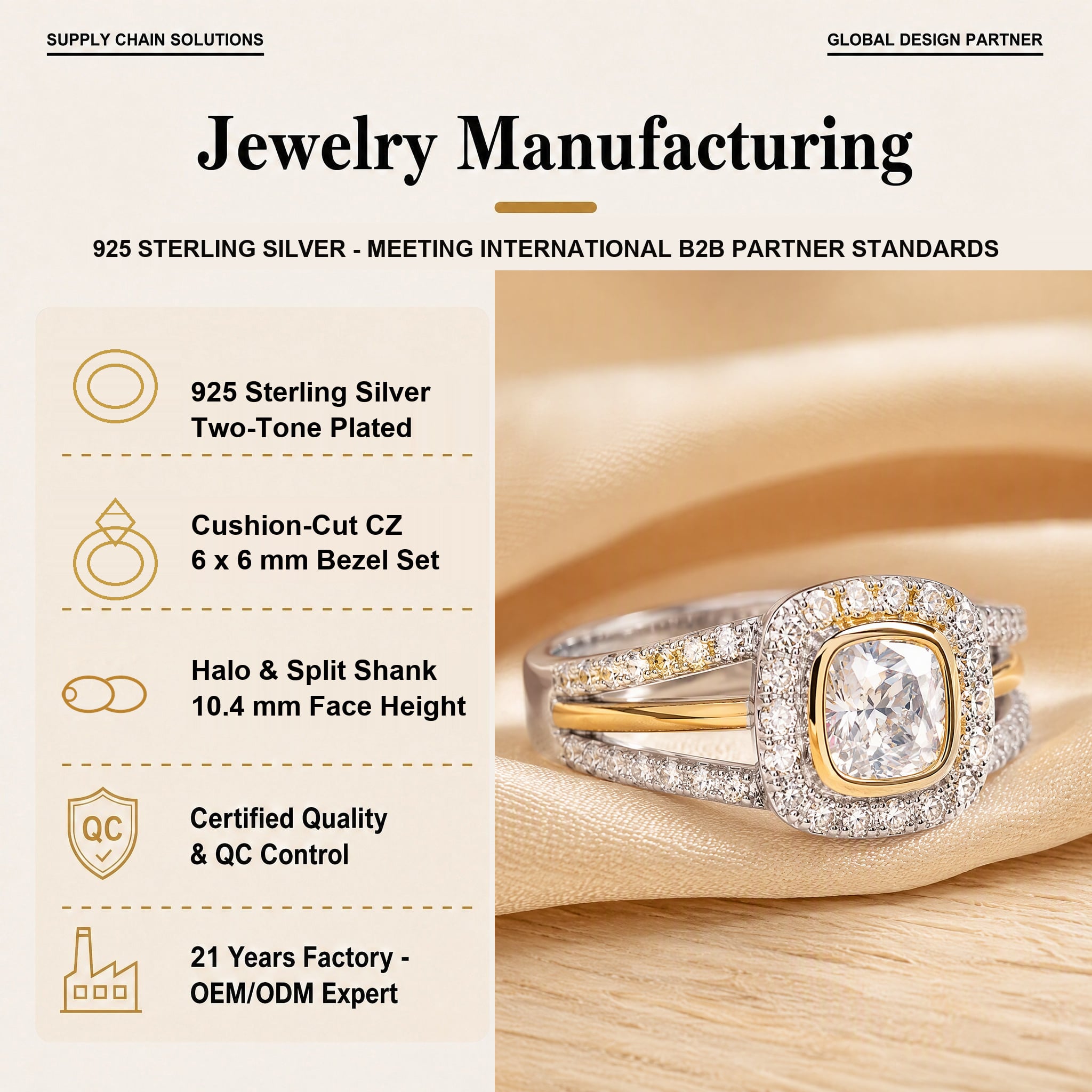
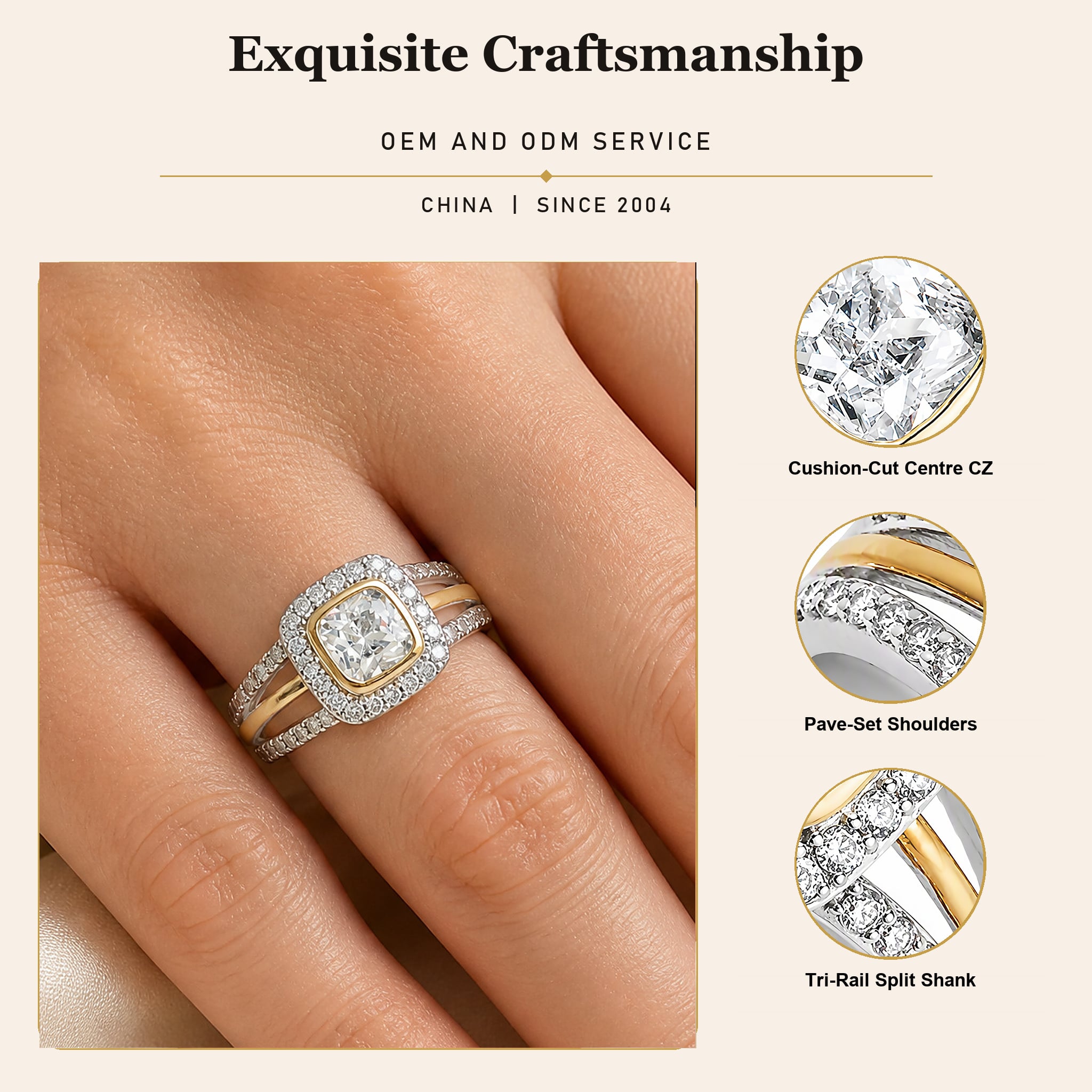
Additionally, explore customization options. Many manufacturers, including Shenzhen Beyaly Jewelry Manufacture Co., Ltd., offer OEM/ODM services that allow you to tailor designs to your brand identity. This flexibility can differentiate your product line in a competitive market, enhancing customer loyalty and brand recognition. For instance, Custom Wedding Rings 925 Silver 3 Band Halo CZ OEM Set can be a unique addition to your offerings.

By systematically comparing styles, materials, and design considerations, you can build a robust product line that meets diverse customer needs while maintaining high-quality standards.

How to Evaluate the Quality of Ear Pins for Wholesale Purchase

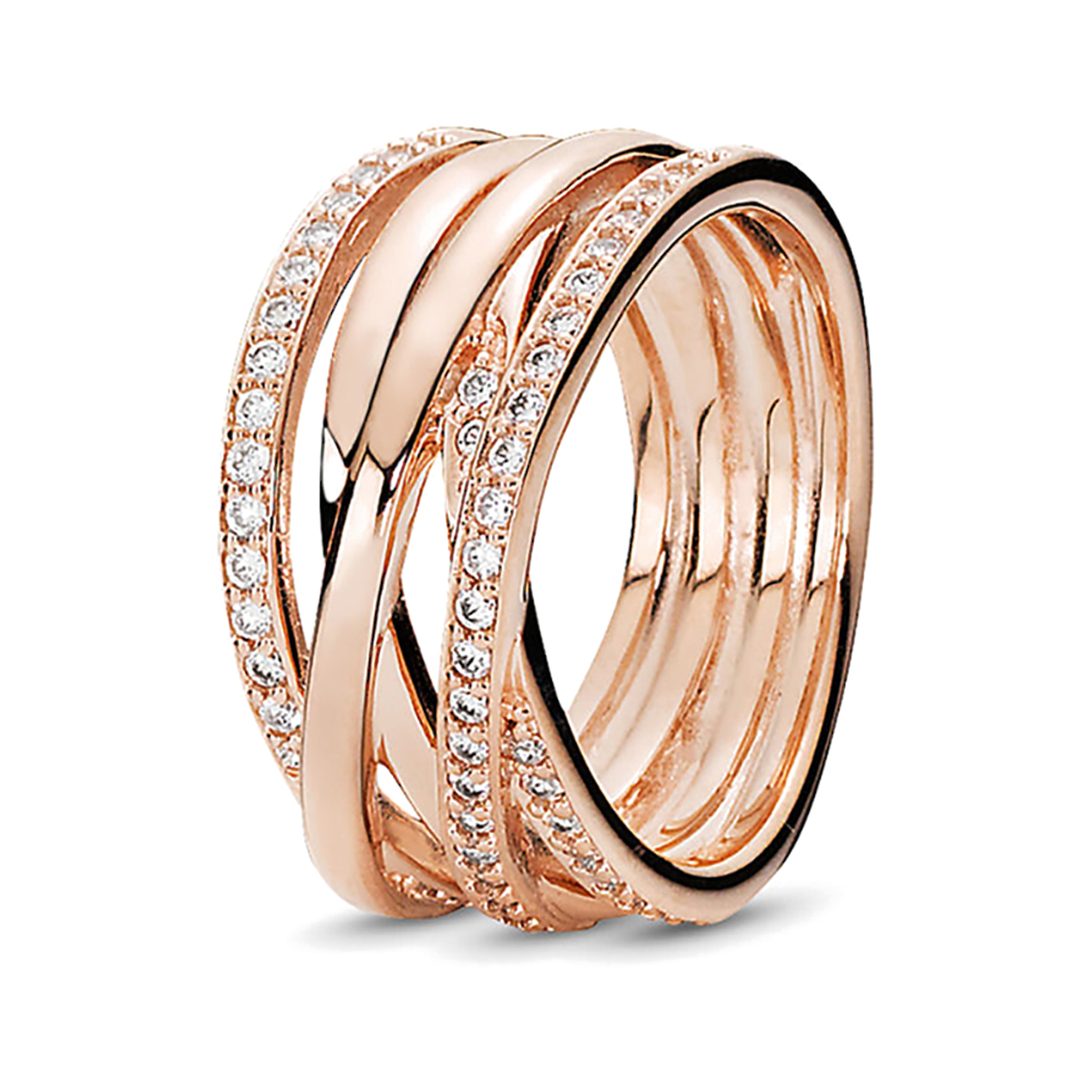
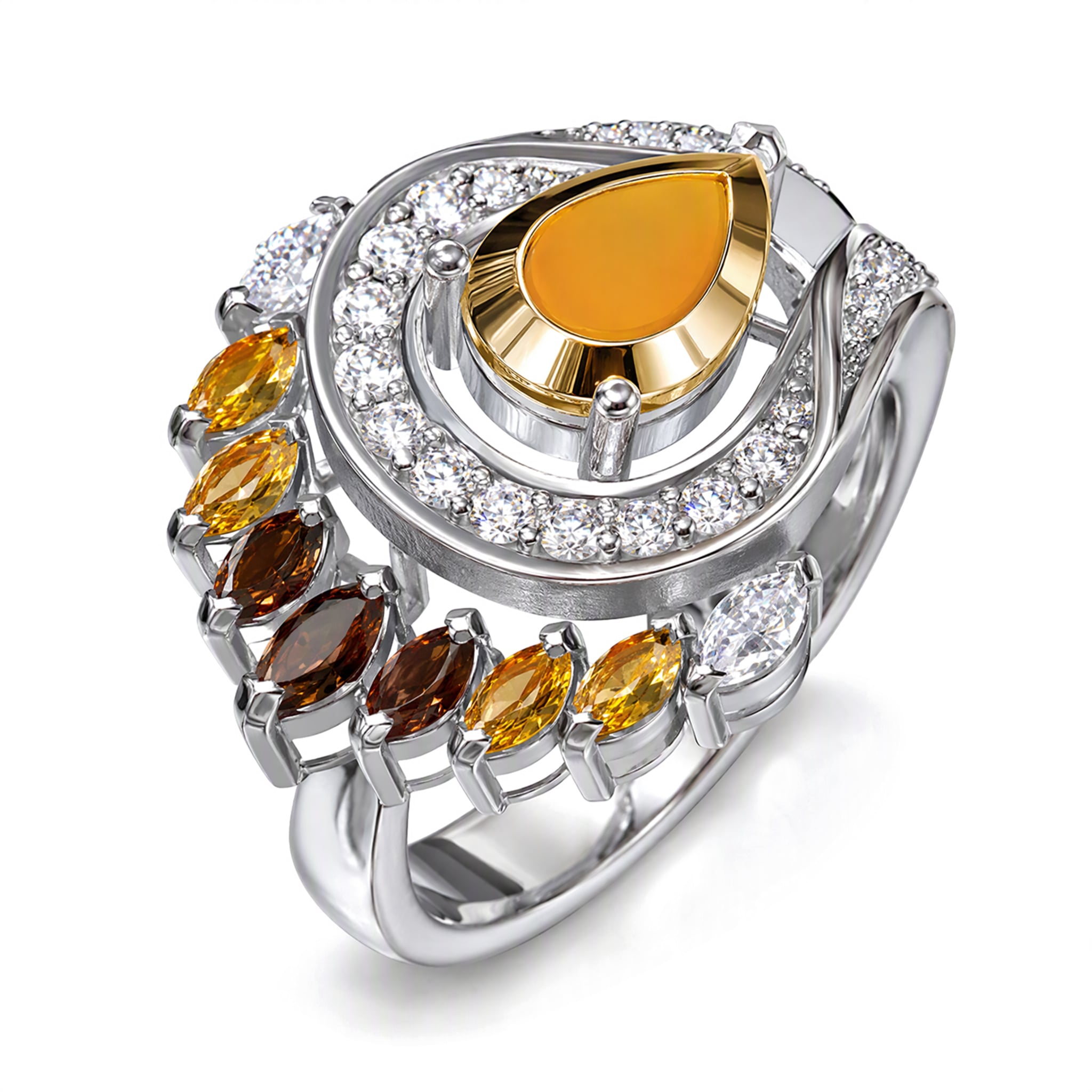
Evaluating the quality of ear pins involves examining several key aspects. First, consider the material used; high-quality ear pins are typically made from durable metals such as stainless steel, gold, or sterling silver. Each material has its own properties affecting strength, corrosion resistance, and hypoallergenic qualities, which are crucial for customer satisfaction. For instance, Custom Rings 925 Silver Sculpted Swirl Oval CZ OEM Band made from high-quality materials are known for their durability and aesthetic appeal.

Next, inspect the craftsmanship. Look for smooth edges and consistent finishes; any sharp edges or inconsistencies can lead to discomfort or injury. It’s also important to consider the gauge (thickness) of the ear pin. A thicker pin might offer better durability, but it may also require larger holes in the earlobe, which might not be suitable for all designs.

Finally, establish a quality control process with your supplier. Request samples before placing large orders to verify that the ear pins meet your specifications and quality standards. This step is essential to ensure product consistency and performance in your final jewelry pieces.

Get a Free Quote

Our representative will contact you soon.
0/1000