Quality Control and Sourcing for 925 Silver Bracelets

application/925-silver-bracelet, application/925-silver-bracelet, 
Inquiry
Inquiry

925 silver bracelet

When searching for high-quality jewelry, a 925 silver bracelet stands out for its durability and aesthetic appeal. As a B2B buyer, you may have various concerns regarding material quality, cost, and supplier reliability. This article will delve into vital aspects of 925 silver bracelets, offering insights on quality control measures, cost evaluation, potential purchasing pitfalls, manufacturing processes, and sourcing OEM/ODM suppliers.

How to Evaluate the Cost of 925 Silver Bracelets for Your Business

How to Evaluate the Cost of 925 Silver Bracelets for Your Business

Determining the cost of 925 silver bracelets involves several factors that you need to evaluate thoroughly:

Material Costs: The price of silver fluctuates in the market, affecting the overall cost of the bracelet. Keep track of silver market prices to make informed purchasing decisions.

Manufacturing Expenses: Consider the costs related to labor and production processes. Advanced techniques and skilled craftsmanship may raise production costs but can also enhance product quality.

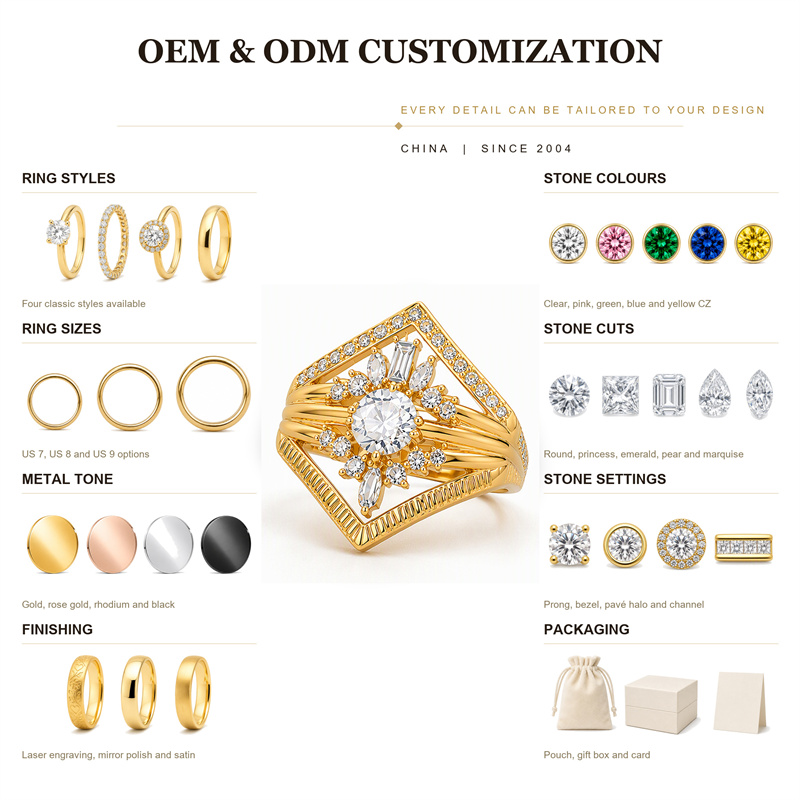
Customization Options: If you require specific designs, sizes, or finishes, customization can add to the overall cost. Evaluate if these options align with your target market. For example, exploring Pendants & Necklaces can provide additional options for your customers.

Order Volume: Bulk orders often come with price breaks. Understanding your Minimum Order Quantity (MOQ) can help you calculate the cost per unit effectively.

Shipping and Handling: Factor in shipping costs, especially if you are importing products. Ensure that the supplier provides transparent shipping fees and lead times.

By comprehensively evaluating these factors, you can arrive at a competitive and reasonable pricing strategy that aligns with your business goals.

Common Problems When Purchasing 925 Silver Bracelets and Solutions

Common Problems When Purchasing 925 Silver Bracelets and Solutions

B2B buyers often face challenges when purchasing 925 silver bracelets. Here are some common issues and their solutions:

Quality Inconsistencies: Variability in quality can arise from different manufacturing batches. Always request samples before placing large orders to verify quality consistency.

Misleading Specifications: Sometimes, product descriptions can be ambiguous. Ensure that you receive detailed specifications, including silver purity, design details, and available finishes.

Delayed Deliveries: Timely delivery is critical for maintaining inventory levels. Establish clear lead times with your supplier and consider penalties for delays to encourage adherence to schedules.

Poor Communication: Language barriers can lead to misunderstandings. Work with suppliers who have experience in international trade and can effectively communicate specifications and requirements.

Limited Customization Capabilities: Some suppliers may not offer the customization you need. Research multiple suppliers to find those with flexible OEM/ODM capabilities that can accommodate your design requirements. This is particularly relevant when considering Bracelets & Bangles.

By anticipating these common pitfalls, you can streamline your purchasing process and enhance your overall experience.

Technical Insights on the Manufacturing Process of 925 Silver Bracelets

Technical Insights on the Manufacturing Process of 925 Silver Bracelets

Understanding the manufacturing process of 925 silver bracelets can provide valuable insights into their quality and reliability. Here’s a breakdown of the typical steps involved:

Material Preparation: The journey begins with sourcing high-quality silver and other alloying metals. The purity of the silver is crucial, as it directly impacts the bracelet's durability and appearance.

Melting and Alloying: The silver is melted in a controlled environment, where the alloying metals are added. This process ensures a consistent mixture that meets the 925 standards.

Casting: The molten metal is poured into molds to shape the bracelets. Depending on the design complexity, this could involve die casting or investment casting techniques.

Finishing: After casting, the bracelets undergo various finishing processes, including polishing, plating, and sometimes engraving. Quality control measures should be in place at this stage to catch any defects.

Quality Inspection and Testing: Finally, each bracelet is subjected to rigorous inspection and testing to ensure it meets both aesthetic and functional requirements before being packaged for shipment.

Being aware of these steps helps you assess the reliability of your suppliers and understand the nuances of product quality.

Where to Find OEM/ODM Suppliers for 925 Silver Bracelet Designs

Finding reliable OEM/ODM suppliers for 925 silver bracelets requires strategic research and evaluation. Here are some effective methods:

Industry Trade Shows: Participating in jewelry trade shows is an excellent way to connect with potential suppliers. These events provide opportunities to see products firsthand and discuss customization options.

Online B2B Marketplaces: Platforms like Alibaba and Global Sources allow you to filter suppliers based on product types, certifications, and customer reviews. Be sure to check supplier ratings and feedback.

Industry Associations: Joining associations related to jewelry manufacturing can provide access to a network of reputable suppliers. These associations often have directories that can guide you to reliable manufacturers.

Local Directories and Networks: Utilize local business directories and chambers of commerce to find manufacturers in your area. This can facilitate easier communication and shipping logistics.

Supplier Audits: Once you identify potential suppliers, conduct audits to assess their manufacturing capabilities, quality control processes, and compliance with international standards.

By leveraging these resources, you can find trustworthy suppliers who meet your design requirements and quality expectations for 925 silver bracelets.

Quality Control Measures for Wholesale 925 Silver Bracelets

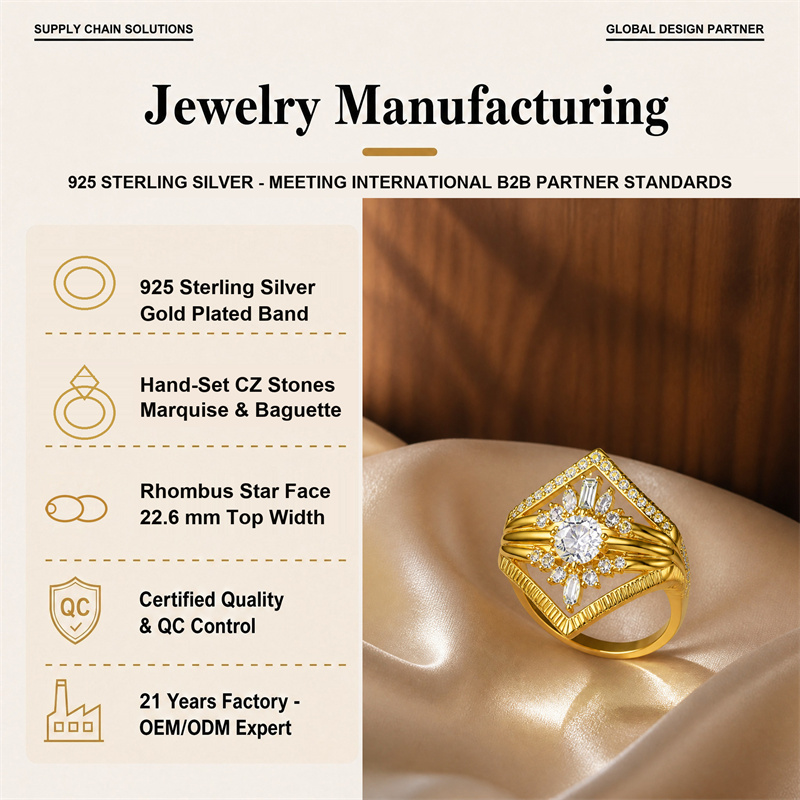
Quality control is crucial when dealing with 925 silver bracelets, especially in a wholesale context. The term "925 silver" indicates that the bracelet is composed of 92.5% silver and 7.5% other metals, typically copper, to enhance durability. Here are key quality control measures to consider:

Material Verification: Ensure that the silver content is accurately tested through methods such as X-ray fluorescence (XRF) analysis. This guarantees that the product meets the 925 standards.

Surface Finish Inspection: Examine the surface for imperfections such as scratches or tarnishing. A high-quality bracelet should have a polished finish free of blemishes.

Dimensional Accuracy: Verify that the dimensions of the bracelet conform to the specified measurements. This is particularly important for ensuring proper fit and comfort.

Functionality Tests: If the bracelet features clasps or other functional components, they should be tested for usability and strength.

Compliance Checks: Ensure that the products adhere to relevant regulations and standards, especially regarding materials and safety.

These measures not only ensure product quality but also build trust with your clients, leading to repeat business.

Get a Free Quote

Our representative will contact you soon.
0/1000

Related product categories