How to Choose the Right Bespoke Jewelry Supplier

application/bespoke-jewelry, application/bespoke-jewelry, 
Inquiry
Inquiry

Bespoke jewelry

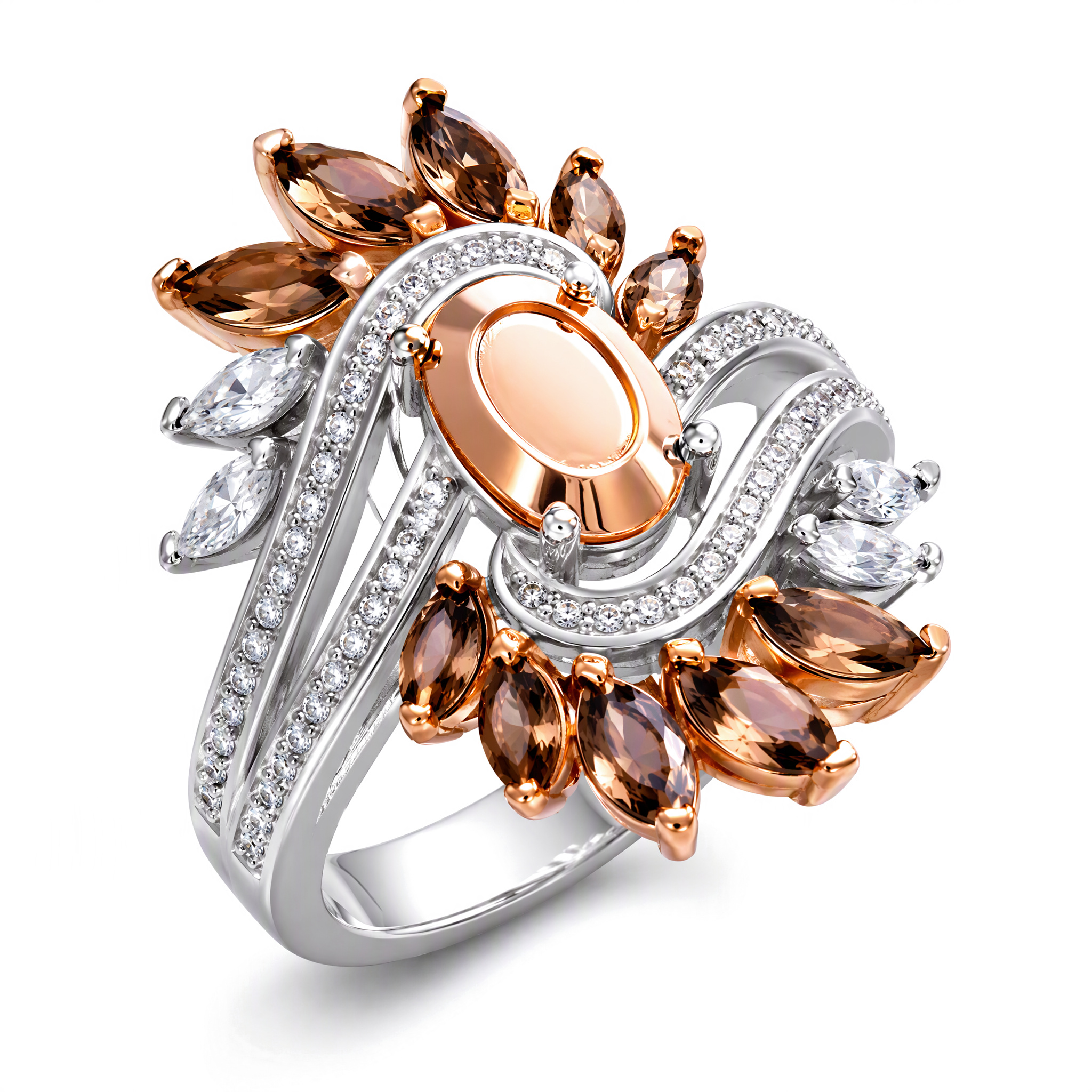
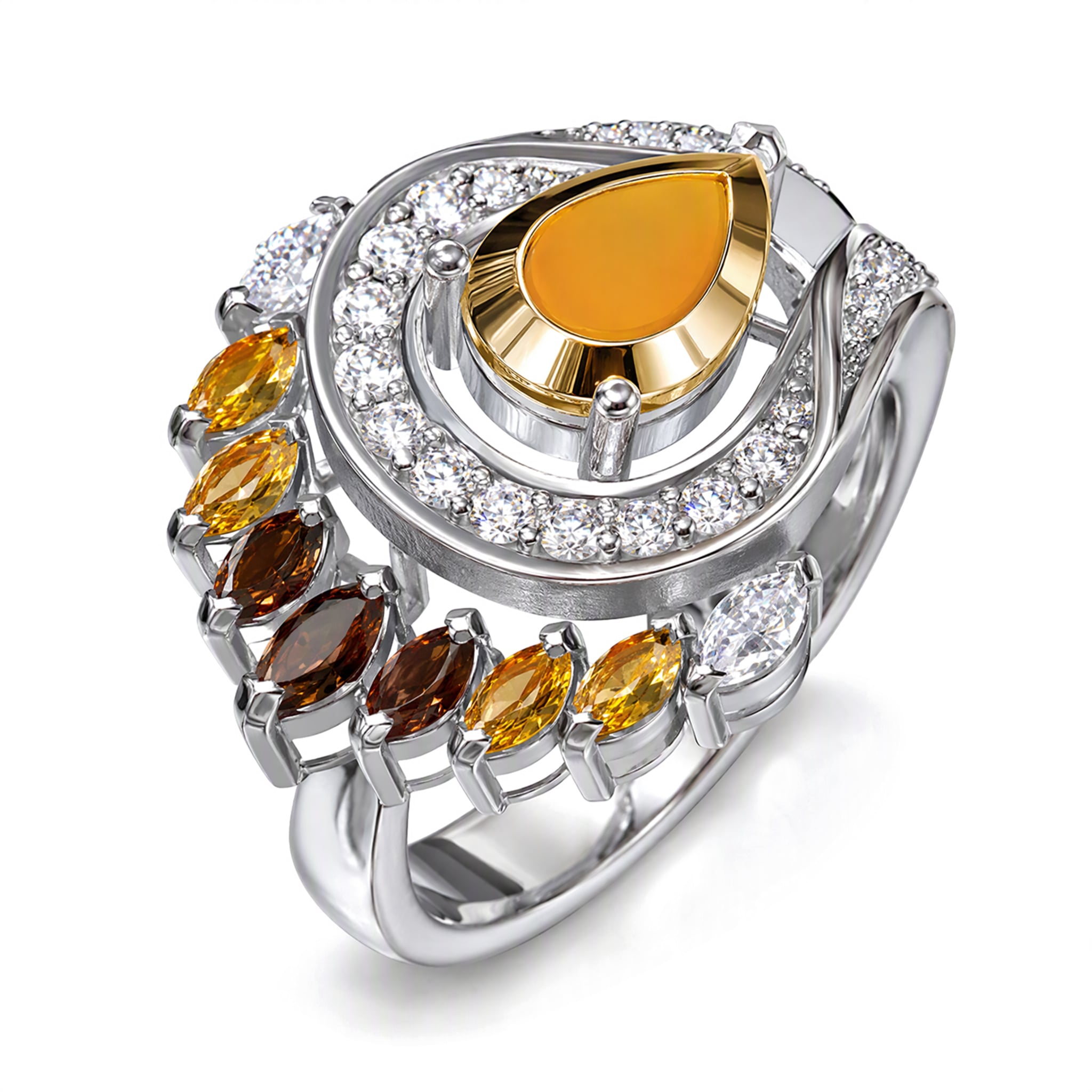
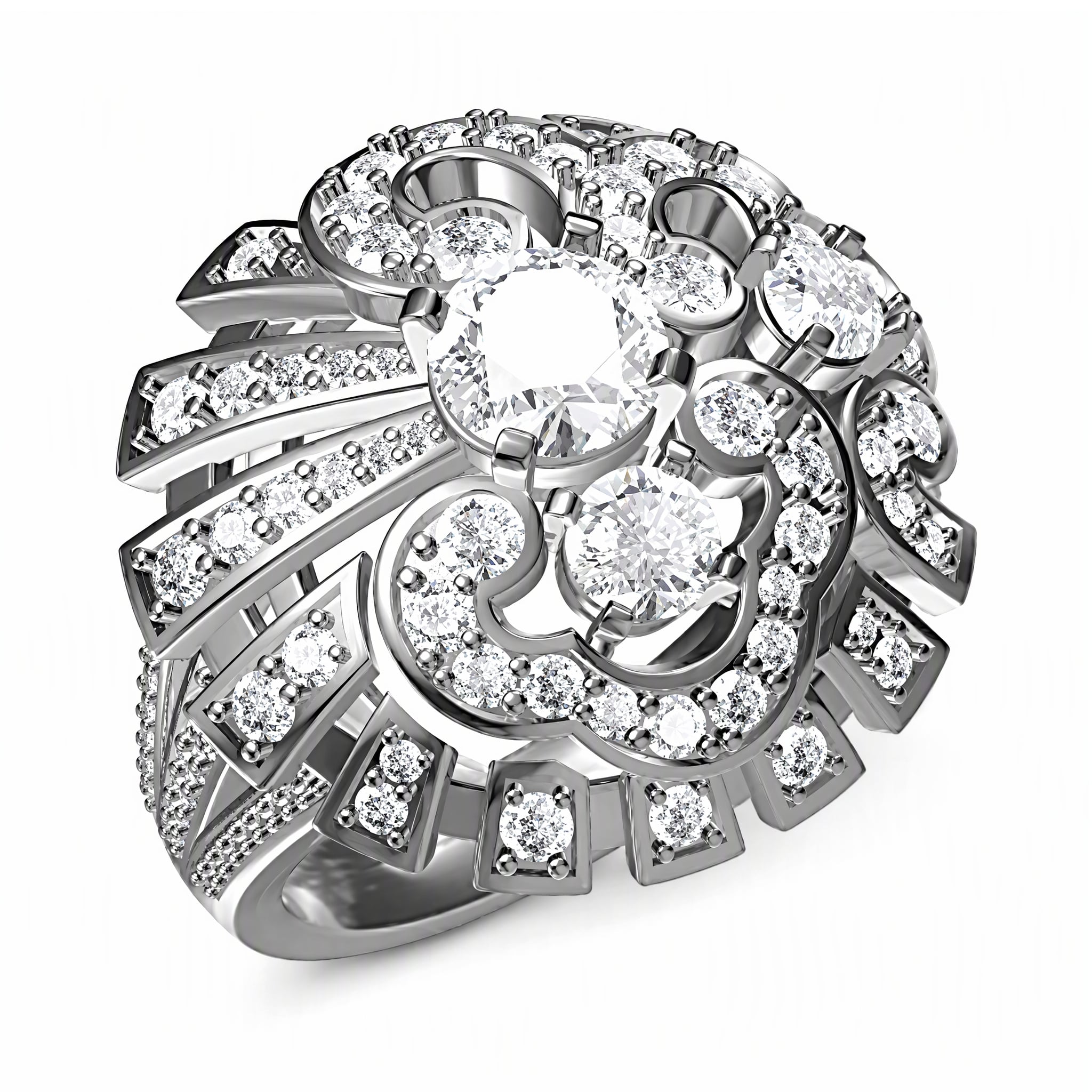
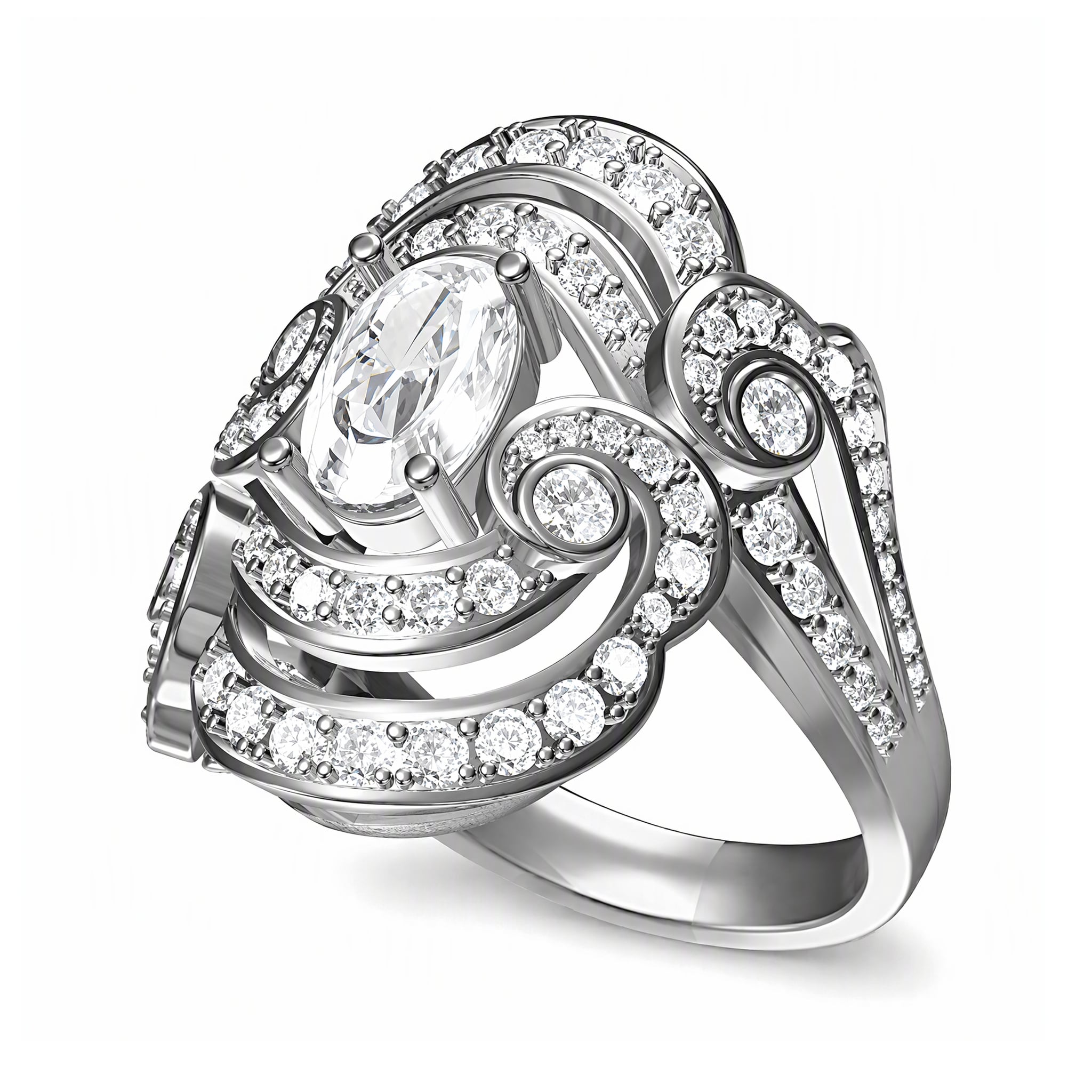
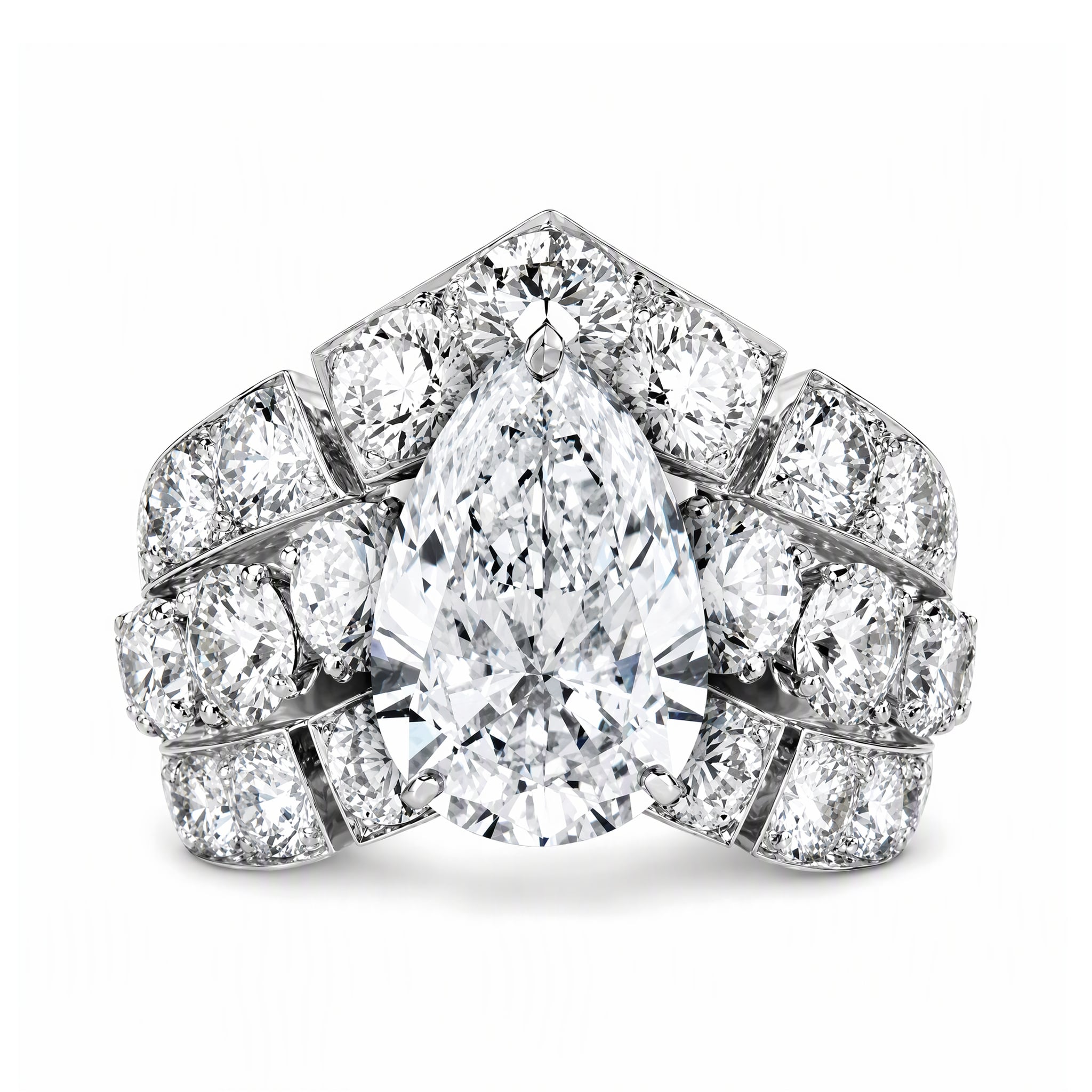
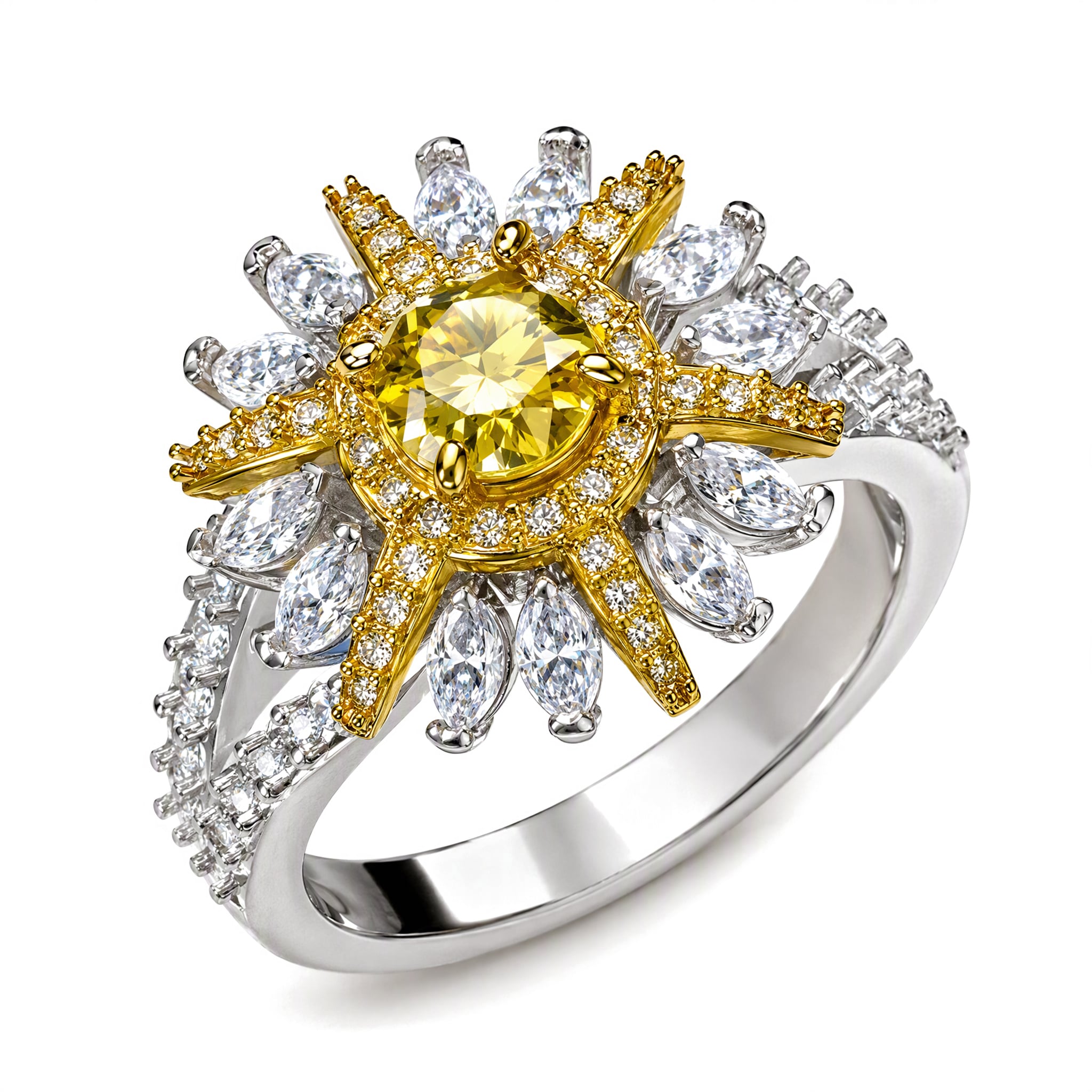
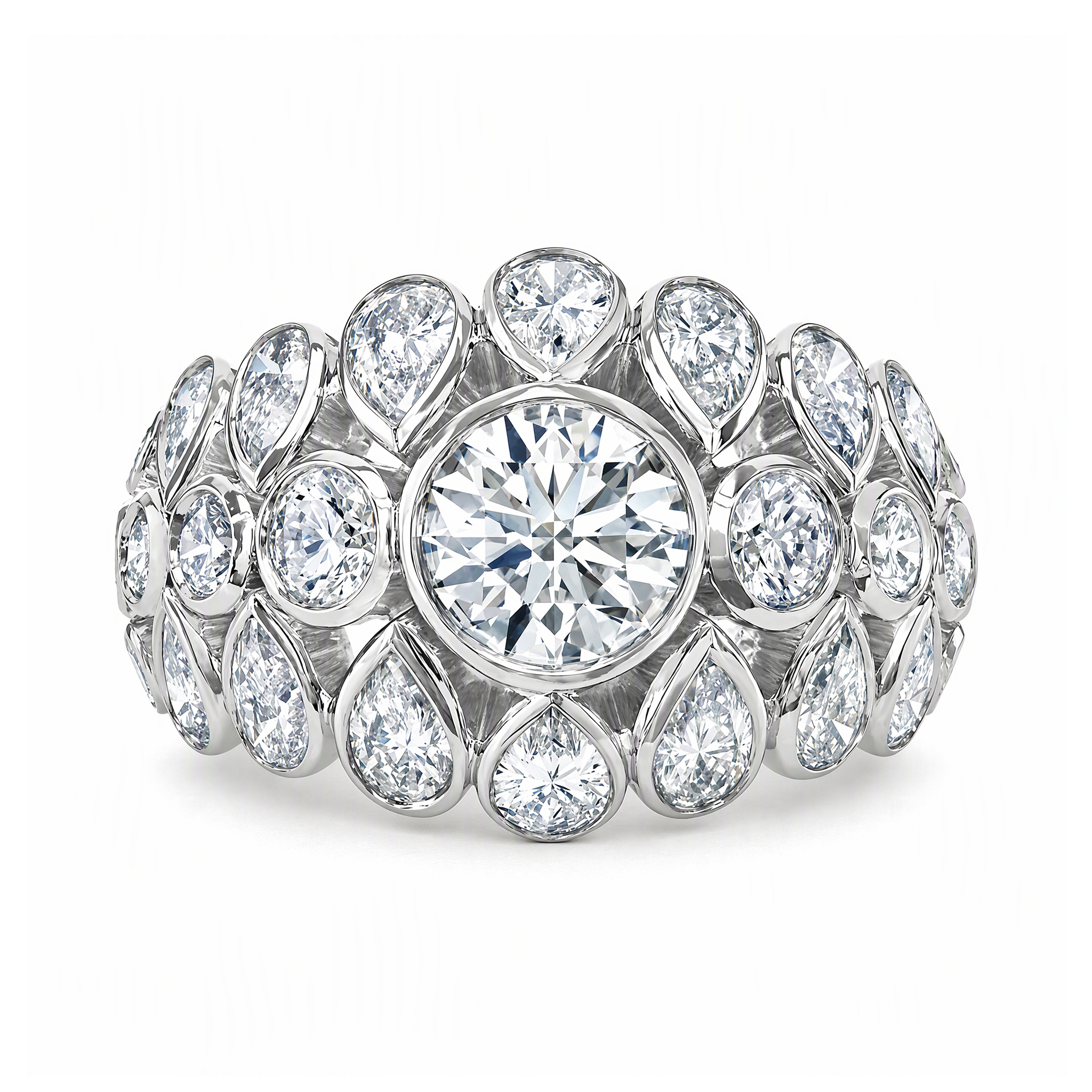
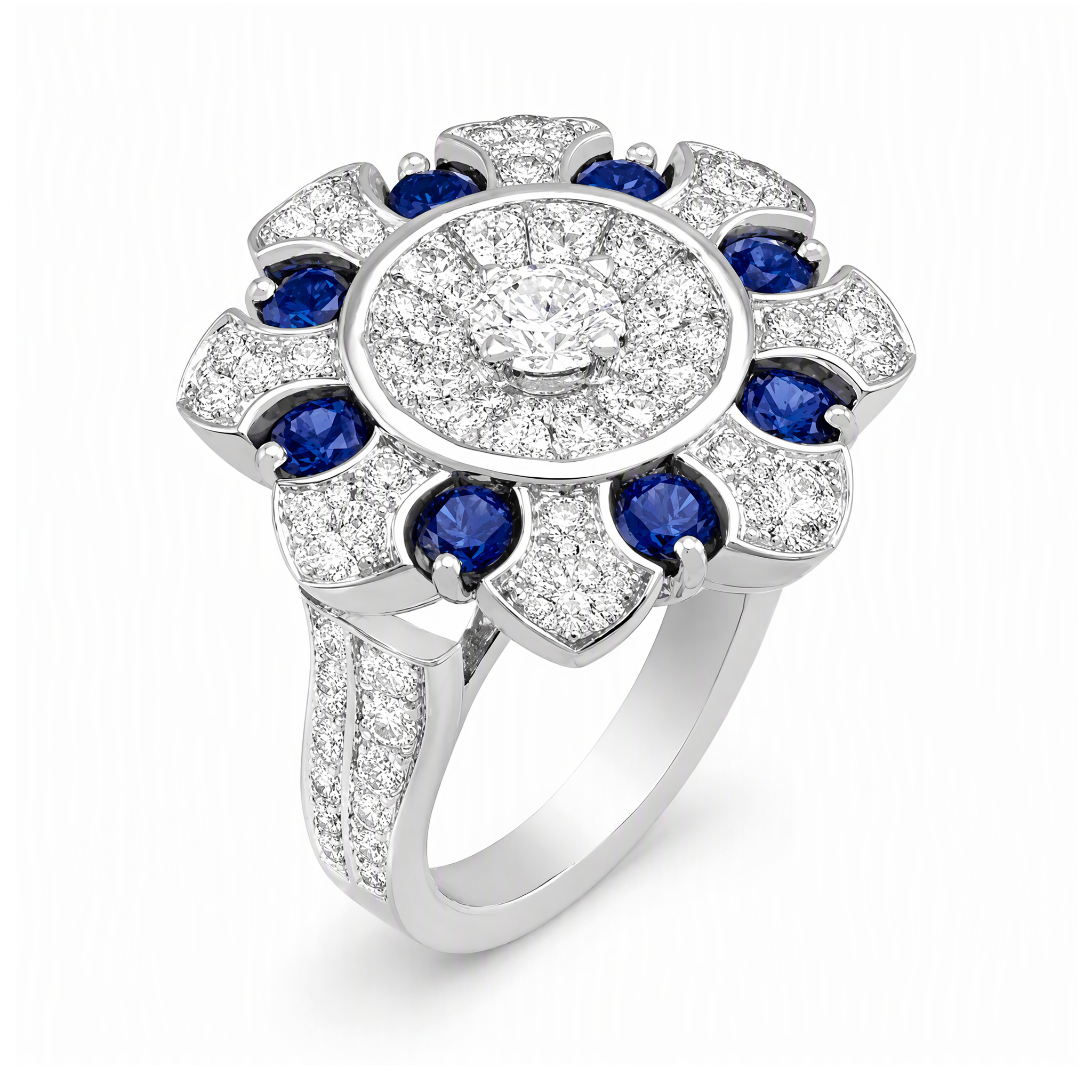
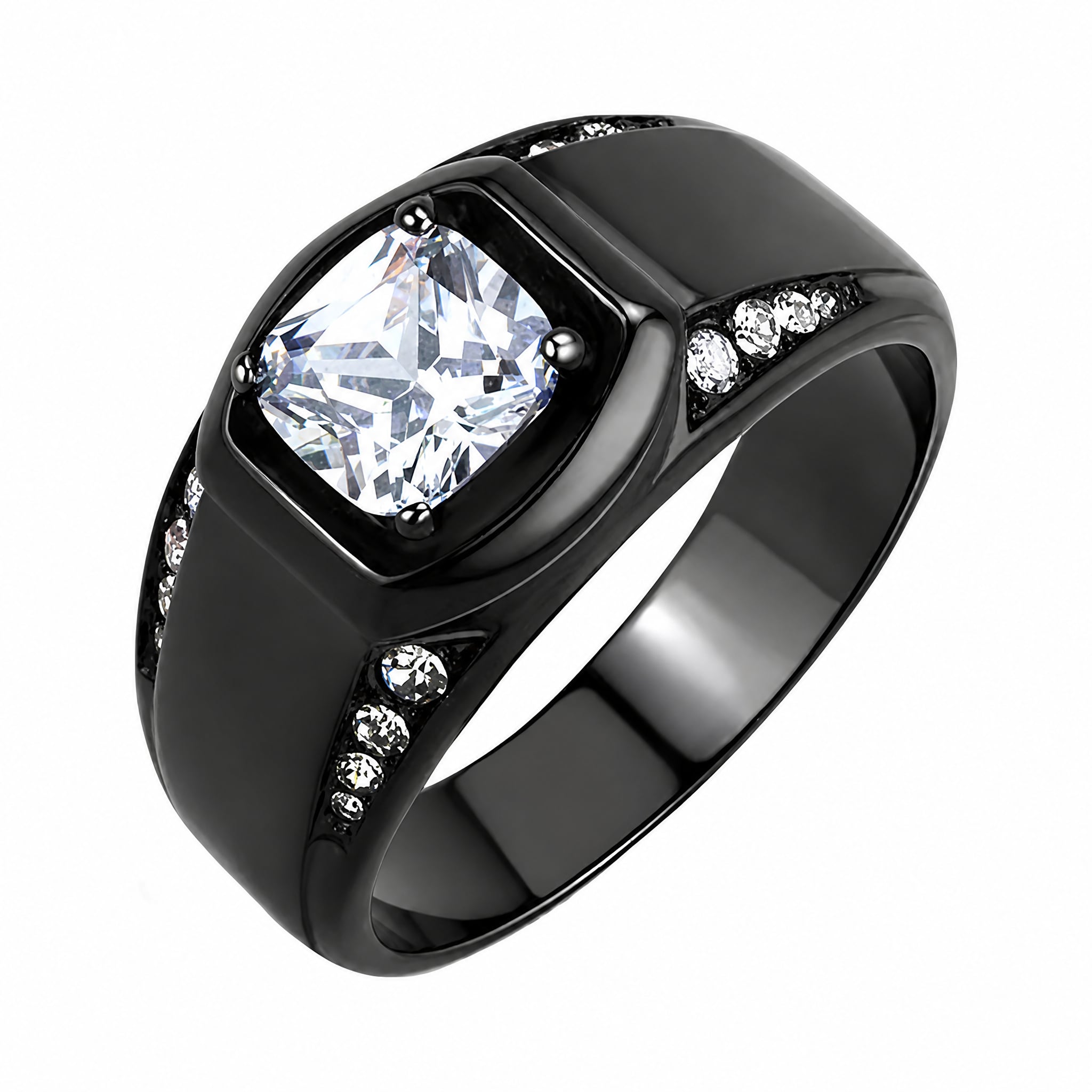
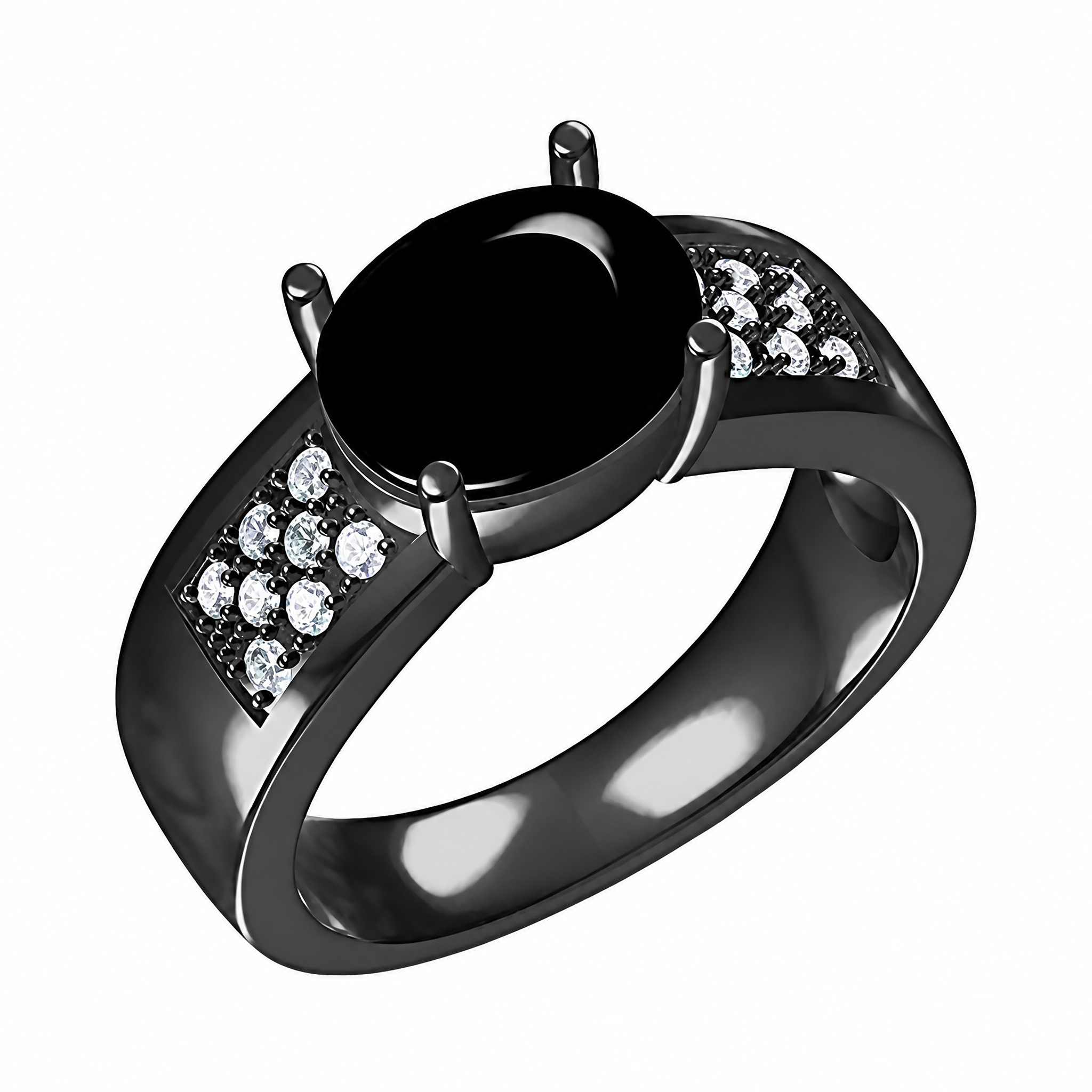
Bespoke jewelry refers to custom-made pieces that are designed to meet the specific preferences and requirements of individual clients. For B2B buyers, including purchasing managers and product managers, the primary concerns often revolve around quality, customization capabilities, and timely delivery. This Pendants & Necklaces article will guide you through essential considerations when selecting a bespoke jewelry supplier, including specifications, cost factors, sourcing options, and material advantages.

Understanding the key specifications of bespoke jewelry

Understanding the key specifications of bespoke jewelry is crucial for making informed purchasing decisions. Important factors to consider include material type, dimensions, and design features. 

Material Type: The choice of metal—such as gold, silver, or platinum—affects both the aesthetic and functional properties of the jewelry. Each material has different durability, weight, and cost implications. For example, gold offers a luxurious appearance but can be more expensive compared to silver. 

Dimensions and Weight: Precise measurements are essential for ensuring the comfort and wearability of the jewelry. Buyers should provide detailed specifications about size and weight to avoid issues with fit after production. 

Design Features: Custom designs may include unique engravings, settings, or inlays. Ensure that the supplier can accommodate intricate designs and confirm their ability to deliver on such specifications without compromising quality. 

When sourcing bespoke jewelry in bulk

When sourcing bespoke jewelry in bulk, several cost factors come into play. First, Earrings consider the unit price, which can vary significantly based on material choice and design complexity. Higher-quality materials and intricate designs generally lead to higher costs. 

Second, evaluate the minimum order quantity (MOQ). Suppliers often have an MOQ that can affect your overall budget. Understanding this upfront ensures you can meet order requirements without overextending your budget. 

Additionally, factor in shipping and handling costs. These can vary based on the supplier's location and your delivery requirements. It is also wise to inquire about bulk discount opportunities, which can provide significant savings. 

Finally, consider potential hidden costs, such as customs duties or taxes for international shipments. A thorough understanding of all these factors will help you develop a realistic budget for your bespoke jewelry procurement. 

Finding reliable wholesale suppliers for bespoke jewelry

Finding reliable wholesale suppliers for bespoke jewelry can be achieved through various channels. Industry trade shows and exhibitions are excellent venues to meet potential suppliers and see their products first-hand.  Engaging with suppliers in person allows for direct discussions about capabilities and customization options. 

Online platforms and B2B marketplaces are also valuable resources. Websites dedicated to wholesale sourcing often feature supplier ratings and reviews, allowing you to gauge reliability and service quality before making contact. 

Networking within industry-specific forums or groups can yield recommendations for reputable suppliers.  Connecting with peers in the jewelry industry can provide insights into their experiences and trusted sources. 

Lastly, consider reaching out to local manufacturers. They may offer competitive pricing and shorter lead times, especially for smaller orders. 

The choice of materials in bespoke jewelry

The choice of materials in bespoke jewelry significantly influences both aesthetics and durability. Each metal offers unique advantages that should be matched with the intended use of the jewelry. 

Gold: Known for its luxurious appeal, gold is highly malleable, making it ideal for intricate designs. It is also resistant to tarnishing, which enhances longevity. However, gold is one of the more expensive options, so it's important to balance quality with budget. 

Silver: A popular choice for more affordable custom pieces, silver provides a bright finish and can be easily crafted into various designs. However, it is more prone to tarnishing and may require regular upkeep. 

Platinum: This metal offers superior durability and a distinctive luster. Platinum jewelry is hypoallergenic and ideal for those with sensitive skin. Its density makes it heavier than gold or silver, which may be a consideration for wearability. 

Alternative Alloys: Many manufacturers offer custom alloys that blend various metals to achieve desired properties, such as increased strength or enhanced color. Discussing these options with your supplier can lead to innovative designs that meet specific performance requirements. 

Choosing the right material not only affects the visual appeal but also the functional performance of the jewelry, making it a crucial consideration in the design process. 

Selecting a bespoke jewelry supplier requires

Selecting a bespoke jewelry supplier requires careful evaluation to ensure alignment with your business needs.  Start by assessing the supplier's manufacturing capabilities. Look for companies with advanced facilities and skilled craftsmanship, as these factors significantly affect product quality. Inquire about their experience in working with international brands, which often indicates a familiarity with diverse market demands and customization options. Online platforms and B2B marketplaces are also valuable resources. Websites dedicated to wholesale sourcing often feature supplier ratings and reviews, allowing you to gauge reliability and service quality before making contact. 

Networking within industry-specific forums or groups can yield recommendations for reputable suppliers.  Connecting with peers in the jewelry industry can provide insights into their experiences and trusted sources. 

Lastly, consider reaching out to local manufacturers. They may offer competitive pricing and shorter lead times, especially for smaller orders. 

Next, evaluate their customization capabilities. A good supplier should be open to adapting designs based on your specifications, whether it’s specific materials, finishes, or styles. It's Bracelets & Bangles also critical to consider their lead times and flexibility in order quantities. Suppliers who can offer timely delivery and accommodate both small and large orders are often more reliable partners. 

Finally, check references and reviews from other clients. Past customer experiences can provide insight into the supplier's reliability, communication, and overall service quality. 

Get a Free Quote

Our representative will contact you soon.
0/1000